Junmin Wang Receives Two ASME Awards for Research and Mentorship
Mechanical engineering professor honored for advances in vehicle control and for sustained mentorship of the next generation of transportation leaders.
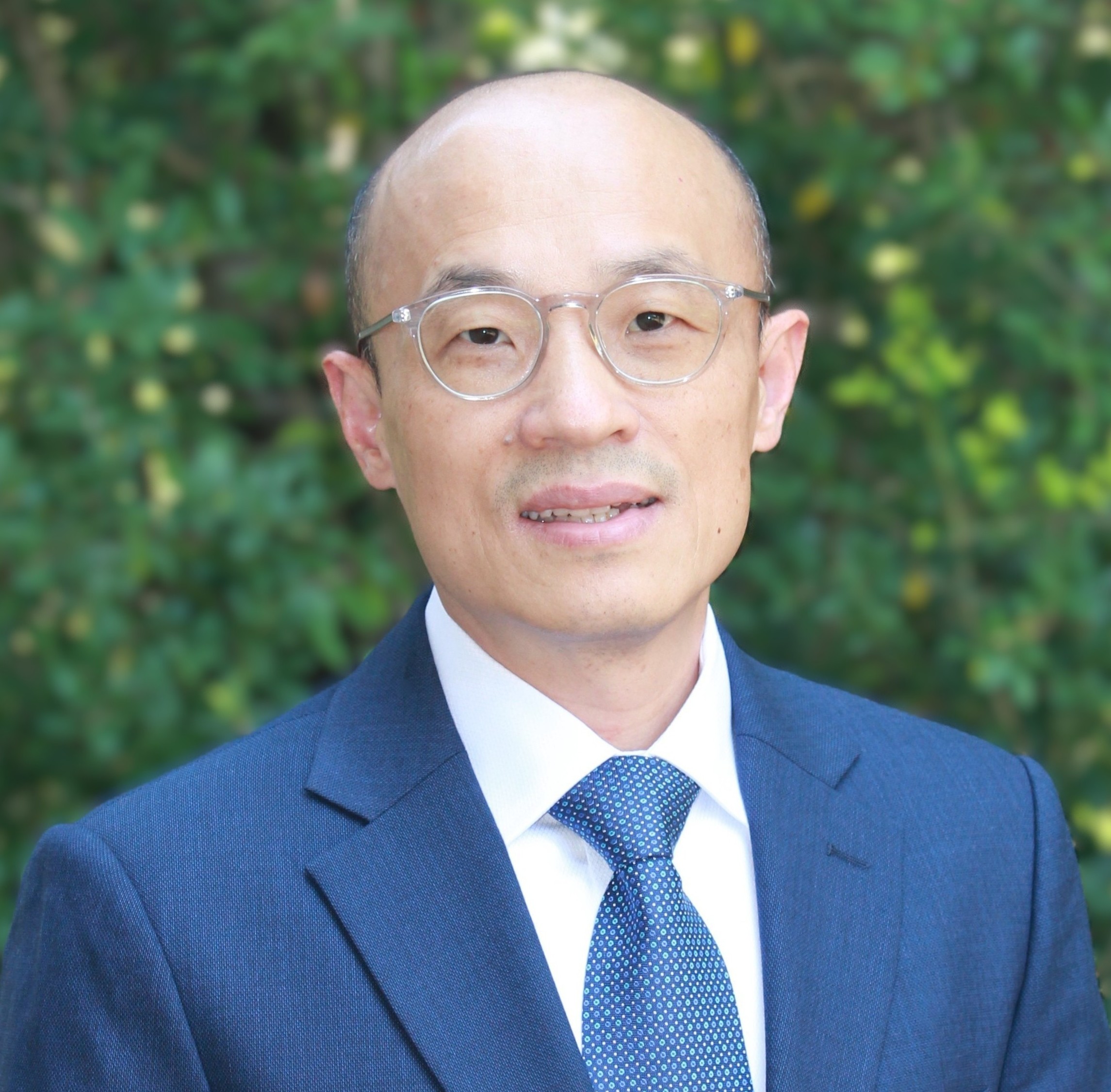
Junmin Wang, Fletcher Stuckey Pratt Chair in Engineering and professor in the Walker Department of Mechanical Engineering at The University of Texas at Austin, has received two 2026 awards from the American Society of Mechanical Engineers (ASME), recognizing both his research contributions to vehicle control and his sustained commitment to mentoring students and early-career professionals.
Wang has been selected to receive the 2026 ASME Henry M. Paynter Outstanding Investigator Award, presented by ASME’s Dynamic Systems and Control Division (DSCD), and the 2026 ASME Transportation Systems Division (TSD) Outstanding Mentor Award. The two honors recognize complementary aspects of Wang’s work: advancing the science and technology of control systems for ground vehicles and developing the next generation of engineers and researchers in transportation systems.
The Henry M. Paynter Outstanding Investigator Award is presented biennially by ASME’s Dynamic Systems and Control Division to a DSCD member who has demonstrated sustained outstanding research contributions, either basic or applied, as a mechanical engineering professional in fields of interest to the division.
Wang’s 2026 award citation recognizes him “for contributions to control systems that improve driving safety and energy efficiency of electrified ground vehicles.” His research has focused on developing advanced control, automation, and AI/learning-based technologies for ground vehicles, with the goal of improving vehicle safety, efficiency, performance, human trust, and sustainability.
Wang is also the inaugural recipient of the ASME Transportation Systems Division Outstanding Mentor Award, established to recognize exceptional mentorship and sustained contributions to the professional development of students, early-career researchers, and professionals in transportation systems.
His award citation recognizes him “for exceptional and sustained mentorship and workforce development in ground transportation systems, fostering the next generation of leaders whose contributions advance the safety, efficiency, sustainability, and automation of ground vehicles and transportation systems.”
Mentorship has been a central part of Wang’s career. At UT Austin, he leads research and educational activities in mobility and transportation systems, providing students with opportunities to work on challenging problems spanning vehicle control, electrification, automation, and intelligent transportation. His mentoring and workforce-development efforts have extended beyond traditional research supervision to include hands-on engineering experiences through student competition programs and multidisciplinary research projects.
The two ASME awards together reflect Wang’s dual impact on the field—through both technical innovation and people development. His research addresses fundamental and practical challenges in the control of ground vehicles, while his mentoring helps prepare students and early-career engineers to lead the continued transformation of transportation systems.
“I am deeply honored to receive these two ASME awards,” Wang said. “The Paynter Award recognizes the importance of sustained research contributions to advancing dynamic systems and control, while the Outstanding Mentor Award is especially meaningful because it recognizes the efforts for mentoring students and young professionals who will shape the future of transportation systems. I am grateful to ASME and to all of my students, collaborators, and colleagues who have been part of this journey.”
The recognitions add to Wang’s record of professional honors in mechanical engineering, control, and transportation systems. He is a Fellow of IEEE, ASME, and SAE, and has received numerous distinctions for his contributions to vehicle systems and control.
Together, the 2026 ASME honors underscore Wang’s broad impact on transportation engineering—from developing control technologies that make ground vehicles safer and more efficient to cultivating the people and talent needed to advance the field for years to come.