2020 Academy of Distinguished Alumni Announced
The Walker Department of Mechanical Engineering has announced the 2020 honorees of its Academy of Distinguished Alumni.
As a way of recognizing the accomplishments and careers of our outstanding alumni, the Walker Department of Mechanical Engineering established the Academy of Distinguished Alumni in 2004. The Academy’s purpose is to recognize high-achieving mechanical engineers from among the UT Austin community and from the engineering community at large, to champion the mechanical engineering profession and to build a strong community and facilitate interactions among our students, faculty, alumni and corporate partners.
This year’s honorees include:
Scott Arnold
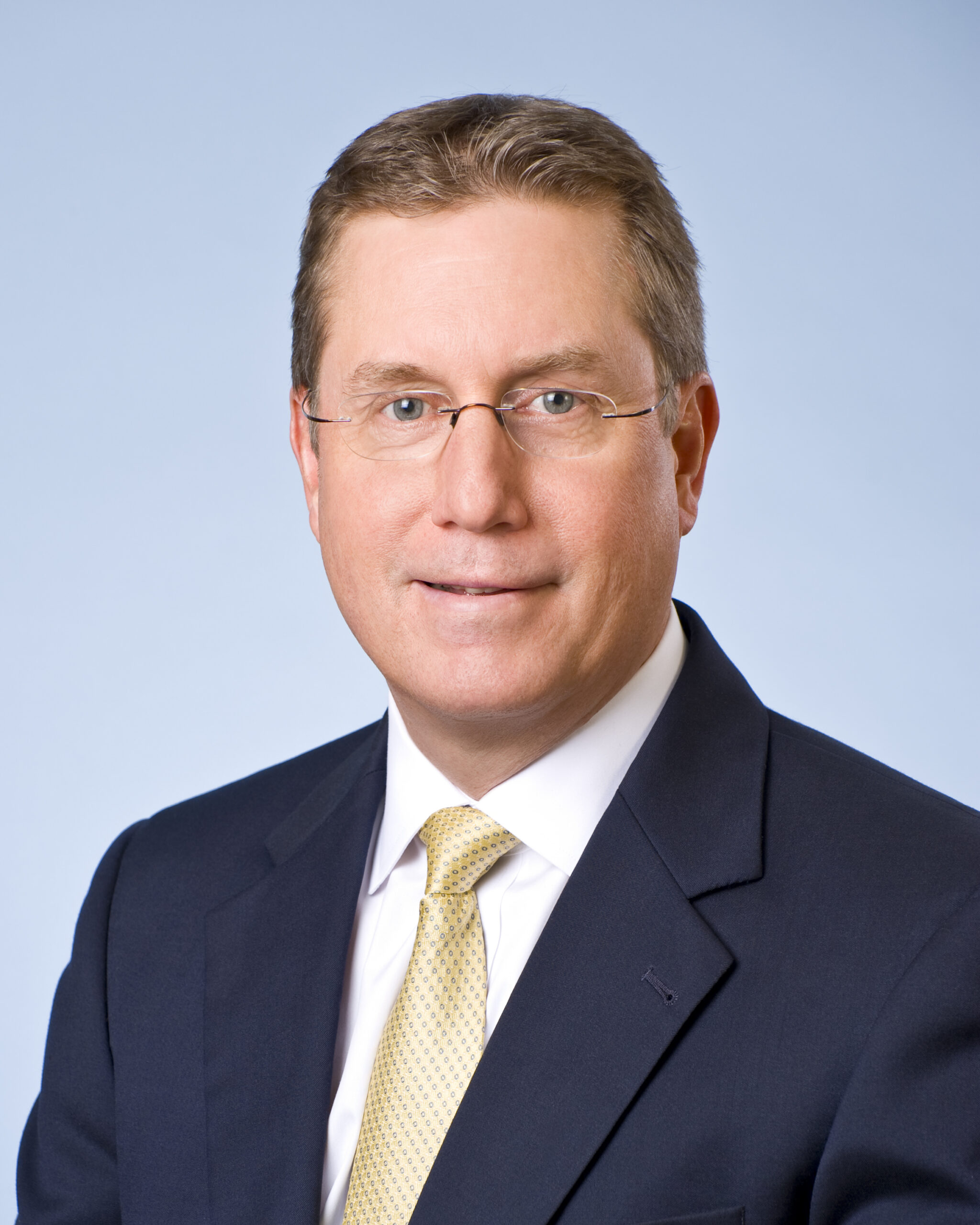
Distinguished Mechanical Engineer, 2020
BSME, Texas Tech University, 1982
MSME, The University of Texas at Austin, 1984
Scott Arnold was born in Anaheim, CA in 1960. He moved to Texas in his youth and graduated from W. T. White High School in Dallas, TX. His father and grandfather were both engineers, so it was not surprising that after high school, Scott decided to enroll in the mechanical engineering department at Texas Tech University. After receiving his BSME from TTU in 1982, he enrolled in The mechanical engineering graduate program at the University of Texas, where he focused his studies on thermodynamics and fluid sciences. He received his MSME from UT in the spring of 1984 and immediately started his professional career at LTV Aerospace, which would later become part of Lockheed Martin, where he has worked for over 35 years.
Scott’s early career was focused on analytical work in the thermal sciences, solving complex aerospace problems. He helped design a two-phase helium cryogenic cooling system for an infrared seeker on the US Air Force Anti-Satellite (ASAT) missile, which successfully intercepted a satellite target in 1985. During the 1980s he was a member of the American Institute of Aeronautics and Astronautics (AIAA) Thermophysics Technical Committee, helping advance the state-of-the-art in his field of expertise. He also made critical technical contributions to the US Space Station Heat Rejection System (HRS) radiators and the US Space Shuttle Thermal Protection System (TPS) in his work at Lockheed Martin.
Scott transitioned into leadership at Lockheed Martin in the 1990s, taking on roles with increasing responsibility in technical management, program management, and quality management. He served as vice president of the Precision Fires line of business, leading several of Lockheed Martin’s precision-guided missile programs, including the US Army Tactical Missile System (ATACMS) and Guided Multiple Launch Rocket System (GMLRS).
In 2013, Scott moved into the Integrated Air and Missile Defense (IAMD) line of business and is currently leading the organization as the vice president of IAMD for Lockheed Martin. For this line of business, he leads a team of more than 3,000 employees globally and is responsible for delivering defense systems to the U.S. Army and the Missile Defense Agenda (MDA), as well as 13 international customers in the Middle East, Europe and Asia.
Scott received the Honorable Order of Saint Barbara Award through the U.S. Field Artillery Association (USFAA) and the Air Defense Artillery Association (ADAA) for his work with those organizations over the span of his career. Scott currently serves as an Executive Board Member for the Lockheed Martin – UT Strategic Partnership Program and encourages young engineers to pursue a career path in the aerospace industry.
Scott met his wife Kathy while they were both at UT, where she received a BA degree in Italian. They have three wonderful children, Kristen (UT ’15, BA Plan II, UTHealth ’19, MD), Stephanie (U of SC ’18, BS Env Sci, UT ’20, MS Env Sci), and Brian (U of Washington ’21, BSEE).
Robert Bass
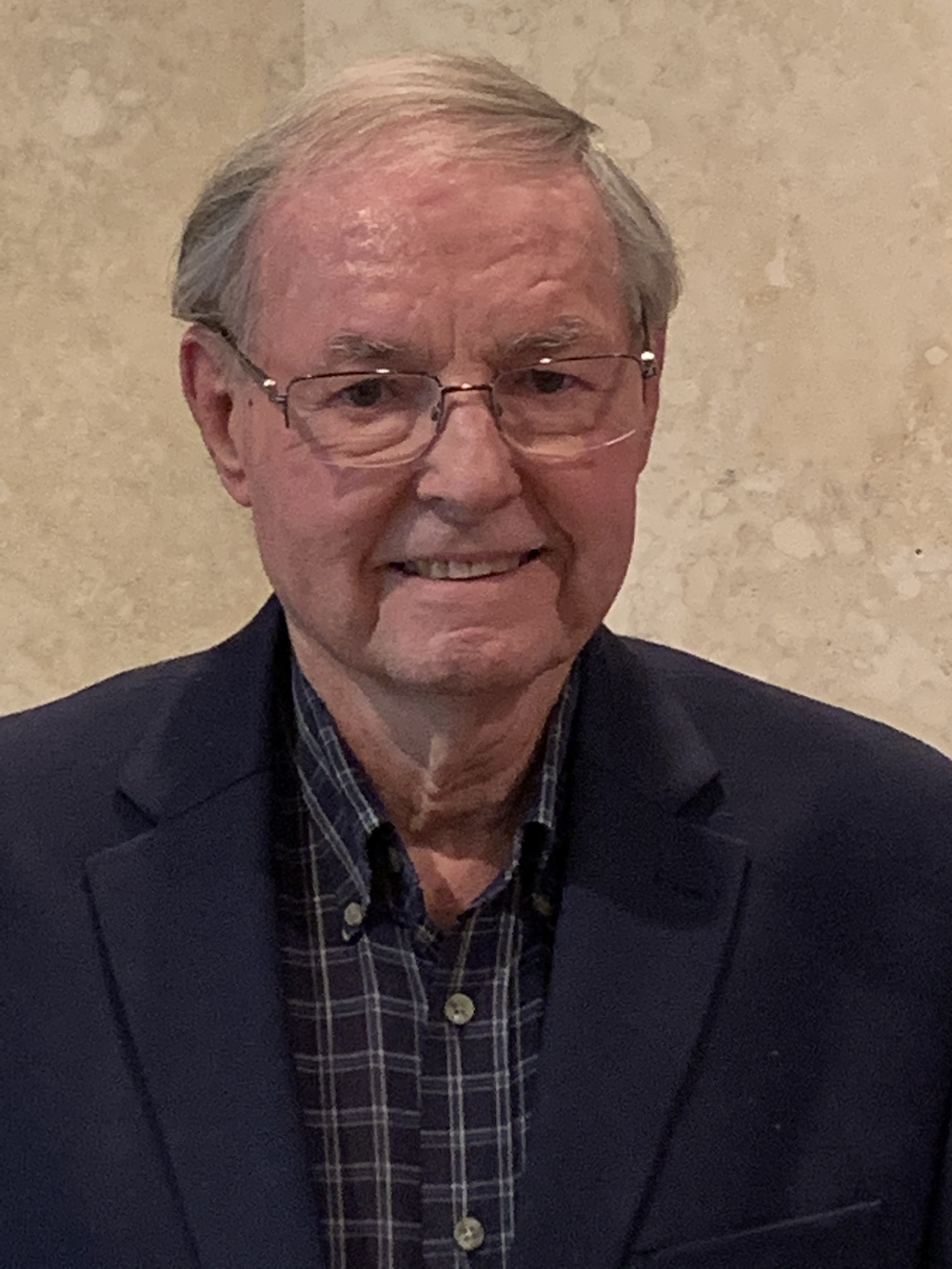
Mechanical Engineering Hall of Fame, 2020
BSME, The University of Texas at Austin, 1964
MSME, The University of Texas at Austin, 1966
PhD, The University of Texas at Austin, 1968
Dr. Robert Bass was responsible for the managerial and technical direction of the Mechanical and Materials Engineering Division at Southwest Research Institute. The Division’s activities covered engineering dynamics, materials engineering, structural and mechanical engineering, fluids engineering, and nondestructive evaluation and testing. Dr. Bass was involved in leading the strategic planning for the Division’s future, and was directly accountable for the Division’s financial performance.
Dr. Bass’ career covered over 40 years of experience in the conduct and management of fundamental and applied research programs. At SwRI, he conducted experimental programs using scale models to establish hydrodynamic and aerodynamic flow characteristics, and loads for both internal and external flows for a wide variety of applications. This work was conducted for the marine, petroleum, aerospace, and nuclear industries, and for associated government agencies. Dr. Bass conducted studies associated with the ventilation, inerting, and liquid cargo-induced dynamic loads on large ship tanks; the venting and dispersion of heavier-than-air hydrocarbon vapors emitted from ship tanks, storage tanks, and ruptured LPG transmission lines; flow-induced vibrations on flexible ducted flow components; and dynamic loads on lifting surfaces experiencing highly separated flows. Dr. Bass was also instrumental in developing requirements for safety and pollution prevention equipment, and for improved fluids separation equipment used in offshore oil and gas operations. Dr. Bass has expertise in flow measurement techniques, and directed several programs, which resulted in the development of flow instrumentation for a wide range of applications. Dr. Bass was also actively involved in the development and operation of an international Gas Flow Metering Facility located at Southwest Research Institute. Dr. Bass has over 40 publications and presentations, and has authored over 50 research reports covering his areas of expertise.
Dr. Bass was previously involved as an officer or member on numerous ASME and API committees, including the ASME Board on Accreditation, Registration and Certification, ASME Safety and Pollution Prevention Equipment Committee(s), the API Committee on Gas Measurement, and various subcommittees of the API Offshore Safety and Anti-Pollution Equipment Committee. Dr. Bass has also served on numerous advisory committees to universities, governmental agencies and industrial organizations; including serving as Chairman of the industry advisory committees to The University of Texas, Department of Aerospace Engineering and Engineering Mechanics, and the Fluid Dynamics Group of the College of Engineering.
PROFESSIONAL CHRONOLOGY: Mobil Oil Company: production engineering assistant, 1963; The University of Texas, Department of Mechanical Engineering: teaching assistant and research assistant, 1964-68; E.I. DuPont, Richmond, Virginia: research engineer, 1968-70; Southwest Research Institute: senior research engineer, 1970-73; manager, 1973-81; director, 1981-89; vice president, 1989-2008.
MEMBERSHIPS: American Society of Mechanical Engineers (Fellow), American Association for the Advancement of Science, Phi Kappa Phi, Sigma Gamma Tau.
Matthew Chasen

Distinguished Mechanical Engineer, 2020
BSME, The University of Texas at Austin, 1998
MBA, The University of Texas at Austin, 2004
Matt Chasen is a serial entrepreneur, investor and adventure sports enthusiast. Matt is founder and CEO of LIFT Aircraft, which is launching the world’s first experiential entertainment business based on an entirely new type of personal, electric aircraft. While getting his MBA at The University of Texas in 2003, Matt founded uShip – the first and largest online marketplace for shipping with over $200M in annual gross sales. Matt served as uShip’s CEO until 2016 and received a Best CEO award by the Austin Business Journal (2012). He has also earned Austin Under 40 and Texas “Rising Star” honors (2011) and was an E&Y Entrepreneur of the Year finalist (2010). Prior to business school, Matt was an engineer at Boeing in Seattle, where he worked on the F-22 Fighter, Airborne Laser and other advanced aerospace projects. Prior to Boeing, Matt studied mechanical and aerospace engineering at UT and was a NASA scholarship recipient. Matt is a pilot, an avid sailor and scuba diver, and has completed the Texas Water Safari – known as the “World’s Toughest Canoe Race”. Matt lives in Austin with his wife and two children.
Amanda Dodd
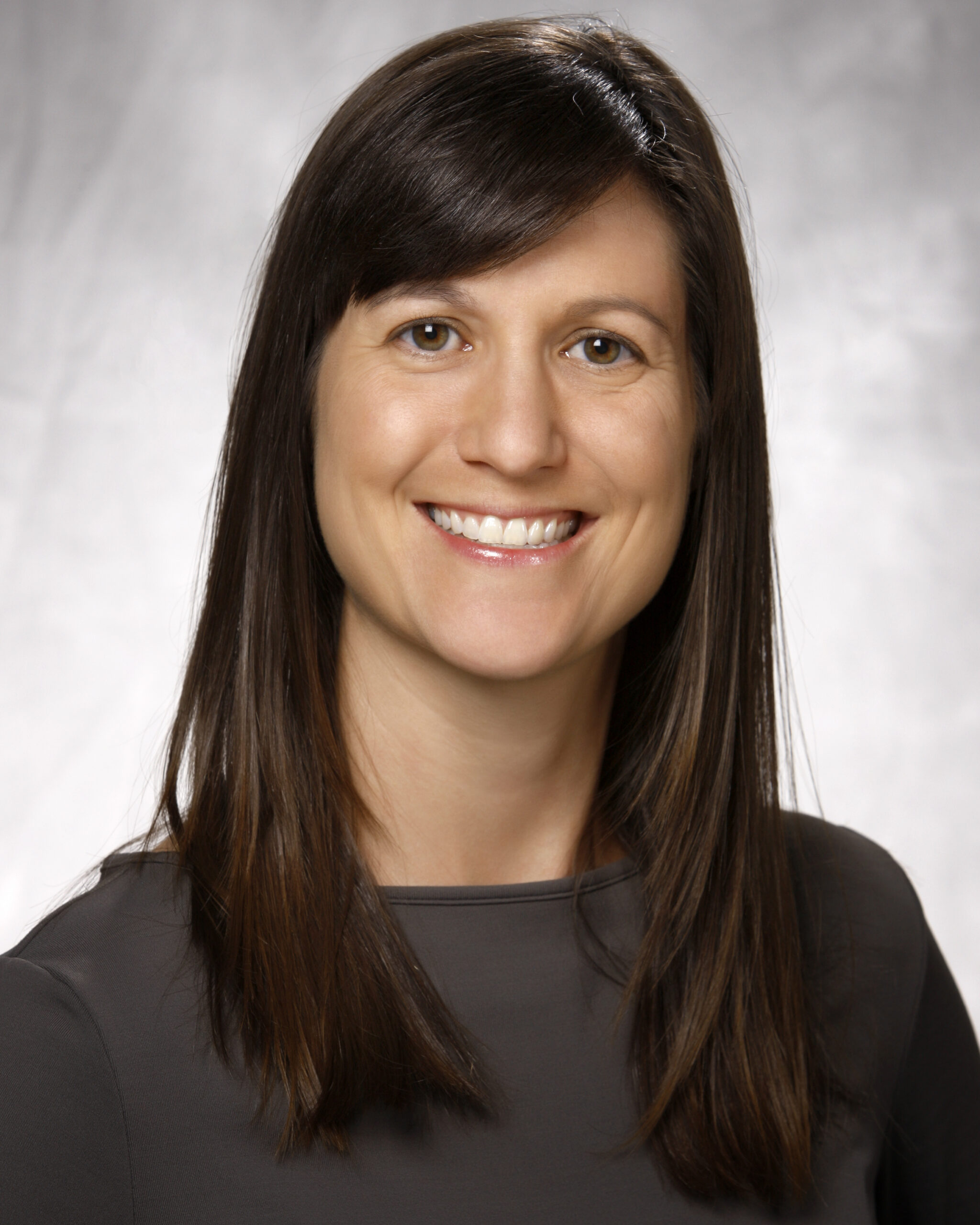
Distinguished Mechanical Engineer, 2020
BSME, The University of Texas at Austin, 2001
MSME, The University of Texas at Austin, 2003
PhD, The University of California, Berkeley, 2009
Dr. Amanda Dodd is currently employed by Sandia National Laboratories (SNL) as the senior manager of the Computational Sciences and Analysis Group. The group consists of five departments conducting high impact research and development in computational and information sciences, multi-physics modeling and simulation, and decision support frameworks to impact multiple core programs: Nuclear Deterrence, Energy and Homeland Security, and other national security applications. Amanda also manages Sandia’s Advanced Scientific Computing Validation and Verification program.
Amanda graduated from The University of Texas at Austin with a bachelor’s degree in 2001 and a master’s degree in 2003, both in mechanical engineering. She finished her graduate studies at the University of California at Berkeley in 2009, where she earned a PhD in mechanical engineering.
Amanda joined Sandia National Laboratories in 2003 as a technical expert in the decomposition of solid materials, heat transfer, and combustion. She has experience at both of Sandia’s major laboratories in Albuquerque, New Mexico, and Livermore, California. Amanda was promoted into technical management in 2014, where she worked in three different roles before being promoted to her current role in 2019. These roles included managing a Thermal/Fluid Science and Engineering department, a multidisciplinary group of engineers and researchers with expertise in fluid mechanics and heat and mass transfer. This role included developing and managing bodies of work for DOE’s Vehicle Technologies Office and the Advanced Scientific Computing Validation and Verification program and beginning to represent Sandia in the Fire FORUM (a group of directors from fire research laboratories around the world).
Amanda then moved to Austin for a year and a half in a role to develop partnerships with The University of Texas at Austin. This role within Sandia’s Academic Alliance program focused on partnering with universities to build strategic research collaborations, accelerate the adoption of new technologies, and sustain and engage human capital. Amanda then moved back to California to manage an Energy Innovation department at Sandia, which has three major focus areas: employing a multidisciplinary research approach to develop innovative solutions to energy concerns; providing materials expertise for solar, nuclear, and fusion energy; and serving as a deeply embedded partner in the commercialization of these technologies. In addition, Amanda managed Sandia’s submissions and awarded projects from DOE’s ARPA-e program.
Amanda currently lives in Oakland, California with her husband, Chris, and her two dogs. Outside of work, they can be found skiing, backpacking, hiking, and gardening. She tries to make trips back to Texas regularly to see family and to visit Austin for recruiting trips to engage with the next generation of The University of Texas engineers.
Jill Engel-Cox
Distinguished Mechanical Engineer, 2020
BSME & BA Plan II, The University of Texas at Austin, 1989
MS Mechanical/Environmental Engineering, Colorado State University, 1993
Ph.D., University of Maryland Baltimore County, 2004
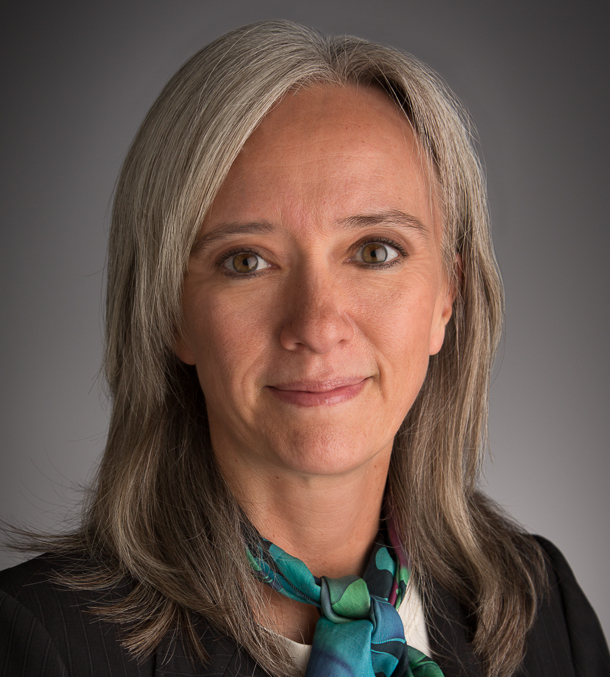
Dr. Jill Engel-Cox is currently the Director of the Joint Institute for Strategic Energy Analysis (JISEA) at the U.S. National Renewable Energy Laboratory (NREL) in Golden, Colorado. Over her 30-year career, Dr. Engel-Cox has been an engineer, researcher, program manager, and strategic planner for a diverse suite of renewable energy, clean technology, and environmental programs in the United States, Asia, and Middle East. Her first job was climbing smokestacks in Los Angeles, followed by leading industrial pollution prevention programs for small- and medium-sized businesses and R&D laboratories. In the past decade, she has led international strategic planning and technology analysis for energy and environmental sustainability research programs, working extensively in Malaysia and Saudi Arabia. She teaches a course in energy issues for the University of Colorado Denver Global Energy Management program and industrial processes and environmental communications courses at Johns Hopkins University Engineering for Professionals Program. She holds a B.S. in Mechanical Engineering and a B.A. in Plan II from The University of Texas in Austin, an M.S. in Mechanical Engineering from Colorado State University, and a Ph.D. in Environmental Science from University of Maryland Baltimore County.
Jack Howe
Mechanical Engineering Hall of Fame, 2020
BSME, The University of Texas at Austin, 1967
MSME, The University of Texas at Austin, 1968
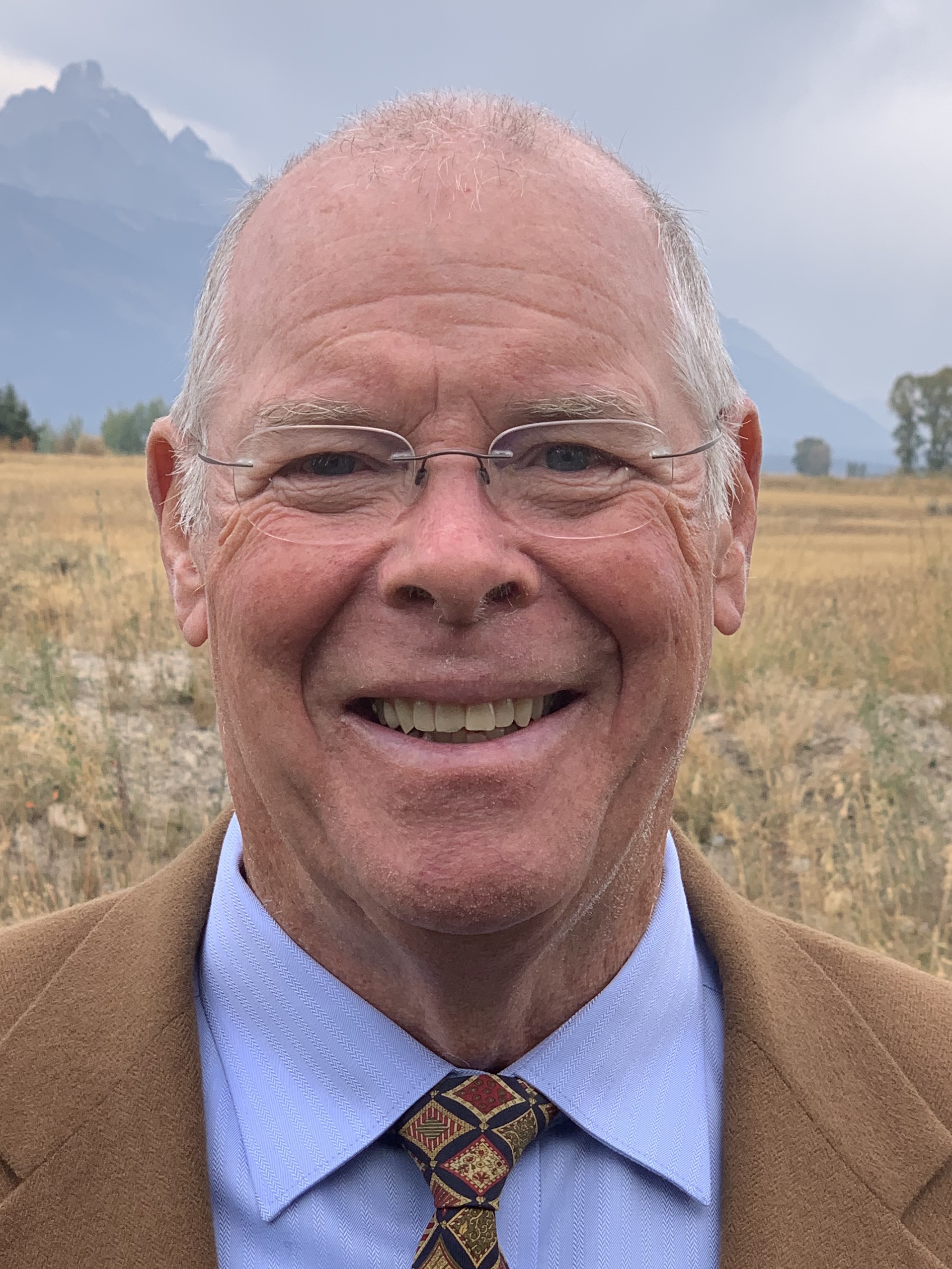
Jack was born in the Rio Grande Valley, but his earliest memories are living in Houston, where he moved when he was three. His primary school years were spent mostly outside. It was too hot in the house (pre air conditioning.) All the kids in the neighborhood would get together and spend the days swimming, biking, playing ball, or just goofing off. Swimming and basketball were favorites. Elementary school was ok, but what’s the point?
Jack first played organized football in the eighth grade on the Junior High School team. He was pretty good at it, but honestly liked basketball better. School got a little more interesting; math and science were his favorites.
In high school, he made the varsity football team his first year and started at defensive end. In his junior year his older sister insisted he should ask a friend of hers, Carrie Lindsay, to the Thanksgiving dance. She convinced him by declaring, “She’s lots of fun! It will never get serious.” He must admit 60 years later- so far, so good.
In his senior year of high school Coach Royal came recruiting. It was not a hard sell. Jack was already impressed with Texas football. He loved Austin, the hill country, and Lake Travis, where his family had taken annual vacations. His sister was already at UT in Plan II. On his recruiting trip, he was wowed by the Engineering School. The only question was Mechanical or Chemical. He decided on Mechanical with a focus on Materials.
In the fall of 1962, it was off to Austin for six amazing, wonderful years. In football, the 1963 team were National Champions, the 1964 team defeated the #1 ranked Alabama in the Orange Bowl, and in 1965 Jack earned All Conference and Academic All Conference honors. Finally, in 1966 and 1967, while completing his BS and earning his MS in Mechanical Engineering, Jack coached the freshman football teams that went on to become the core of the 1969 and 1970 back-to-back football National Champions.
All the while, studies in Mechanical Engineering got more demanding and more interesting. He was thinking about staying one more year to complete an MBA when his dad asked him, “Have you ever considered gainful employment?” He signed up for recruiting the next day. In the summer of 1968 Jack started with Phillips Petroleum Company at the Plastics Technical Center, where they were developing new technologies and new applications like blow molded HDPE vehicle fuel tanks, thermoformed tote boxes and extruded pipe for natural gas distribution. His first field assignment was as a Plastics Sales Engineer, where he participated in the commercialization of new applications like HDPE milk bottles and ice trays.
A personal highlight for the family was spending 5 years in Brussels, Belgium, where ultimately Jack was responsible for Phillips Plastics Business in Europe and Africa. After returning to the USA, Jack spent time in various divisions, including Coal, Petrochemicals, and Petroleum Products. Ultimately he was named Corporate Senior Vice President responsible for the Chemicals Group Worldwide. During the next 5 years, the Group enjoyed major expansions in domestic operations as well as market entry Petrochemical Complexes in China and the Middle East. Lastly Jack held the initial exploratory talks with Chevron Chemicals which resulted in the formation of Chevron Phillips Chemical.
Jack retired in 1999 and moved to Jackson Hole, WY (aka Heaven). He and Carrie generally spend November and April in Texas, splitting time between Austin and the Hill Country. Since retiring, thanks to his three daughters, Jack enjoys having a covey of eight grandchildren.
Richard Neptune
Honorary Mechanical Engineer, 2020
BSME, University of California, Davis, 1991
MSME, University of California, Davis, 1993
PhD, University of California, Davis, 1996
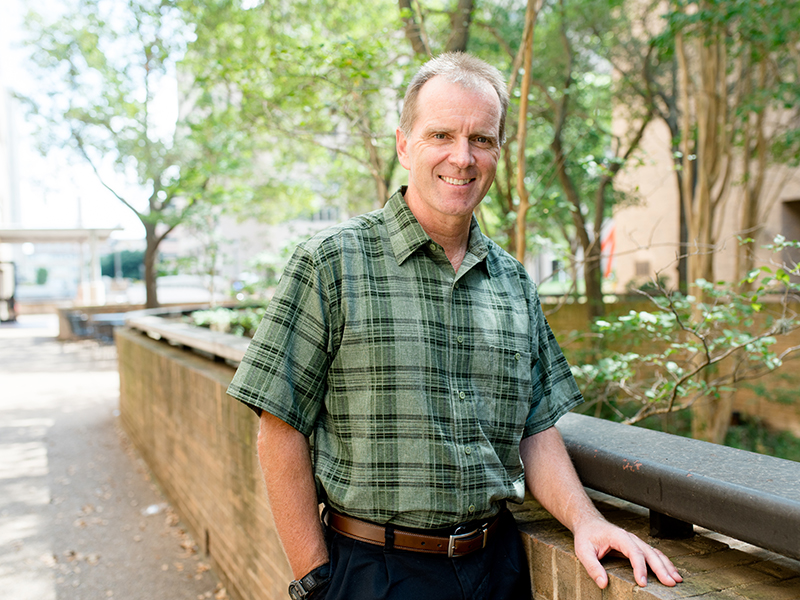
Dr. Rick Neptune grew up in Truckee, CA where he loved sports and was a two-time All-State running back in football. After rupturing his spleen in a game his senior year, he attended junior college at the College of Siskiyous, where he was an All-Conference and California junior college All-State safety. Truth be told, the only reason he went to college was to play football. Not sure what to study, he initially majored in business and quickly realized that engineering was the career path for him. Rick went on to receive his BS, MS and PhD in mechanical engineering from the University of California at Davis, where he was also an all-conference strong safety. Following graduation, he did a post-doc at the University of Calgary and then was a Biomedical Engineer at the Rehabilitation R & D Center at the VA Palo Alto Health Care System. Since 2001, he has served on the faculty in the Walker Department of Mechanical Engineering in the Biomechanical Engineering and Dynamic Systems and Control areas. He served as the Department Chair from 2016-2021. His research is focused on improving rehabilitation outcomes and quality of life for those with movement disabilities, including lower-limb amputees, individuals post-stroke and those with spinal cord injuries. He is recognized as a world leader in developing computer modeling and simulation techniques to analyze normal and pathological movement to identify the neuromotor and biomechanical mechanisms that contribute to locomotor impairments. He is also one of the first to use additive manufacturing techniques to fabricate patient-specific orthotic and prosthetic components that seek to improve the functional mobility of those with lower-limb neuromuscular and musculoskeletal disorders. For his research contributions in this area, he was recognized with the da Vinci Award for applied research aimed at aiding those with lower limb disabilities from the Engineering Society of Detroit and the National Multiple Sclerosis Society.
Rick enjoys teaching and is dedicated to mentoring the next generation of engineers. Over the years, his students have been the recipients of a number of prestigious awards at regional and national conferences as well as holding academic positions. He was the first faculty member from the Cockrell School of Engineering to be elected as a UT Austin Provost Teaching Fellow, who are faculty appointed by the Provost Office to advance education through individual initiatives that improve teaching and learning across the UT campus. For both his teaching and research, he has received a number of prestigious awards, including the American Society of Biomechanics Young Scientist Award, Outstanding Young Scientist Award from the Houston Society for Engineering in Medicine and Biology, and CAREER award from the National Science Foundation. More recently, he received the Joe and Bettie Branson Ward Endowed Excellence Award from UT Austin for his teaching and research that has contributed to changes of positive value to society. He received the Lockheed Martin Aeronautics Company Award for Excellence in Engineering Teaching from the Cockrell School of Engineering and was elected Fellow of both the American Society of Biomechanics and American Society of Mechanical Engineers. These societies have also recognized his contributions to research, education and mentoring with the Van C. Mow Medal from the American Society of Mechanical Engineers and the Founders’ Award from the American Society of Biomechanics.
Rick met his amazing and beautiful wife Denise when they were both students at UC Davis, where she was on the track and field team and studying English. In his spare time, Rick enjoys the mountains, cycling, reconciling faith and science, and spending time with Denise and their four wonderful children, Aleka, Kendrick, Mikaylie and Derrick.
Steven Nichols
Distinguished Mechanical Engineer, 2020
BSME, The University of Texas at Austin, 1972
MSME, The University of Texas at Austin, 1973
PhD, The University of Texas at Austin, 1975
JD, The University of Texas at Austin, 1983
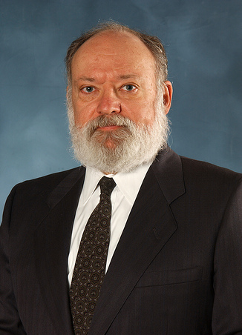
Dr. Steven P. Nichols is a Professor (retired) in the Walker Department of Mechanical Engineering at The University of Texas at Austin. He is a professional engineer and licensed attorney.
Dr. Nichols initially joined the Department of Mechanical Engineering in 1976 as an Assistant Professor. In 1978 he formed an engineering consulting firm, and from 1978 until 1985, he gained broad industrial experience in consulting for industrial clients and other organizations, such as Florida Power and Light, Smith Industries, Plastics Manufacturing Company, Iowa Power and Light, Electric Power Research Institute, and the U.S. Department of Energy. He earned his law degree in 1983 and has been involved in litigation involving product liability and intellectual property. Dr. Nichols rejoined the Department of Mechanical Engineering in September of 1985, with his research interests including topics in technology entrepreneurship, engineering design and manufacturing, internal combustion engines, and engineering professional responsibility. He has taught continuing education/ professional development courses across the United States as well as on every continent (except Antarctica).
Dr. Nichols has developed engineering design courses in cooperation with faculty in electrical and computer engineering, chemical engineering, aerospace engineering, management, and art. He has also developed a cross-disciplinary course in technology entrepreneurship in cooperation with the College of Engineering, the College of Natural Sciences, the McCombs School of Business, the School of Law, and the IC2 Institute.
Dr. Nichols has served as the Associate Vice President for Research at the University, the Associate Chair for the Department of Mechanical Engineering, the Director of the Center for Energy and Environmental Resources (formerly the Center for Energy Studies), Director of the Murchison Chair of Free Enterprise, Acting Director of the Center for Electromechanics, and as Director of the Option III Engineering Management program in the Cockrell School of Engineering. In 2009, Dr. Nichols received the Joe J. King Professorship Award from the Cockrell School of Engineering for Faculty Excellence. He was selected as a Master of the Bench of the American Inn of Court (Intellectual Property) in 2010. In 2011, Dr. Nichols was named the Annis and Jack Bowen Endowed Professor in Engineering and was recognized as the Entrepreneurship Educator of the Year by USASBE. He was recognized as a Fellow of the Texas Bar Foundation in 2012.
H. Lee Norris
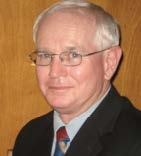
Mechanical Engineering Hall of Fame, 2020
BSME, The University of Texas at Austin, 1970
MSME, Stanford University, 1971
PhD, Stanford University, 1975
Lee Norris is currently quasi-retired, a founder of a start-up attempting to commercialize liquid assisted gas lift in both oil and gas wells, and sort-of employed by the consultancy, Precise Engineering. The four years previously, he worked at Schlumberger as a result of the Schlumberger acquisition of the SPT Group. At SPT, for sixteen years, he performed flow assurance analyses and transient multiphase simulations for wellbores, flowlines, and pipelines, and assisted in the development of the transient multiphase program, OLGA. Prior to SPT, Lee worked for two decades at Exxon Production Research where he performed the design of production facilities and pipelines, along with fundamental research in multiphase flow. Lee has PhD and Master’s degrees from Stanford University (1975 and 1971) and a Bachelor’s degree from The University of Texas at Austin (1970), all degrees in Mechanical Engineering. He is blessed with a very patient wife, Linda, a grown daughter, Sarah, and two incredibly cute granddaughters. He is a bad guitar player, an avid, if not particularly talented, distance runner, and the driver of an increasingly vintage Miata.
Matt Ralls
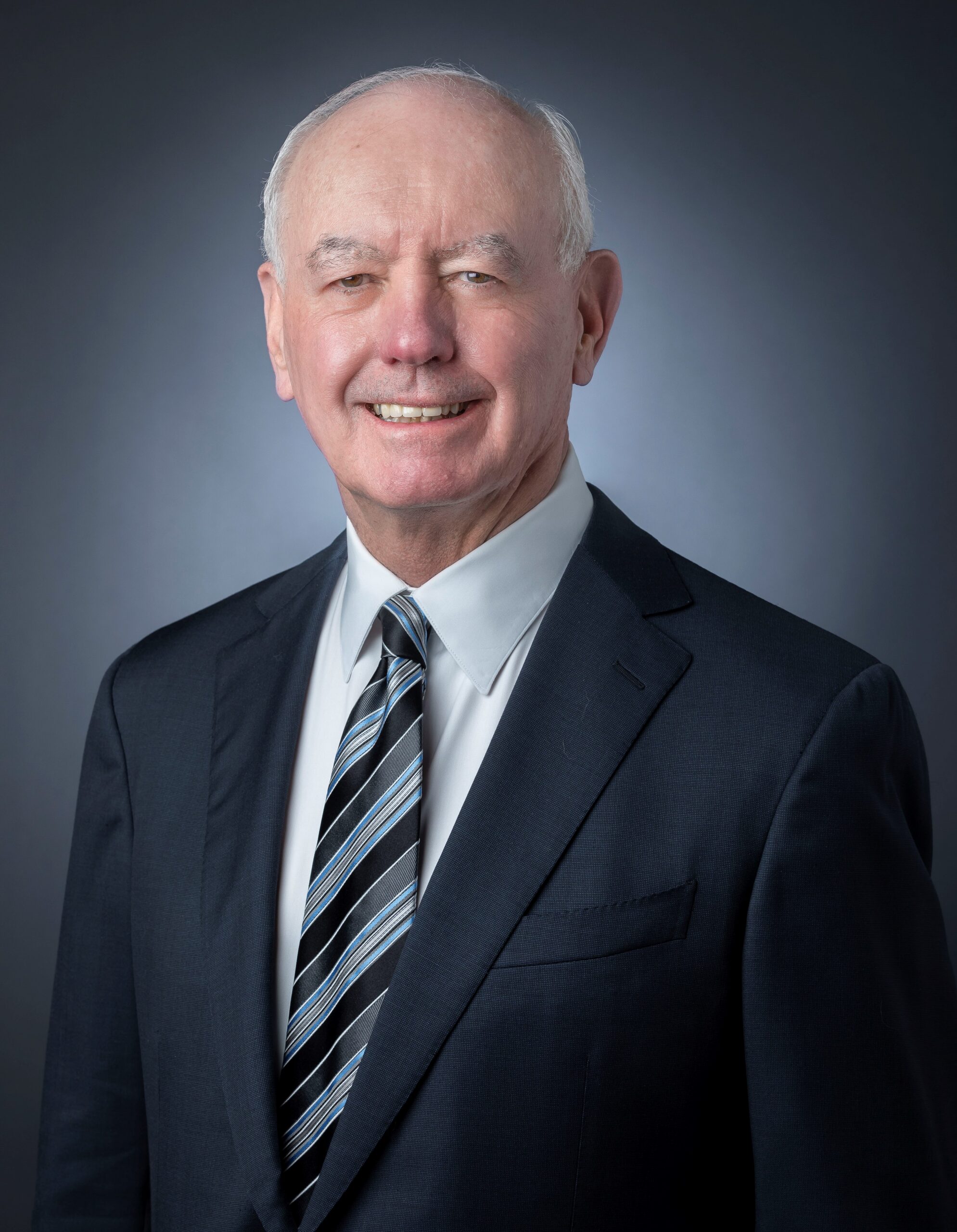
Distinguished Mechanical Engineer, 2020
BSME, The University of Texas at Austin, 1971
MBA, The University of Texas at Austin, 1973
Mr. Ralls attended The University of Texas at Austin from 1969 until 1973, graduating with a BS in Mechanical Engineering in 1971 and with an MBA in 1973. He began his career in commercial banking primarily focused on energy lending, where his engineering education was especially useful. In all, Mr. Ralls spent 17 years in banking with three large Texas banks, mostly in loan management positions, ending with his role as senior lender over all nonretail lending for a 27 bank holding company.
In 1990, Mr. Ralls was recruited to be Chief Financial Officer for a publicly traded independent E&P company in Houston. After that company was sold in 1996, he joined another publicly traded E&P in a similar position before being recruited to join Global Marine, a publicly traded international offshore drilling company in 1997 as Vice President and Treasurer. A year later, he was promoted to Senior Vice President and CFO. He held that position following a merger between Global Marine and Santa Fe International in 2001 that created GlobalSantaFe, then the world’s second largest offshore driller. In 2005, he was promoted to Executive Vice President and Chief Operating Officer of GlobalSantaFe, overseeing worldwide operations and marketing activities for that company’s 60 rig fleet. He held that position until late 2007 when GlobalSantaFe merged with Transocean creating the largest offshore driller in the world with a market capitalization in excess of $50 billion. Mr. Ralls left Transocean following consummation of the merger.
A year later, Mr. Ralls was recruited to become President and CEO of Rowan Companies, another publicly traded offshore drilling company founded in 1923. Mr. Ralls held the position of CEO until 2014 at which time he became Executive Chairman of the company. During his time with Rowan, the company sold two of its smaller divisions for $1.6 billion and reinvested those funds in a $6 billion upgrade of its offshore drilling fleet, including an expansion into the ultra-deepwater market. Mr. Ralls retired from Rowan and his active career in 2016.
During his active career, Mr. Ralls was involved in many industry associations, including the International Association of Drilling Contractors, including a period as Chairman, and the American Petroleum Institute. He has also served as a director of several publicly traded companies and continues to serve on the boards of four of those companies at present.
Mr. Ralls lives in Austin and is a member of the Engineering Advisory Board and a Distinguished Engineering Graduate. He has four grown children, three of whom graduated from UT Austin, including one with a BS degree in Mechanical Engineering and another with a Master’s Degree in Civil and Environmental Engineering.
Gregory N. Smith
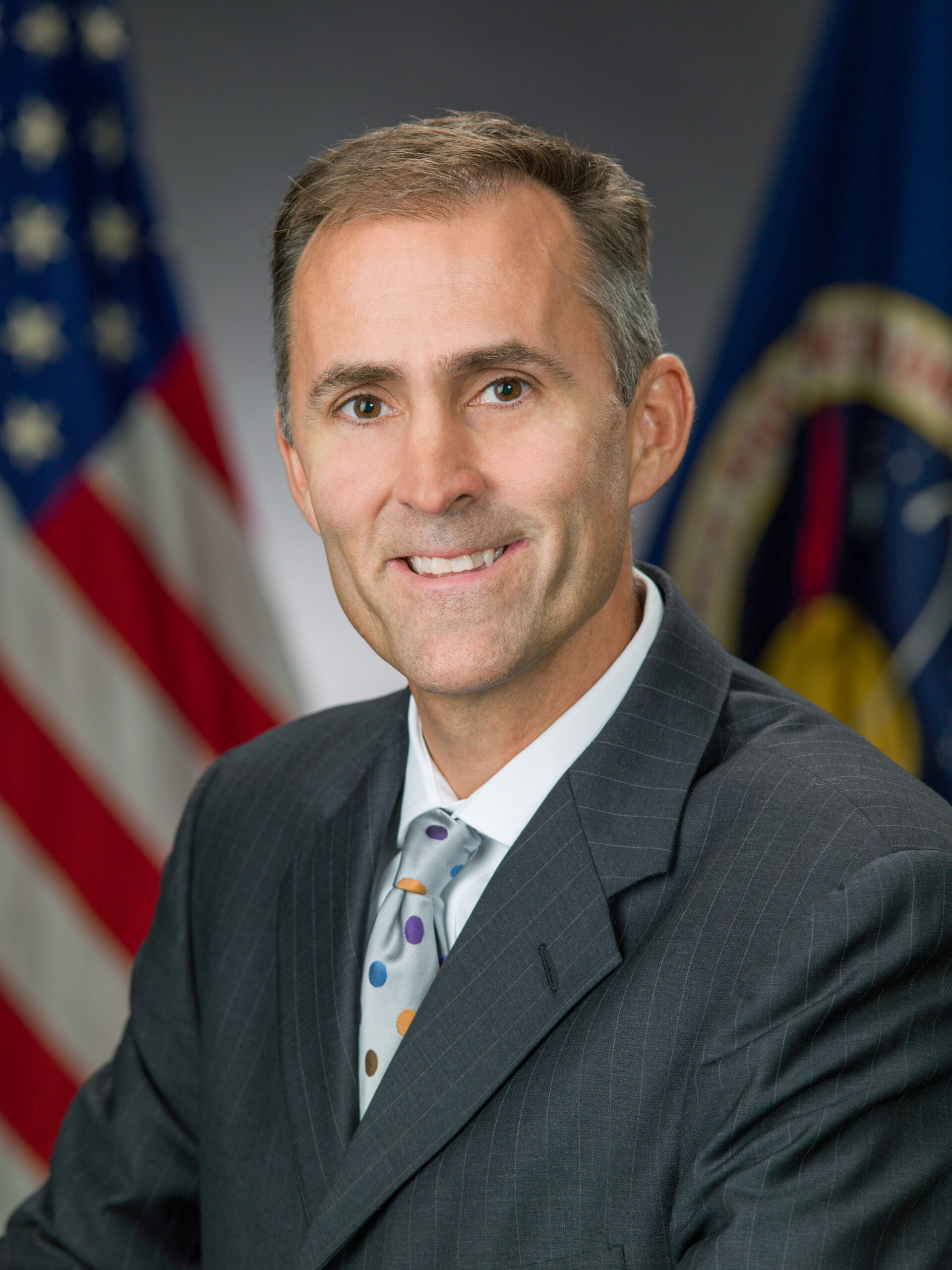
Distinguished Mechanical Engineering, 2020
BSME, The University of Texas at Austin, 1985
MS Industrial Engineering, University of Houston, 1999
McCombs School of Business Executive Education Program, The University of Texas at Austin, 2010
Greg was born in Austin into the Longhorn family of Pam and Ned Smith. He grew up in Longview, Texas and developed a passion for mathematics and problem solving, which he shares with his father and brother, Stephen, who are also UT mechanical engineering graduates. Since graduating UT, Greg has applied a strategic, innovative, and collaborative approach in NASA Flight Operations across the Space Shuttle, International Space Station, Commercial Crew, Orion, Lunar Gateway, and Human Lander programs.
Greg started his career with Rockwell International at the NASA Johnson Space Center (JSC) in the Flight Operations Directorate (FOD). He worked as a mission planner for 29 Space Shuttle missions in Mission Control Center (MCC) Houston. He was the lead planner for five complex missions and received the highest honor to “Hang the Mission Plaque” on the MCC wall for two of his lead missions. In 2000, Greg was selected as a NASA civil servant and transitioned to the International Space Station (ISS) Program as an Operations Lead, responsible for integrating daily flight control activities and serving as a prime interface between the US and Russian program management during four tours of duty in Moscow, Russia.
In 2005, Greg was promoted to lead a new Flight Operations Management Office responsible for strategic planning, risk management, and business processes. In 2008, Greg became an ExtraVehicular Activity (EVA) Hardware Manager and led the development and delivery of flight hardware to conduct spacewalks, including critical equipment for the Hubble Space Telescope repair mission. In 2013, Greg transitioned to lead the Environmental Systems Group and directed the flight control team supporting the development and operations of life support and thermal systems for the Orion and Boeing Starliner vehicles. In 2018, Greg was selected as the Flight Operations Lead for the Lunar Gateway Program and a year later transitioned to a similar position for the Human Lander System Program. Greg was responsible for leading a team of astronauts and flight controllers in the formulation of NASA’s initiative to return humans to the moon.
Greg’s intellectual curiosity has resulted in several innovations for Flight Operations. He was a leader in the transformation of mission operational products from print to electronic media, including the development of the first web application in MCC and the Russian Segment Knowledge Base application to manage over 20 years of ISS space systems history. He received the JSC Exceptional Software Award. Greg has also served on the JSC team managing a technology investment portfolio and guided the formulation of multiple projects, including advancements in robotics and automation. The NASA astronaut corps presented Greg with the prestigious Space Flight Awareness Silver Snoopy Award, which honors individuals who have made significant contributions to the success of human spaceflight missions.
He lives in Friendswood with his wife, Chris, and children, Kathryn, Matthew, and Stephani. Greg has served the community in youth athletics as a coach and board member. His hobbies include spending time with his family and in numerous outdoor activities.
Albert Swantner

Outstanding Young Mechanical Engineer, 2020
BSME, The University of Texas at Austin, 2007
MSME, The University of Texas at Austin, 2009
Albert is the CTO and Co-Founder of Mobile Tech RX, an Austin-based startup developing technology for the automotive reconditioning industry. Under his leadership, the company has grown exponentially and successfully positioned itself as a leading automotive service tool. He was born and raised in San Antonio, Texas and graduated from The University of Texas at Austin, where he received a bachelor’s degree and master’s degree in Mechanical Engineering.
Albert was initially accepted into The University of Texas Civil Engineering program and later transferred to Mechanical Engineering due to its broad range of study. While a student at UT, Albert was involved with the Formula SAE team and in undergraduate research studying optimization and automation. He continued this research under Dr. Matthew Campbell and wrote his graduate thesis on the automated design of gear trains, had multiple conference papers accepted, and ultimately a journal paper published in Engineering Optimization. Albert held two internships during his undergraduate career: at Reinhart and Associates performing non-destructive testing and at Flextronics designing medical devices. He was also a teaching assistant in the senior design project class while in graduate school.
After graduation in 2009, with the economy still recovering, his job offer at Flextronics was rescinded a week before he was set to start. So, with a degree in hand, his first job out of graduate school was waiting tables at Mama Fu’s in Austin. Later that same year, he landed a job with a small design firm, working on products including electric batteries for scooters. This work was rewarding but ultimately, after a short stint he realized his true passion was entrepreneurship. In 2010, he started a consulting agency called Bohemian Innovation where he was able to work with companies like Adidas, Microsoft, Walmart, and Fox, but also had the opportunity to start companies like Charity Miles, which received a Webby award, and Sway Water, a consumer product that was carried in over 300 stores. In 2015, he began work on Mobile Tech RX, which is venture backed and is used by thousands of automotive companies to run their businesses. In his role as CTO, he leads the engineering, product, and support teams and has grown the company from an idea to a product that is disrupting the automotive industry.
Outside of work, Albert is married to his beautiful wife Sarah; they have two young sons, Elliott and Everett. He is deeply involved in both the Austin and The University of Texas communities. He is a Notley and Culturati Fellow and is on the board for Big Brothers Big Sisters, Naturally Austin, the Austin Monitor, UT Lutheran Campus Ministry and Knowbility. Albert is also on the advisory board for SXSW, DivInc, and the Humanitarian Engineering program at UT. He has volunteered as a mentor for Longhorn Startup and a scholarship reviewer for the Forty Acres Society.
William Zartler
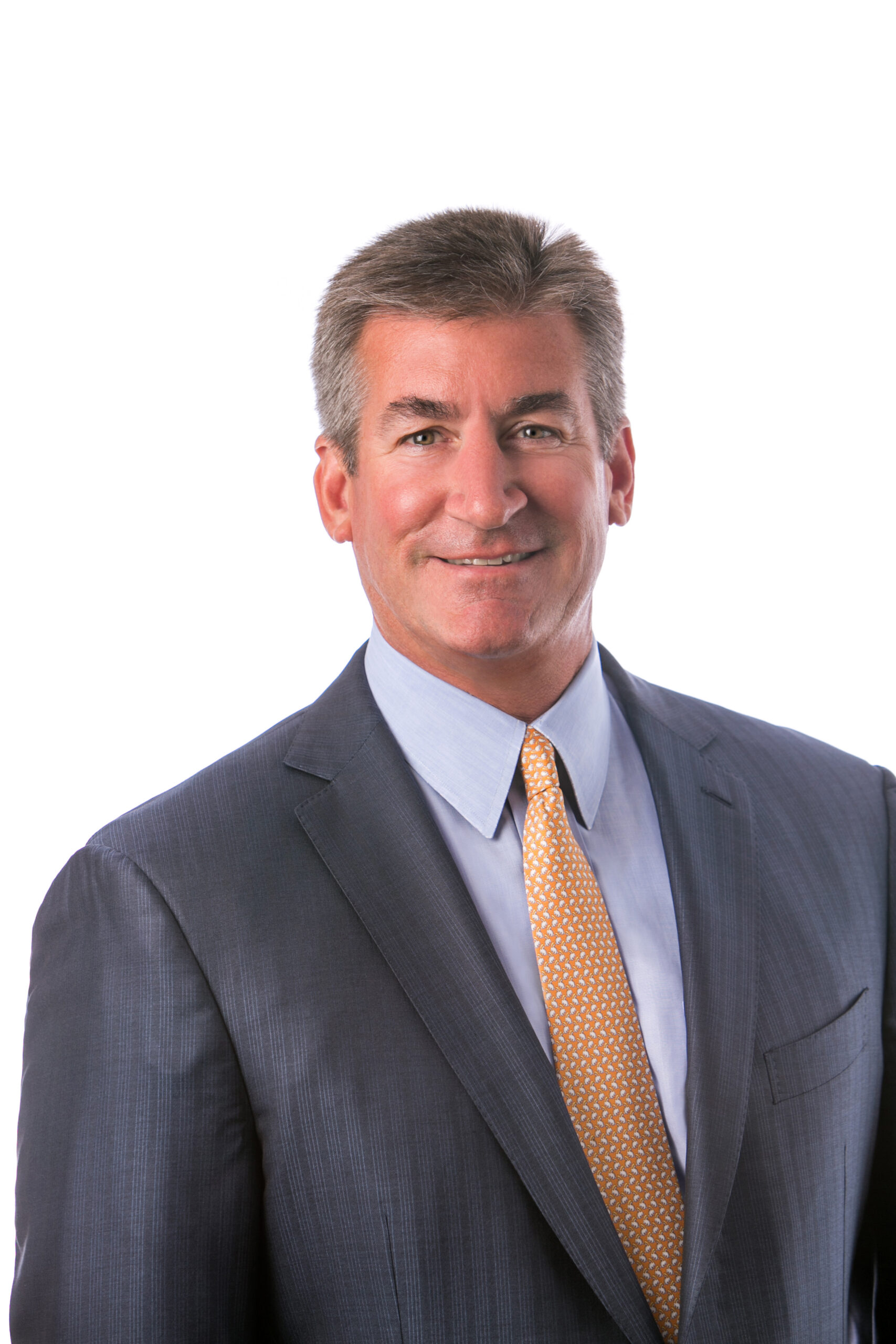
Distinguished Mechanical Engineer, 2020
BSME, The University of Texas at Austin, 1987
MBA, Texas A&M University, 1989
Bill Zartler has an extensive background in both building and managing growth businesses and energy industry investing. Bill is the Founder, Chairman and Chief Executive Officer of Solaris Oilfield Infrastructure, Inc. (NYSE:SOI) and the Founder and Chief Executive Officer of Solaris Midstream Holdings, LLC (“Solaris Water”).
SOI is the leader in wellsite equipment and logistics services delivering proppant or “frac sand” used during hydraulic fracturing operations. SOI’s patented proppant systems are manufactured by SOI at its facility in Early, Texas. After founding the business in 2014, Bill led SOI’s successful initial public offering on the New York Stock Exchange in May 2017.
Bill founded Solaris Water in 2016 to develop and deliver large-scale water infrastructure, disposal and recycling treatment solutions to the Upstream Industry in the Permian Basin. Solaris Water is already the largest third-party provider of recycled produced water in New Mexico with three full-scale recycling facilities and over 500 miles of pipeline located in some of the best acreage of the Permian Basin.
Prior to founding the Solaris Companies in 2014, Bill was a Founder and Managing Partner of Denham Capital Management, a global energy and commodities private equity firm. He led Denham’s global investing activity in the midstream and oilfield services sectors and served on the investment and executive committees. While at Denham, Bill served on the boards of numerous portfolio companies, including NGL Energy Partners (NYSE:NGL), Gulf Atlantic Operations, and Kitimat LNG. Previously, Bill held the role of Senior Vice President and General Manager at Dynegy Inc., building and managing the natural gas liquids business. Prior to that he held the roles of Feedstock Trading Manager and Business Analyst at Dow Hydrocarbons and Resources.
Bill received the Ernst and Young Entrepreneur of the year award for the Gulf Coast Region in 2018. He earned a Bachelor of Science in Mechanical Engineering from The University of Texas at Austin and a Master of Business Administration from Texas A&M University. He also completed the Stanford Business School Executive Program and serves on the advisory board of the Cockrell School of Engineering at The University of Texas at Austin and the board of directors of the Texas Business Hall of Fame Foundation.