
2016 Academy of Distinguished Alumni Announced
The Walker Department of Mechanical Engineering has announced the 2016 honorees of its Academy of Distinguished Alumni.
As a way of recognizing the accomplishments and careers of our outstanding alumni, the Walker Department of Mechanical Engineering established the Academy of Distinguished Alumni in 2004. The Academy’s purpose is to recognize high-achieving mechanical engineers from among the UT Austin community and from the engineering community at large, to champion the mechanical engineering profession and to build a strong community and facilitate interactions among our students, faculty, alumni and corporate partners.
This year’s honorees include:
Jason Dees
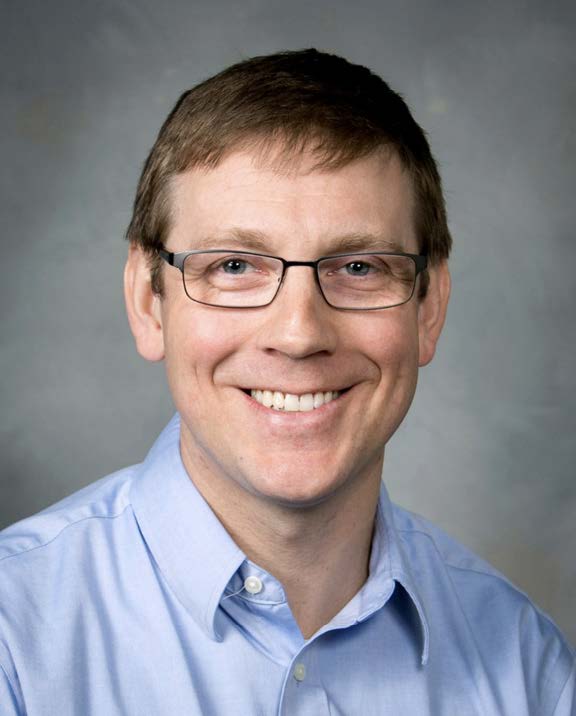
Outstanding Young Mechanical Engineer
BSME, Louisiana Tech University, 2003
MSME, The University of Texas at Austin, 2006
Ph.D., The University of Texas at Austin, 2010
Jason Dees currently manages the Gas Turbine Heat Transfer Labs at GE Global Research, where he has worked since 2010. This team consists of approximately 20 researchers and is responsible for developing new turbine hot gas path thermal management technologies for GE Aviation, Power and O&G, including component cooling schemes, computational methodologies, and advanced thermal diagnostic techniques. Jason holds a BS in mechanical engineering from Louisiana Tech University and MS and Ph.D. degrees from The University of Texas at Austin.
Jeannie Falcon

Honorary Mechanical Engineer
BS, Physics, Carnegie Mellon University, 1988
MSME, Massachusetts Institute of Technology, 1990
Ph.D., Massachusetts Institute of Technology, 1994
Jeannie Sullivan Falcon was born in London, England, where her father worked as a civil engineer for the Navy and was assigned to the North Atlantic Treaty Organization (NATO). Her mother worked as a teacher and later as a business consultant. The family moved back to the United States when Jeannie was four and settled in Potomac, Maryland.
Jeannie enrolled at Carnegie Mellon in 1984 with a full Air Force Reserve Officer Training Corps (ROTC) scholarship. She studied physics and held internships in programming and numerical methods at the National Institute of Standards and Technology and at Sandia National Laboratories. She graduated in 1988 with honors and was selected as an ROTC Distinguished Graduate.
After college, she took an educational delay from the Air Force and began graduate studies in mechanical engineering at the Massachusetts Institute of Technology. Her master’s thesis was funded by NASA and focused on trajectory design for launch vehicles using numerical optimization and simulation techniques. She conducted doctoral research at the Charles Stark Draper Laboratory in distributed transducer modeling and design for structural control. Jeannie’s work involved the extension of mathematical distribution theory to two dimensions and was published in several journals. She completed her MIT Ph.D. in 1994.
Upon graduation, Jeannie began active duty military service at the Air Force Research Laboratory at Kirtland Air Force Base. As a captain, she led the system integration, performance, and flight testing of a vibration isolation and suppression system for precision pointing of satellite payloads. Her team won an SPIE Smart Structures Product Implementation Award for their work.
After completing active duty in 1998, she began work at Midé Technology Corporation in Massachusetts. Her projects included the design of a tactile actuator for the Navy and the development of advanced signal processing techniques for electrodiagnosis of the eye. She also consulted for Payload Systems, Inc. as a software and system engineer for a robotic cell growth experiment for the International Space Station.
She joined National Instruments (NI) in 2000 as the group manager for motion control in R&D and later worked as a hardware product strategist. She moved to the technical marketing group in 2003 to establish new business areas for the company in real-time math, control design, dynamic system simulation, and robotics. In 2011, she won the NI Product Marketing Engineer of the Year Award. Jeannie is currently a chief engineer at NI and leads multiple technical consulting, product strategy, and product management efforts on the core software team.
Jeannie also served as a lecturer at The University of Texas at Austin in the departments of mechanical and aerospace engineering. She taught courses in dynamic systems and controls as well as programming and engineering computation. From 2003 to 2014, Jeannie served on the External Advisory Committee (EAC) for the Department of Mechanical Engineering and supported the Department’s 35-in-5 initiative (now known as Elevate ME) to increase the percentage of women in Mechanical Engineering. She is currently serving on the EAC for the UT Department of Aerospace Engineering and Engineering Mechanics.
Jeanne lives in Austin with her husband and daughter. They volunteer with several STEM efforts, including Introduce a Girl to Engineering Day at UT.
Glenn Goss
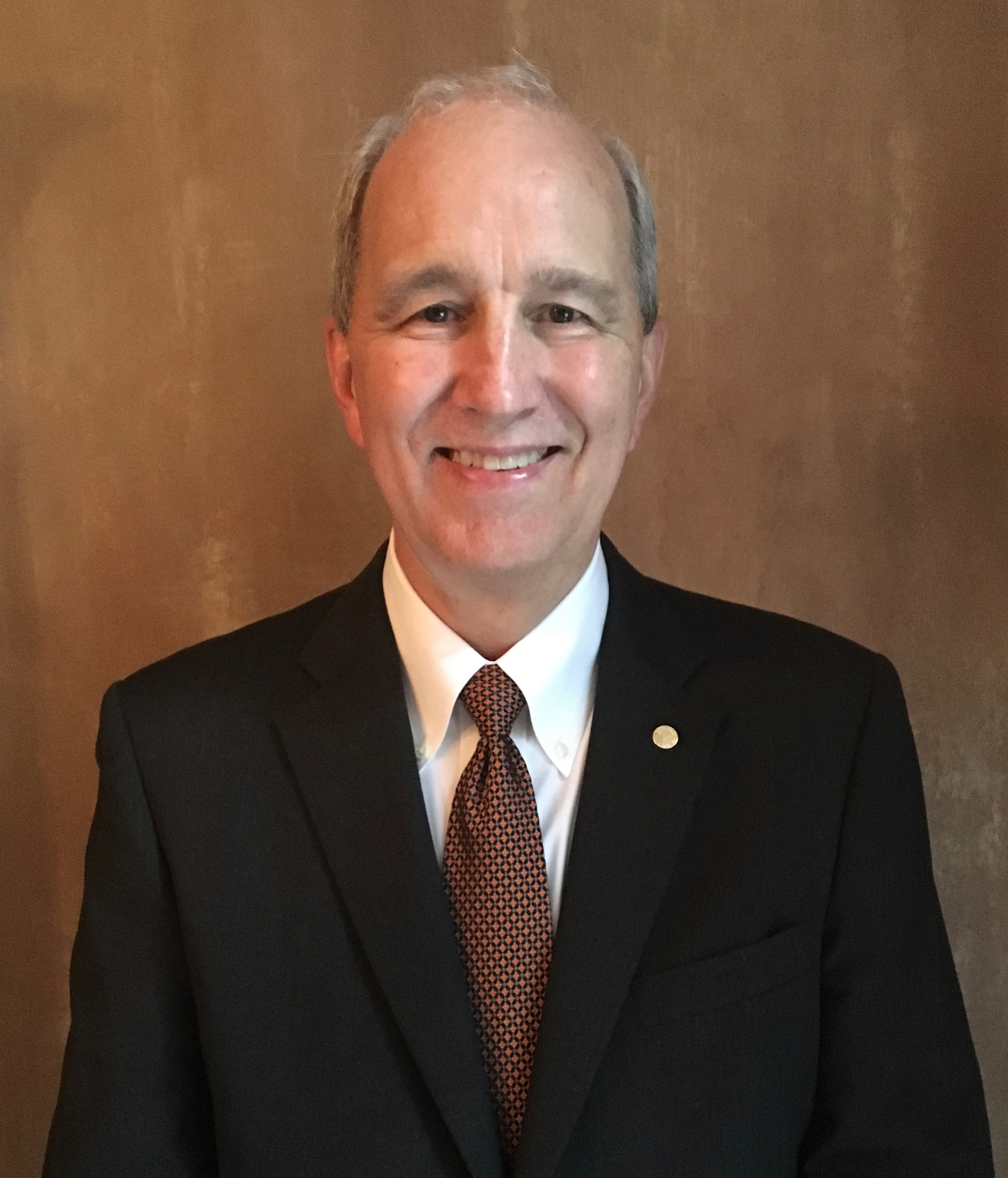
Distinguished Mechanical Engineer
BSME, The University of Texas at Austin, 1975
Glenn Goss is a native of Belmont, Texas (pop. ~25) where he grew up working at his family’s ranch/farm/garage and developed a strong interest in all things mechanical. After graduating from nearby Gonzales High School, UT ME was the natural choice for further study. While pursuing a degree in mechanical engineering, Glenn walked-on the UT track team as a quarter-miler and was able to contribute as a letter-winner to four Southwest Conference championships.
In June 1975, Glenn joined Exxon Company, USA in Tyler, Texas. During the first 25 years of his career, he worked on many of Exxon’s U.S.-based assets with assignments in Houston and Katy, Texas, Century City and Thousand Oaks, California; Anchorage, Alaska; and New Orleans, Louisiana. Glenn’s early assignments applied his ME background to facilities/pipeline construction, corrosion engineering, and well design/repair. Over time, he diversified his skills while progressing through various technical and leadership assignments in subsurface engineering, facilities engineering, oil/gas property sales and acquisitions, and reservoir engineering.
Following the Exxon and Mobil merger in 2000, Glenn worked on and traveled to many international oil and gas fields from his Houston base. These experiences included technical oversight of existing producing fields, identifying and implementing development plans for new discoveries, and interfacing with partners and governments in West Africa, the Caspian Sea region, South America, and the Middle East. In 2003, Glenn became the Qatar Reservoir Engineering Manager for ExxonMobil. Over the next 11 years, he and his team worked closely with the national oil company, Qatar Petroleum, to develop the North Field, the largest gas field in the world, to help transform Qatar into the leading liquified natural gas producer.
In 2014, Glenn was named Chief Reservoir Engineer for ExxonMobil. In that role, he provided guidance to management and to ExxonMobil’s world-wide technical organization. Glenn retired from ExxonMobil in July 2016 with 41 years of service. Glenn is a member of the Society of Petroleum Engineers and holds a patent associated with multi-stage hydraulic fracturing.
Glenn met his wife Sally during their freshman year at Austin; they have been married 42 years and have two children (both UT graduates) and one grandchild.
Ronald Hughes
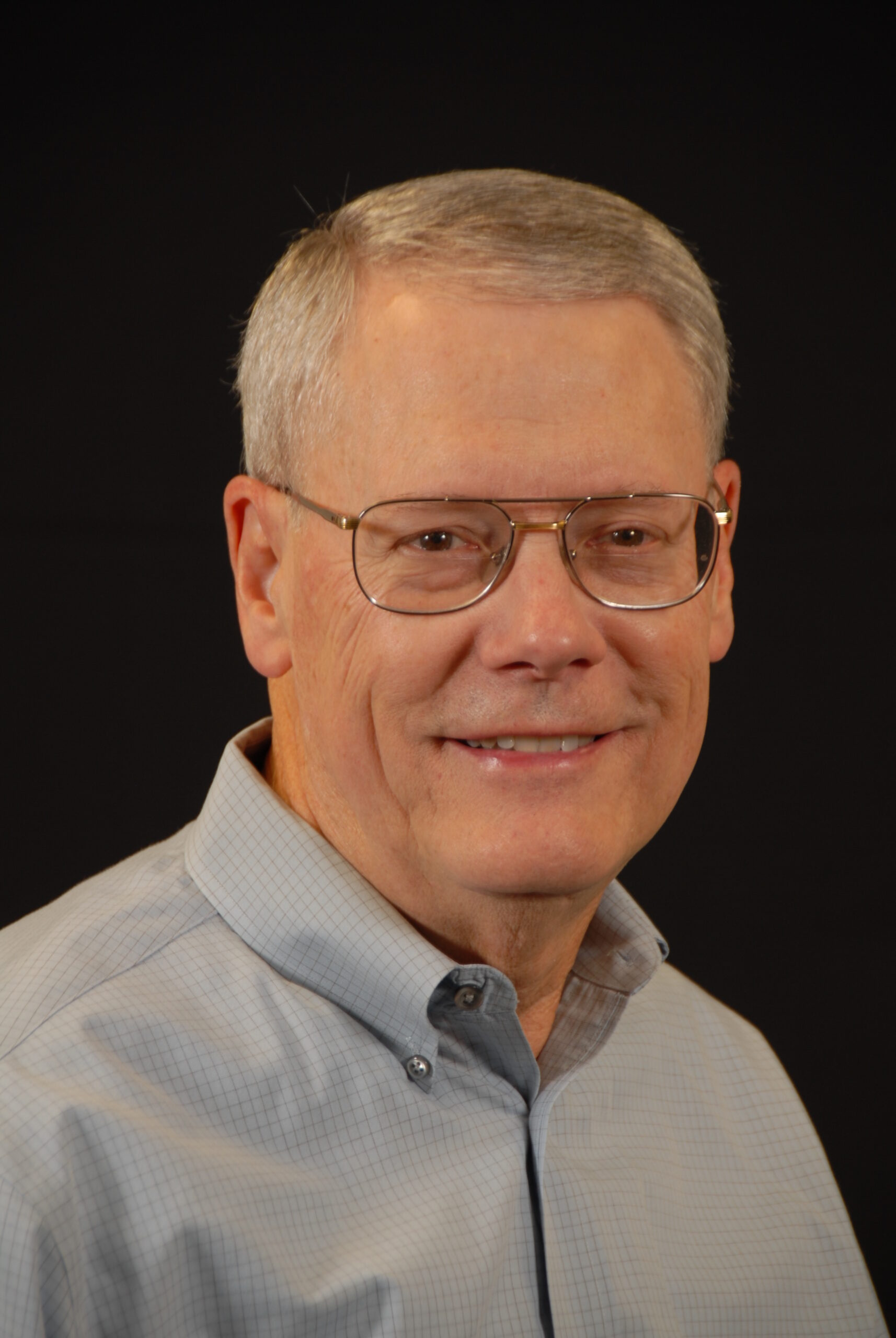
Mechanical Engineering Hall of Fame
BSME, The University of Texas at Austin, 1970
After receiving his Bachelor of Science in mechanical engineering from The University of Texas at Austin in January 1970, Mr. Ronald Hughes began his career in the government products unit of Texas Instruments (TI) in Dallas, Texas. In 1997, that portion of TI was acquired by Raytheon Company. Mr. Hughes retired from Raytheon after 41 years of combined service as a principal fellow in October 2011. Over his career, twenty-nine years were spent with the Missiles Systems business unit and twelve with (land) Combat Systems.
While associated with the missiles business unit, Mr. Hughes served as the airframe and mechanical systems design team leader for the Extended Range Guided Munition (ERGM), Joint Standoff Weapon (JSOW), and Javelin Missile programs. He also served as the design manager for a proprietary program, the production engineering manager for the High-speed Anti-Radiation Missile (HARM) program, and the supervisor of mechanical design and analysis for the HARM program.
In the combat systems business unit, Mr. Hughes supported several soldier night vision programs, including the Thermal Weapon Sight product line as a senior mechanical systems design engineer, product qualification test director, and department chief engineer. He also served as the mission system integrator contracting officer technical representative between two major Raytheon business units on a vehicle active protection system development program.
From his first day on the job, he was a practicing mechanical design engineer and remained in the technical path throughout his career. He saw the importance of continuing technical career development through relevant engineering graduate courses from The University of Texas at Arlington, Southern Methodist University in Dallas, and company-based training, such as that which led to becoming a Six Sigma Specialist. In all of his endeavors, Mr. Hughes was focused on meeting customer requirements across the entire product enterprise, from the government contracting officer and technical personnel, the manufacturing and supplier base, his managers and co-workers, and, most importantly, to the service men and women that were depending on the product working as specified when called upon.
In April 2012, Mr. Hughes was awarded the American Institute of Aeronautics and Astronautics (AIAA) Aerospace Design Engineering Award “for demonstrated excellence in the design, integration, development, and production of weapon system airframes and mechanical subsystems in missiles, and for the promotion of disciplined design processes”. Areas of expertise include structures, packaging, materials and military environments.
From 1983 to 1986, he served as an industry representative on The University of Texas at Austin Department of Aerospace Engineering Visiting Committee, including one year as chairman. He is a registered professional engineer in the State of Texas, a member of AIAA, and the Tau Beta Pi and Pi Tau Sigma engineering honor societies.
He resides in Euless, Texas, with his wife, Charlotte, where they raised two sons and are enjoying two grandsons. In retirement, Ron finds great fulfillment and satisfaction substitute teaching math and science at two local private secondary schools where he promotes at every opportunity the virtues of engineering as a career. There, he has acquired the reputation as “the sub who teaches” and the moniker “rocket man”.
Edward Hyman

Mechanical Engineering Hall of Fame
BSME, The University of Texas at Austin, 1967
MBA, Massachusetts Institute of Technology, 1969
Ed Hyman is chairman of Evercore ISI Group Inc., a global independent investment banking advisory firm. He also leads Evercore ISI’s economic research team.
Ed earned his bachelor’s degree in mechanical engineering from The University of Texas at Austin in 1967 and his MBA from the Massachusetts Institute of Technology in 1969.
Prior to joining Evercore ISI, he was the chairman and founder of ISI Group LLS, a broker dealer, and ISI Inc., a funds management company, both of which he formed in 1991. Before that, he was vice chairman and member of the board of the investment management firm C.J. Lawrence Inc., which he joined in 1972. He was an economic consultant at Data Resources Inc. from 1969 to 1971.
For over 37 years, Ed has been ranked No. 1 in the prestigious poll of investors for economics published by Institutional Investor magazine.
He is a board member of the nonprofit educational and cultural institution China Institute and a member of the advisory committee for The New York Public Library’s Financial Services Leadership Forum. He also serves on the finance committee of Bowdoin College and is a member of the Economic Club of New York. He has previously served as a board member of the International Tennis Hall of Fame, Capital Trust, Said Holdings Limited, 10 Gracie Square, Saint David’s School and on the finance committee for the Collegiate School.
Ed and his wife, Caroline, live in New York City and have three grown children.
Michael Khonsari
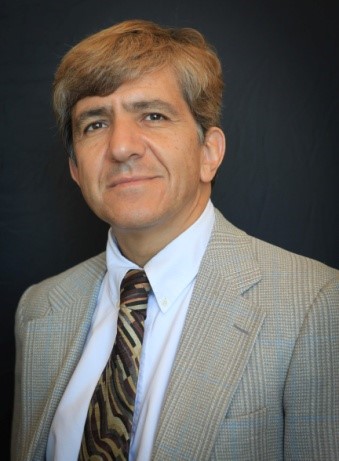
Distinguished Mechanical Engineer
BSME, The University of Texas at Austin, 1978
MSME, The University of Texas at Austin, 1979
Ph.D., The University of Texas at Austin, 1983
Michael Khonsari holds the Dow Chemical Endowed Chair in Rotating Machinery and is a professor of mechanical engineering at Louisiana State University (LSU). Prior to joining LSU, he spent a number of years as a faculty member at The Ohio State University, University of Pittsburgh, and served as the chairman of the Department of Mechanical Engineering and Energy Processes at Southern Illinois University. He has also served as a research Faculty Fellow at NASA Lewis Research Center, Wright-Patterson Air Force laboratories, and the U.S. Department of Energy. In February 2003, Michael was appointed to concurrently serve as the EPSCoR project director and associate commissioner for Sponsored Research & Development Programs at the Louisiana Board of Regents.
Michael’s research is in the area of tribology—the science and application of lubrication, friction, and wear—and fatigue and damage analysis. He is the holder of 8 U.S. patents, has authored over 275 archival papers, 50 book chapters & special publications, and 3 technical books. His latest book, Applied Tribology, published in its 3rd Edition, is widely used as a textbook at many universities and is a major reference book in the industry. He is the recipient of several research awards, including the ASME Mayo Hersey Award, the Burt Newkirk Award, the STLE Presidential Award, ALCOA awards for his contributions to tribology, and the LSU College of Engineering Outstanding Research Award. He is the editor-in-chief for ASME Journal of Tribology and serves on the Editorial Board of 8 other technical journals. Michael is a Fellow of ASME, STLE, and AAAS.
Michael has led several large multidisciplinary teams of scientists and engineers that worked collaboratively on funded research of national innovative and scientific importance. He has been principal investigator of research grants and contracts totaling over $110M (mostly from NSF). He has directly supervised and mentored over 70 Ph.D., MS, and post-doctoral students and scholars.
Michael is appointed by the governor to serve on the Louisiana Innovation Council, whose mission is “to establish a comprehensive economic strategy and innovation agenda that will grow the state’s economy and enhance competitiveness.” He helps guide the development of the research agenda for Louisiana’s most recent master plan for higher education, which promotes intra- and inter- campus multidisciplinary research and education, and was a participant in crafting the State’s Science and Technology Plan: Fostering Innovation through Research in Science and Technology. This plan calls for investments in areas of research that are aligned with specific high-growth target industries. To this end, Michael has had a major role in developing programs for research and development partnerships between academia and industry. Michael is married to Karen Khonsari and they have three sons: Maxwell, Milton, and Mason.
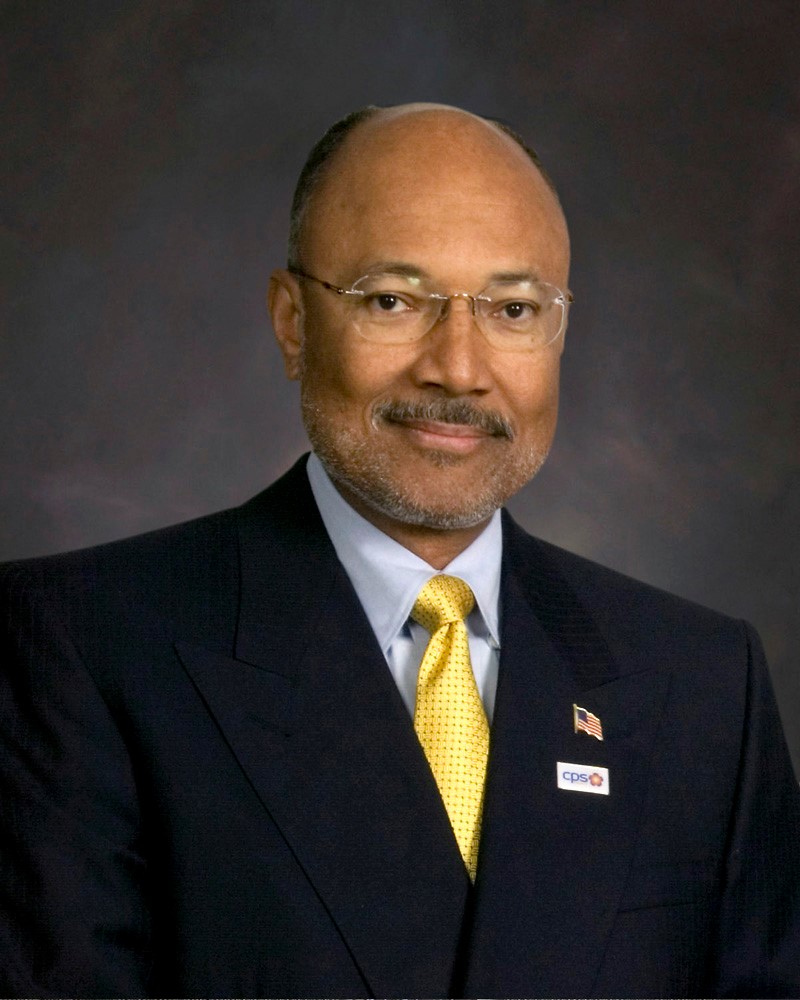
Milton Lee
Mechanical Engineering Hall of Fame
BSME, The University of Texas at Austin, 1971
Milton Lee’s extensive career in the electric energy industry spanned 40 years. To prepare him for this journey, his parents insisted he earn a high school diploma and college degree. He was raised on a farm in Southeast Travis County until the family moved to Austin in 1959. His education in Austin began in the fifth grade through graduation from Stephen F. Austin High school in 1966.
He enrolled in The University of Texas at Austin in the fall of 1966 to study mechanical and nuclear engineering. After his graduation in 1971, Milton was recruited to join General Electric Company in San Francisco, California for assignments in San Jose, California (engineer in Nuclear Steam Supply Systems and Nuclear Fuels); Boston, Massachusetts (Medium Steam Turbine and Gas Turbine); and Schenectady, New York (Large Steam Turbine). In 1976, Milton was recruited to join the newly created Texas Public Utility Commission in Austin as an Electric Utility Engineer and Expert Witness where he testified on Electric Energy Issues.
Beginning in 1984, Milton spent the next 16 years in various leadership roles with Austin Energy and Lower Colorado River Authority in Generation Planning, Fuels Procurement and Transportation, Transmission Planning, and Regulatory responsibilities. He became chief operating officer and general manager at Austin Energy in the 1990s.
In 2000, Milton was recruited to join CPS Energy in San Antonio, Texas as senior vice president of electric transmission and distribution systems, where he became general manager and CEO in 2002 until his retirement in 2010.
Milton was the commencement speaker at the 2010 UT Cockrell School of Engineering Graduation, where he challenged graduates with this statement, “Don’t be so absorbed in your work that you forget to see what is going on out in the world” and, taking a statement from the advice of one of his professors, “Life happens fast and you will miss it if you don’t make a point to participate”. Lee has been a member of the UT Engineering Advisory Board since 1985 and a Life Member of the UT Alumni Association, and remains active in the recruitment of Black and Hispanic students to attend The University of Texas at Austin Cockrell School of Engineering.
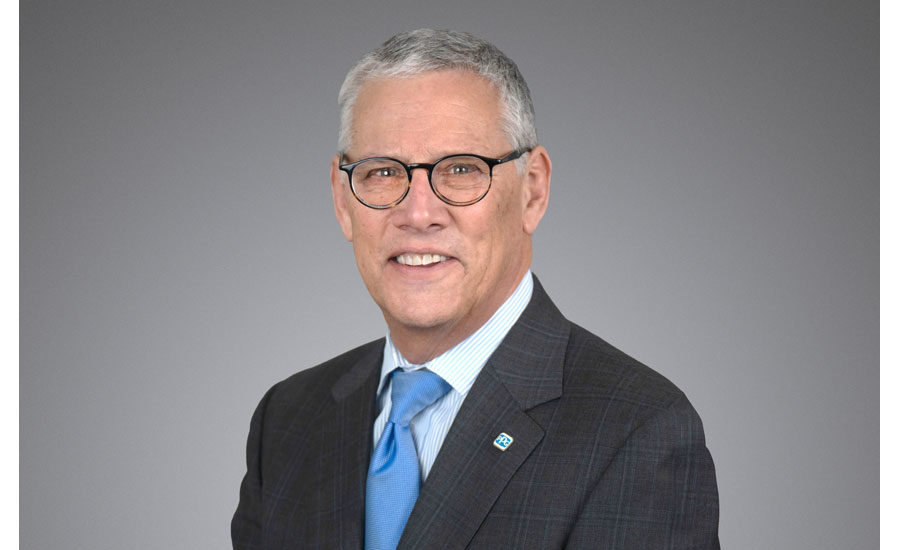
Michael McGarry
Distinguished Mechanical Engineer
BSME, The University of Texas at Austin, 1980
Michael H. McGarry is chairman and chief executive officer of PPG, the world’s leading paint and coatings company. Having worked for PPG for more than three decades, McGarry helped transform the company from a glass, chemicals and coatings company into a highly focused coatings enterprise. Under his leadership PPG has grown revenues to more than $15 billion with operations in more than 70 countries and sales in more than 140 countries around the world.
McGarry joined PPG in 1981 as a mechanical engineer at the company’s Lake Charles, Louisiana, chemicals complex. He then progressed through management assignments such as sales in the southeast United States and market development manager in Pittsburgh before relocating to Bangkok in 1989 to start up and operate a new chemical joint venture in Thailand. McGarry returned to the U.S. to assume leadership of a new synthetic paper business before transitioning into PPG’s commodity chemical business as a product manager.
In 2000, McGarry became general manager, fine chemicals, and was subsequently named vice president, chlor-alkali and derivatives. He relocated to PPG’s European headquarters in Rolle, Switzerland, as vice president, coatings, Europe, and managing director, PPG Europe, in 2006. During his tenure in Europe, he led the acquisition of SigmaKalon, the largest privately owned paint company in Europe for $3.1 billion. This was the start of the transition of PPG from a conglomerate to a pure coatings and paint company.
Upon his return to the U.S., McGarry became senior vice president, commodity chemicals, and then was elected executive vice president in 2012. The following year, another key step in the transformation took place as he led the separation of the commodity chemical business from PPG. Two more milestones took place in 2014 with the acquisition of the Glidden business and the purchase of Comex, the largest Mexican paint company.
McGarry was named the chief operating officer in August 2014 and president in March 2015. He joined the company’s board of directors in July 2015 (NYSE: PPG) and transitioned to the role of CEO in September 2015. He began his role as chairman of the board in September 2016. The final pieces of the transformation of the company were the sales of the glass and fiberglass businesses in 2016 and 2017, respectively.
McGarry is a former member on the board of Axiall Corporation (NYSE: AXLL), Pittsburgh Glass Works LLC, the American Chemistry Council and the Children’s Museum of Pittsburgh. He is a current member of the American Coatings Association, Pittsburgh Cultural Trust, and the Allegheny Conference for Community Development.
A native of New Orleans, McGarry graduated with his BS in mechanical engineering from UT Austin in 1980 and completed the Advanced Management Program at Harvard Business School. McGarry was recognized in 2016 as a Cockrell School of Engineering Distinguished Engineering Graduate (DEG). His wife, Wanda, is also a UT graduate with a BS degree in Chemistry.
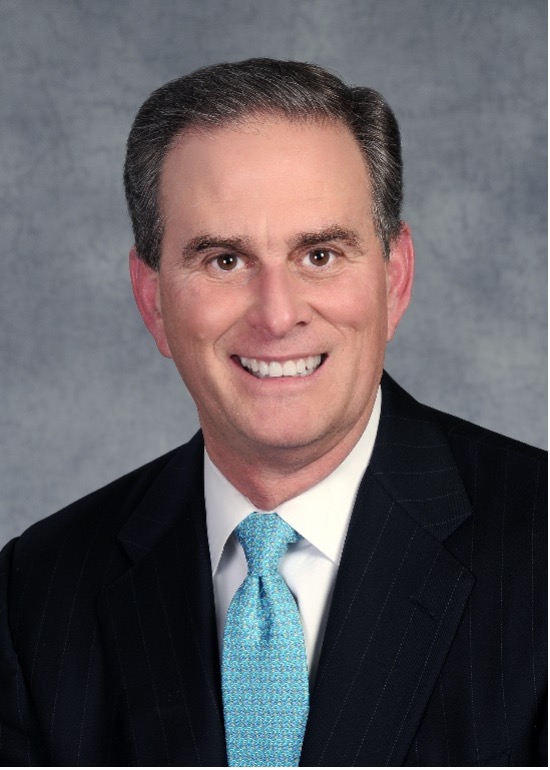
Ron Nixon
Distinguished Mechanical Engineer
BSME, The University of Texas at Austin, 1978
Ron Nixon was born and raised in Houston, Texas and began his working career with TRW Mission Manufacturing Co. as one of two freshman students selected to be participants in an engineering training program. The program moved him from research and development to production engineering, then to application engineering in the field, and he ultimately became a product specialist in the centrifugal pump product line. Two years after graduating from the UT Cockrell School with a BS in mechanical engineering, Ron joined The Brandt Group as an application engineer working with the sales department in product training and sales support. Then, at 26 years old, he founded a centrifugal pump manufacturing company that ultimately became part of National Oilwell Varco. He received his Registered Professional Engineering License from the state of Texas that year as well. In 1990, Ron co-founded The Catalyst Group, Inc. to provide expansion capital to companies in a variety of midmarket industries. Catalyst, with offices in Houston and Austin, has managed 9 separate investment funds from 1990 to present, with well over 100 transactions spanning 70+ industries.
Ron is currently a member of several private family boards as well as serving on the board of publicly-traded LHC Group. His privately-held company boards currently include Auberge Resorts, Superior Plant Rentals, Rochal Industries, Axio Energy Services, YPS Anesthesia, and others. Ron serves on The University of Texas Cockrell School of Engineering Advisory Board as vice chairman, on The University of Texas System Chancellor’s Advisory Council, and previously served on the visiting committee of the mechanical engineering department. His nonprofit boards have included organizations such as Teach for America, Houston; Epilepsy Foundation; YES Prep Schools; The Karl Young College Baseball League and others.
Ron has been married for 39 years to the love of his life, Ginny Reardon Nixon, a UT graduate in education, and has three fabulous children, Burke, Brett and Ali, who have all been involved in the field of education and have blessed Ron and Ginny with eight grandchildren. Burke is a UT Honors English graduate and now a professor at Rice University, and his wife June is a Texas A&M graduate and a stay-at-home mom for their four children, Ramsey, Cole, Maeve and Addie. Brett is a Kansas University graduate and high school teacher and head basketball coach at Fulshear High School, and his wife Kate is a Texas Tech graduate in nursing and is at home with their daughter, Piper. Ali is a UT graduate in Special Education and her husband Trevor is a Cockrell Scholar in electrical engineering and works at Raytheon in Austin, while Ali stays home with their three children, Kennedy, Logan and Chloe. A former high school and junior college baseball letterman, Ron has enjoyed watching and supporting UT Athletics for many years. The University has been a big part of his family.
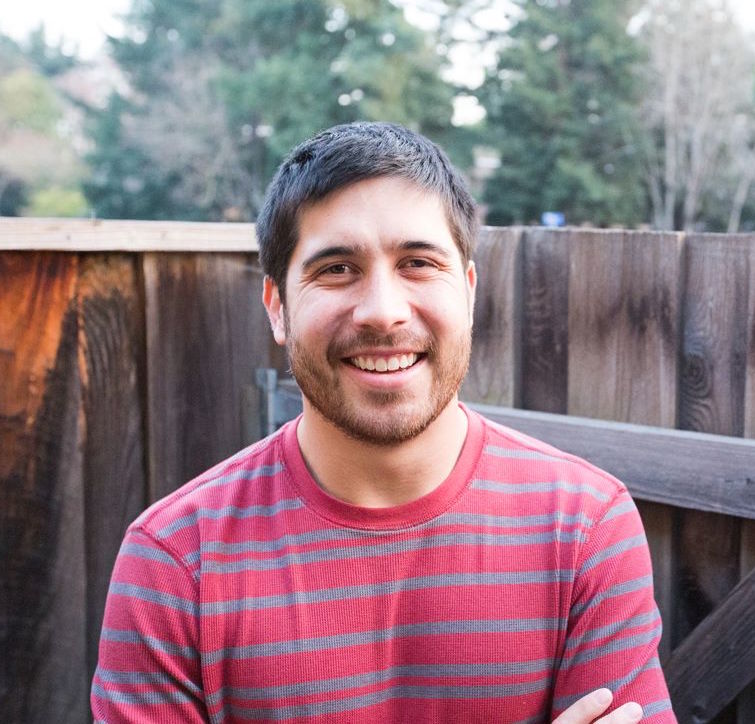
Clifton Roozeboom
Outstanding Young Mechanical Engineer
BSME, The University of Texas at Austin, 2009
MSME, Stanford University, 2013
Ph.D., Stanford University, 2015
Clifton Roozeboom is the founder and CEO of Myriad Sensors, Inc. a science technology company that makes a family of products, called PocketLab. Clifton received his Ph.D. and Master’s degrees from Stanford University and his Bachelor’s degree with Highest Honors from The University of Texas at Austin, all in mechanical engineering.
Clifton founded the company Myriad Sensors, Inc. in 2014. His career mission is to develop educational technology for students to explore the world around them and experience the joy of science and engineering. The initial motivation to develop PocketLab came from a Technology Venture Formation course at Stanford University. Myriad Sensors and the PocketLab products have won numerous awards, including the Stanford BASES Social Entrepreneurship Award, Yale School of Management Education Leadership Conference Grand Prize, and the ProtoLabs Cool Idea Award. PocketLab is in the collection of the New York Museum of Modern Art. Clifton has served as the Primary Investigator on grants with the National Science Foundation and the Department of Education to develop new hardware and software technology for science education applications.
Clifton’s Ph.D. research focused on micro-scale sensors for wireless sensor network applications. The research goal was to reduce the size, power, and cost of sensors to enable new applications in smart office buildings, environmental monitoring, and chemical gas sensing. His work received grants from Hewlett-Packard Labs, the NSF Center of Integrated Nanomechanical Systems, and the Chevron Corporation. Clifton earned the Sandia National Labs Excellence in Engineering Fellowship.
While a student at UT Austin, Clifton was actively involved with the Student Engineering Council as a member-at-large, vice president of finance, and president. Through his work, SEC introduced many new programs, including the Entrepreneurship Challenge, E-Waste Drive, and Chili Cook-off. The organization was awarded the Philanthropy Award by the National Association of Engineering Student Councils. Clifton restarted the UT engineering newspaper, The Vector, with three engineering friends. Clifton also worked as a student technician at Applied Research Labs in the Sonar Development Division on unmanned underwater vehicle projects.
Clifton has been married to his lovely wife, Nettie, since 2012. They met in a Dynamics Systems and Controls class when Clifton asked Nettie for help with his homework. They love running, skiing, and tailgating at UT and Stanford football games. Clifton and Nettie also enjoy volunteering with the Boys and Girls Club and Street Life Ministries. They live in Mountain View, California.
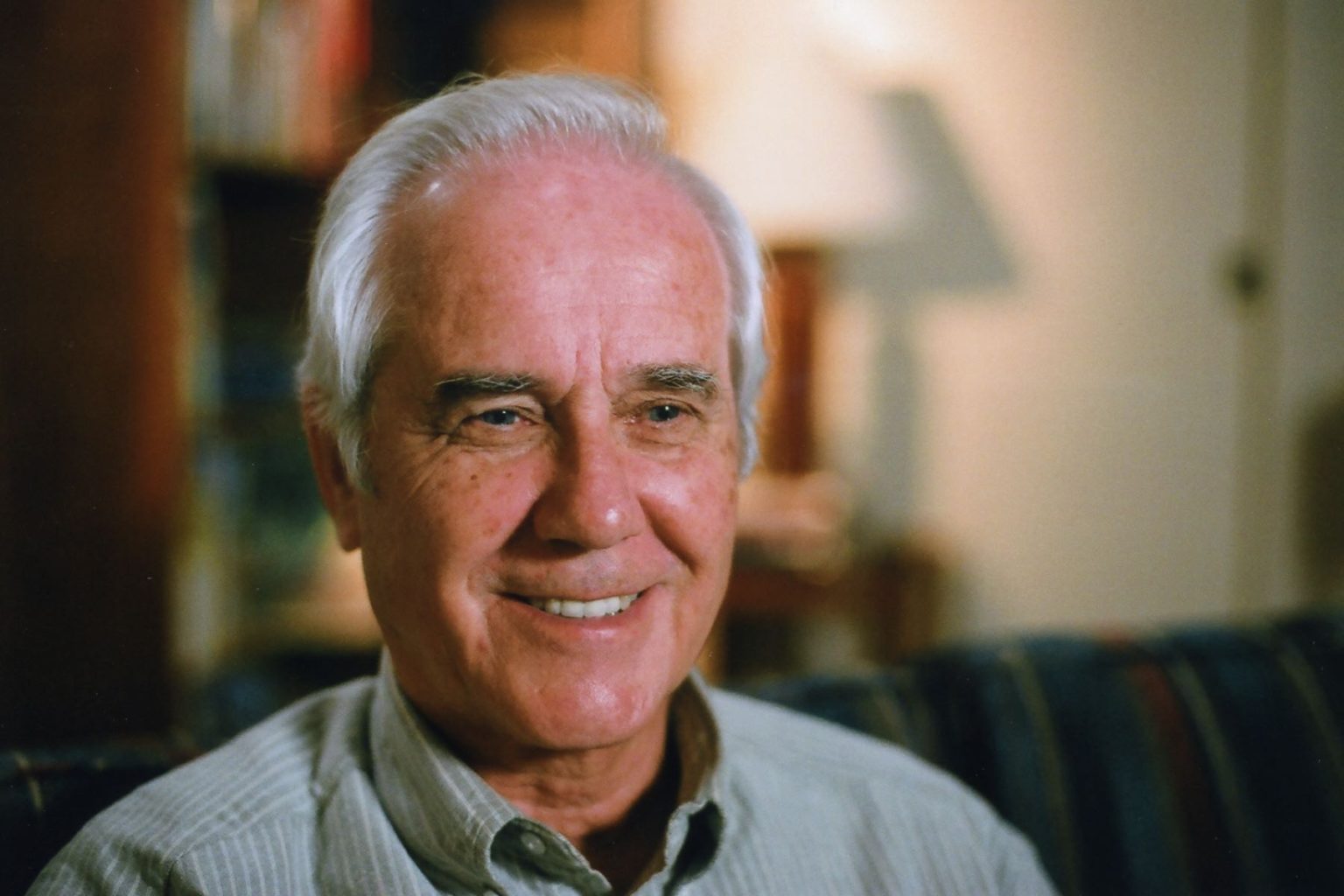
Gary Vliet
Honorary Mechanical Engineer
BSChE, University of Alberta, 1955
Ph.D., Stanford University, 1962
Gary Vliet was born in Alberta in 1933. One of his fondest childhood memories was living on a ranch at the foot of the Rockies and, for a period, attending a one-room schoolhouse with one teacher and nine students scattered over nine grades. He received a BS in Chemical Engineering at the University of Alberta in 1955, and his Ph.D. in mechanical engineering at Stanford University in 1962. After a ten-year career at Lockheed Research Laboratories in Palo Alto working mainly in thermal cryogenics for space applications, he joined the Department of Mechanical Engineering at The University of Texas at Austin in 1971. At UT he taught and researched in the areas of ‘thermal systems’ and ‘solar energy’ until retiring in 2005. He feels fortunate in having spent most of his career in the mechanical engineering department at UT and being associated with the ‘thermofluids’ group, who were congenial faculty colleagues and serious ‘educators’. Working with eager young people and congenial colleagues has been particularly rewarding. Some of his best recollections have been working with students groups: the Pi Tau Sigma ME Honor Society, two groups of students involved in Renewable Energy national competitions in the 1970s, and three national Solar Car Races in the 1990s. His three favorite classes were thermodynamics, heat transfer and solar energy. He began teaching a graduate/senior course in solar energy in 1975 and offered it each year until retirement. As for research, he feels most rewarded by work in solar energy and developing a several-year ‘Solar Radiation Database’ for Texas.
He has enjoyed retirement, which has permitted him and his wife to travel: Norway, New Zealand, China, Turkey, St. Petersburg and dog-sledding in Alaska! In addition, he’s had time to write two books, ‘Texas on This Day’ (history) and ‘Suzanne”, (history of a family member), and has served as an editor of our Department of Mechanical Engineering history volumes. As for hobbies, he much enjoys participating in the local Paleontology Society of Austin and offering hands-on science lessons to school children using ‘solar car kit materials’ he developed.
He has been happily married to his wife Donna (a two-degree Longhorn!), for 55 years and they have three children (all Longhorns!) and four grandchildren.