2013 Academy of Distinguished Alumni Announced
The Walker Department of Mechanical Engineering has announced the 2013 honorees of its Academy of Distinguished Alumni.
As a way of recognizing the accomplishments and careers of our outstanding alumni, the Walker Department of Mechanical Engineering established the Academy of Distinguished Alumni in 2004. The Academy’s purpose is to recognize high-achieving mechanical engineers from among the UT Austin community and from the engineering community at large, to champion the mechanical engineering profession and to build a strong community and facilitate interactions among our students, faculty, alumni and corporate partners.
This year’s honorees include:
Sara Brand
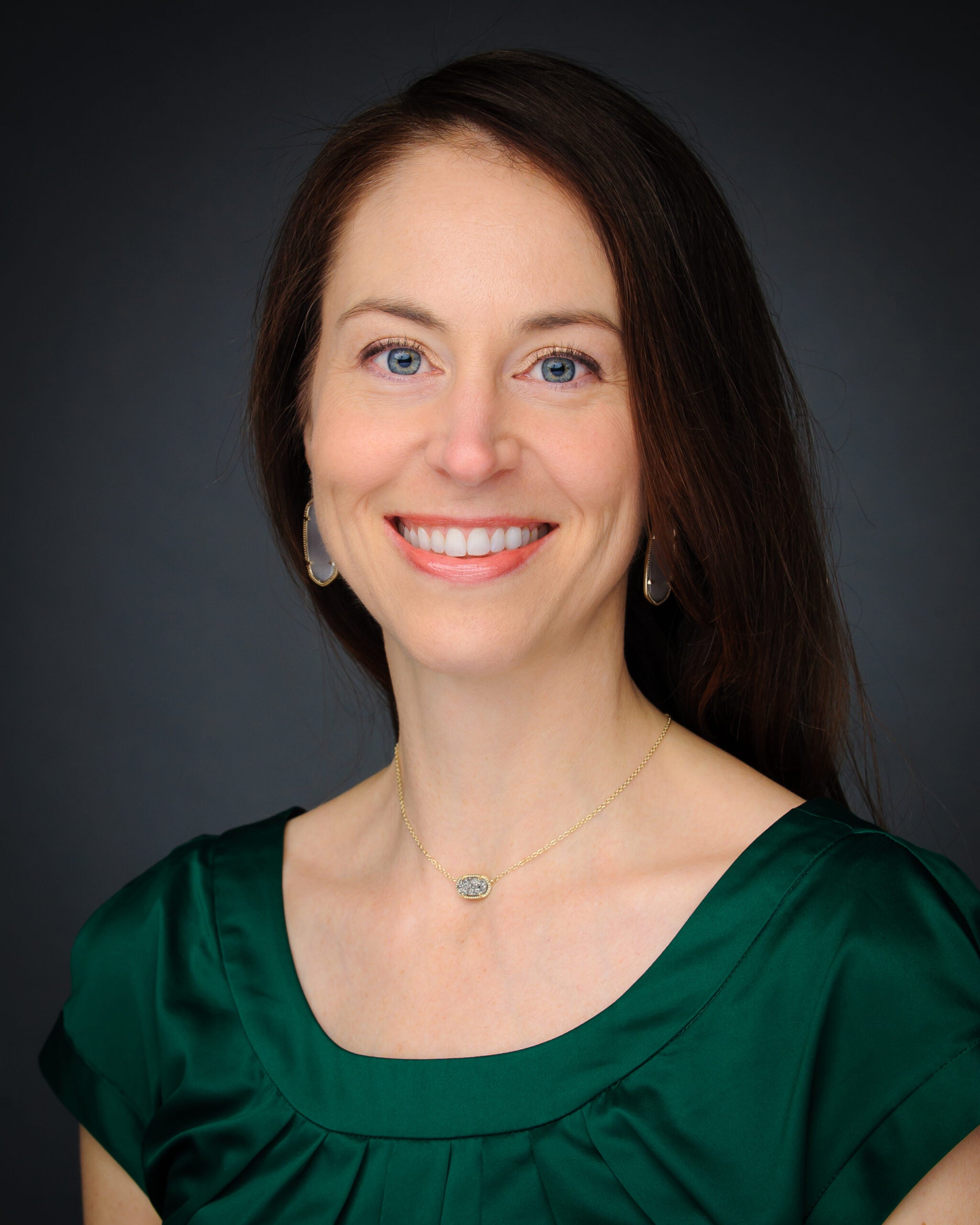
Outstanding Young Mechanical Engineer, 2013
B.S.M.E., The University of Texas at Austin, 1996
M.S.M.E., University of California at Berkeley, 1998
Ph.D., University of California at Berkeley, 2000
Founding general partner of True Wealth Ventures, Dr. Sara Brand started a venture capital fund based in Austin to invest in women-led businesses that are improving environmental and human health.
Before gathering the necessary skills to become an impact-based investor, Sara chose to study mechanical engineering, as she always liked to learn how things were made and how they worked. She considered mechanical engineering the “liberal arts” of engineering and wanted to gain a broad understanding during her undergraduate education to later inform what path she would pursue.
Sara became passionate about “greening” up the semiconductor industry given the environmental impact she foresaw electronics devices having during her lifetime. She continued her studies at U.C. Berkeley, receiving an MS and Ph.D. in mechanical engineering with a focus on green design and manufacturing, and a minor in public health and energy. She also received a Management of Technology Certification from Berkeley’s Haas School of Business.
She began her professional career at companies including Intel and Applied Materials, applying her skills toward technical roles within the semiconductor industry. Sara later realized that she wanted to better understand how business decisions were made in order to have a bigger impact on the environmental and technical developments occurring in the semiconductor industry at the time.
She joined McKinsey & Co. out in the San Francisco office, where the head of their semiconductor practice sat and addressed strategic challenges across the industry as a management consultant. From there she entered venture capital (VC) in Silicon Valley, where she helped manage a $150M fund. Sara immediately latched onto VC work, as it required a blend of her technical training: meeting with entrepreneurs who were thinking about how to solve the next big problems and helping portfolio companies with their business challenges. She knew this is where she could leverage her experience, skills and passions, and sought more operational experience before coming back to VC.
Sara spent 10+ years at AMD, which eventually brought her back to Austin. She worked directly for 3 Fortune 500 CEOs and their teams in strategic and operational capacities, running two different business units, and spending time on the other side of the VC equation – acquiring and integrating VC-funded companies into a much larger company.
During this same timeframe, Sara and her husband Kevin, also a UTME ‘96 grad, founded (512) Brewing Company. Their firsthand experience of starting a company with green principles from the ground up helped them develop it into the largest draught-only, self-distributing microbrewery in the United States.
Sara is now a passionate and active member of the entrepreneurial ecosystem that supports gender diversity in the consumer health and sustainability sectors. She serves on the Cockrell School of Engineering’s External Advisory Board and on the Texas Health Catalyst Panel at the UT Dell Medical School to foster health technology innovations across industry, academia and community.
Robert Ambrose
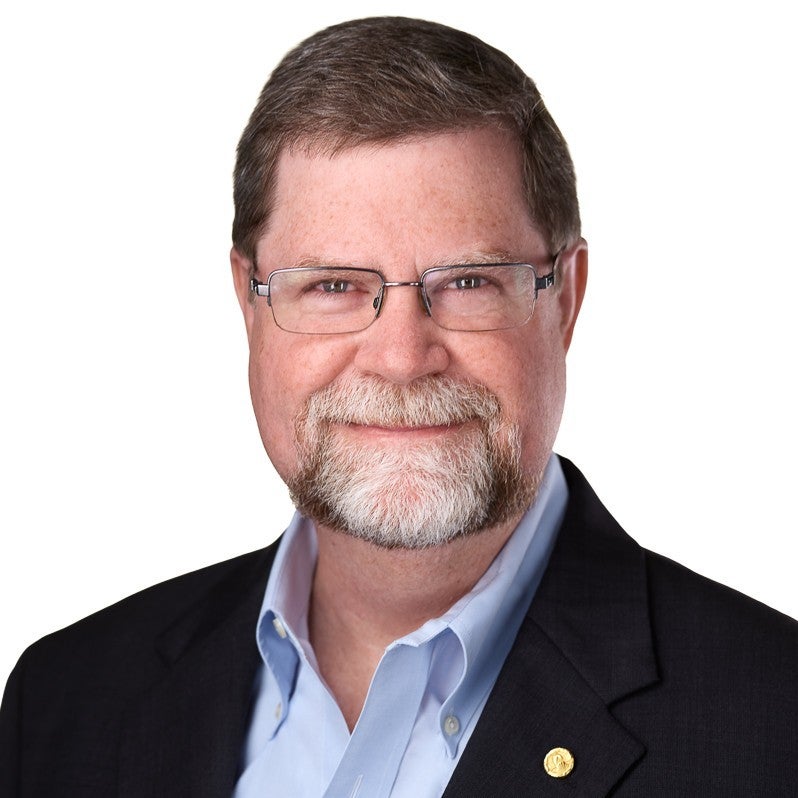
Distinguished Mechanical Engineer, 2013
B.S.M.E., Washington University St. Louis, 1986
M.S.M.E., Washington University St. Louis, 1987
Ph.D., The University of Texas at Austin, 1991
Dr. Robert Ambrose currently serves as the division chief of the Software, Robotics and Simulation Division at NASA’s Johnson Space Center in Houston, Texas, USA. The SR&S Division is responsible for flight spacecraft software, space robotics and system simulations for human spaceflight missions. Within the division are five branches, responsible for managing on-orbit robotic systems for the International Space Station, development of software for the Multi Purpose Crew Vehicle and future human spaceflight systems, simulations for engineering development and training, hardware and software GFE, hardware in the loop facilities for anomaly resolution and crew training, and the technology branch for development of new robotic systems.
Dr. Ambrose also serves as the principal technologist for NASA’s Space Technologies Mission Directorate, overseeing research and formulating new starts in the domains of robotics and autonomous systems. He co-chairs the NASA Robotics, Tele-Robotics and Autonomous Systems roadmap team, and is the robotics lead for the agency’s human spaceflight architecture study teams. Working with the U.S. Office of Science and Technology Policy (OSTP), Dr. Ambrose is the Technical Point of Contact for NASA’s collaboration in the National Robotics Initiative (NRI). He is married to Dr. Catherine G. Ambrose and lives in Houston, Texas.
Greg DeKunder
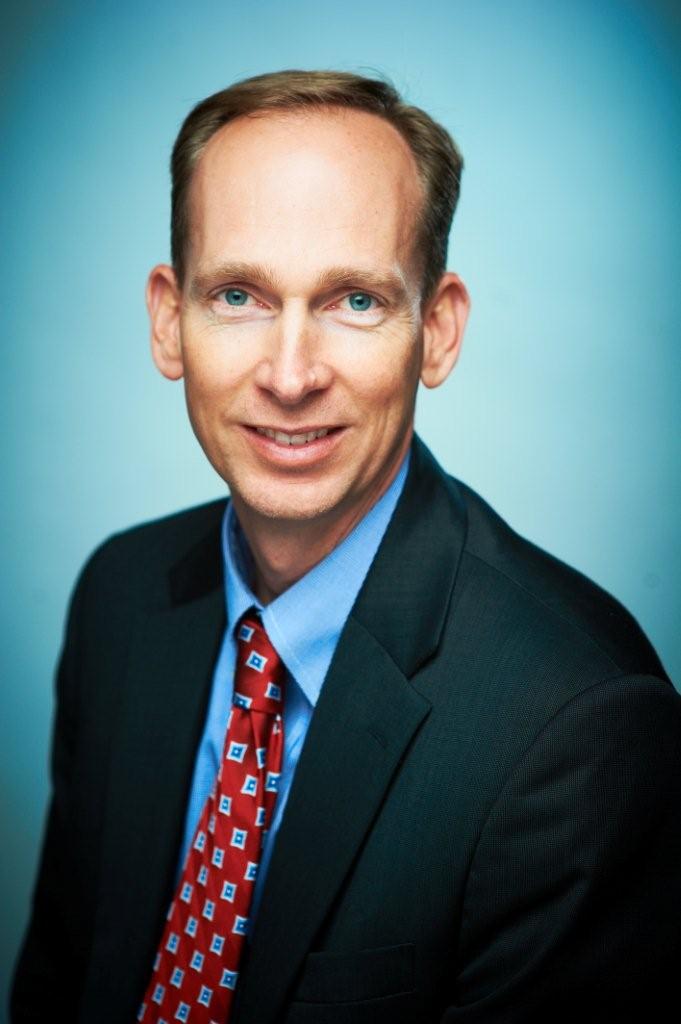
Distinguished Mechanical Engineer, 2013
B.S.M.E., The University of Texas at Austin, 1993
M.B.A., University of Houston – Clear Lake, 2001
Greg DeKunder studied mechanical engineering at The University of Texas at Austin from 1989 to 1993. He was named an Engineering Scholar in 1991, 1992, and 1993, as well as a General Motors Scholar in 1991 and 1992. Greg was also a member Tau Beta Pi, the National Engineering Honor Society. While attending the university, Greg enjoyed playing trumpet in the Longhorn Band. He graduated from UT Austin with highest honors.
After graduating, Greg moved to Houston and began his career with Fina Oil & Chemical as a Product Development Engineer. He worked in a polymer processing laboratory developing new applications for Polyethylene and Polypropylene in various end-use markets, including packaging, automotive and construction. From 1993 to 1997, he developed eight new products generating $65 million in revenue annually, wrote over 75 technical reports, and was granted a U.S. Patent (U.S. Patent Number 6,812,286). In 1998, Greg became the manager of Fina’s Technical Services group, where he was responsible for engineers and scientists who provide technical assistance to customers. While working in this role, Greg attended the University of Houston-Clear Lake, earning an MBA in 2001.
TOTAL, one of the five international oil majors, purchased Fina in 2001. Between 2001 and 2009, Greg held various marketing and management roles for TOTAL’s Plastics business in Houston. In 2009, he accepted a position in Brussels, Belgium, as vice president of TOTAL’s Styrene business, where he directed the global styrene monomer activity, representing over 1 million tons of production and $2.5 billion in turnover.
Greg returned to Houston in 2013 taking over responsibility for TOTAL’s basic chemicals business in North America. The business has an annual turnover of $5 billion with world scale assets including a 1 million ton flexible feed, steam cracker in Port Arthur, Texas and the world’s largest styrene production complex in Carville, Louisiana (1.2 million tons). Greg is also a member of the management committees of two joint ventures TOTAL has with BASF Corporation and Saudi Basic Industries (SABIC) in the United States.
Greg married Staci Althaus (UT BS, ChE, ’94) in 1995, and they have been blessed with three daughters. Greg enjoys playing soccer, snow skiing, and backpacking. The family enjoys traveling extensively in Europe and the United States.
Michael McShane
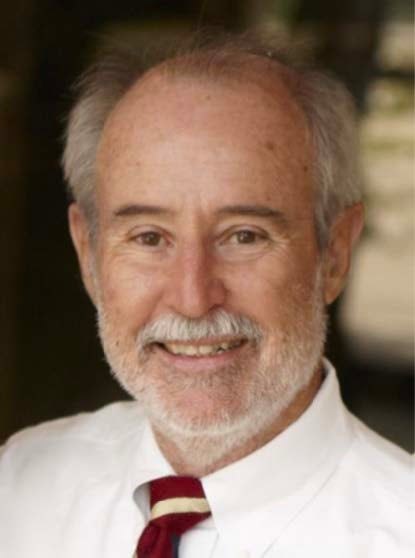
Mechanical Engineering Hall of Fame, 2013
B.S.M.E., The University of Texas at Austin, 1968
Michael B. McShane has more than 45 years of semiconductor experience. He has held numerous positions spanning intellectual property, design, development, semiconductor packaging, and worldwide manufacturing at Motorola/Freescale for the past 38 years. He retired as the leading technologist of their Intellectual Property Licensing Team.
McShane is a Life Fellow of the Institute of Electrical and Electronic Engineers (IEEE) and was the general chairman of the 2002 IEEE Electronic Component and Technology Conference. He was also the Microelectronic Packaging Technologist of the Year in 2001 and a member of the board or directors of the IEEE Components, Packaging, Materials and Technology Society. His Motorola recognitions include Patent of the Year in 2000, Master Innovator in 2003 and member of the Science Advisory Board. He has made 15 international conference presentations and published 20 papers, technical reports and articles on microelectronic packaging.
McShane’s first patent was issued in 1969. Since then, he has authored a total of 53 issued U.S. Patents relating to semiconductor packaging and assembly with the most recent being issued earlier in 2017. He currently has more than 20 U.S. patent applications pending. Notable among these patents is the Integrated Circuit Ball Grid Array Package U.S. 5,216,278 with 39 billion packages made by the worldwide semiconductor industry in 2016. Most modern smart phones today use at least 5 from this miniature integrated circuit semiconductor package.
He is active in the community, is a current member and recently retired as vice president of the board of directors of The Friends of Big Bend National Park. He is a distance runner and has run all 40 of the Austin Capital 10Ks starting in 1978. In addition, he has run 26 full marathons and hopes to run another one at the age of 75. Michael is active and supports the Department of Mechanical Engineering with the Women in Engineering Program.
He is married to Susan D. Madere and has three sons, Michael, Christopher and John, as well as four grandchildren.
Denise Elston
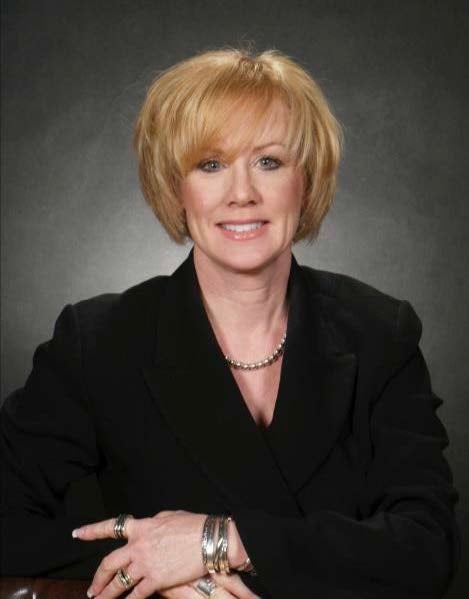
Honorary Mechanical Engineer, 2013
B.S.M.E., University of Houston, 1985
Denise Elston was born in East Orange, New Jersey, a suburb of NYC. At a young age, her family moved to Houston, where her father worked in chemicals trading. She was raised on the west side of Houston and attended Westchester High School. While working full time, Denise attended the University of Houston, was involved in ASME, and was president of Pi Tau Sigma. She was awarded several academic scholarships, including one from the Gas Processors association, where her father was in the audience. She received her BS in Mechanical Engineering in 1984.
In January 1985, she began her career with Shell Oil Company at the Deer Park Manufacturing Complex as plant engineer, where she supported chemical units in a 24/7 operation. Denise then moved into a projects engineering role, delivering refinery/chemical plant improvements of over $100 million.
In 1994, Denise was promoted to operations manager for a Liquid and Solid Resins unit and Environmental reclamation plant. They had 24/7 operations, and she was accountable for 70 employees regarding safety, environmental, quality, and profit/loss performance. In addition, she led and participated in teams to reorganize site operations to align with the globalization of the chemicals business.
In 2001, Denise accepted an engineering manager role in Chemicals R&D, working on the embryonic stages of projects with staff based in Houston and Amsterdam. This was followed by a role in 2005 where she led the development and globalization of engineering assurance processes for projects that crossed all lines of businesses. She set up offices in the U.S., the Netherlands, Malaysia, India, and Canada. It was in this role that Denise impressed the Upstream E&P Projects organization and was offered a general manager assignment working on North American projects in offshore Alaska, the Gulf of Mexico, oil shale, oil sands, LNG, and the unconventional business. In 2009, Denise was named general manager-facilities engineering in New Orleans, designing and building offshore platforms for deep water application. In 2010, she was awarded the National ASME Fredrick W. Taylor Award– cited for distinguished work in the field of engineering management. The Frederick W. Taylor Award is named after the 25th president of ASME, who was known as the “father of scientific management”.
Denise was recruited in 2011 to become the vice president of safety, environment and sustainable development for the Upstream Americas business. In this role, she was responsible for 400 employees to improve overall focus on safety and the environment, along with sustainable development for projects and new country entries to maintain Shell’s license to operate. In 2013, having achieved financial independence, she retired from Shell.
Throughout her career, Denise believed in serving the community by serving on the UT ME External Advisory Committee and the 35-in-5 Women in Mechanical Engineering Committee. She was a member of the Engineering & Construction Contracting Executive Board, and a member of the ASME Global Engineering Managers Conference Advisory Board. During her time with Shell, she created and led a mentoring circle for working moms and an angel network of women helping women.
Denise has been married to her soulmate Rob for 26 years and has three boys, ages 20, 22 and 24. In retirement, Denise started a consulting firm, and a small business focused around her love of antiques & home décor. She enjoys traveling and spending time at their house in the mountains in Utah.
Kenneth Ball
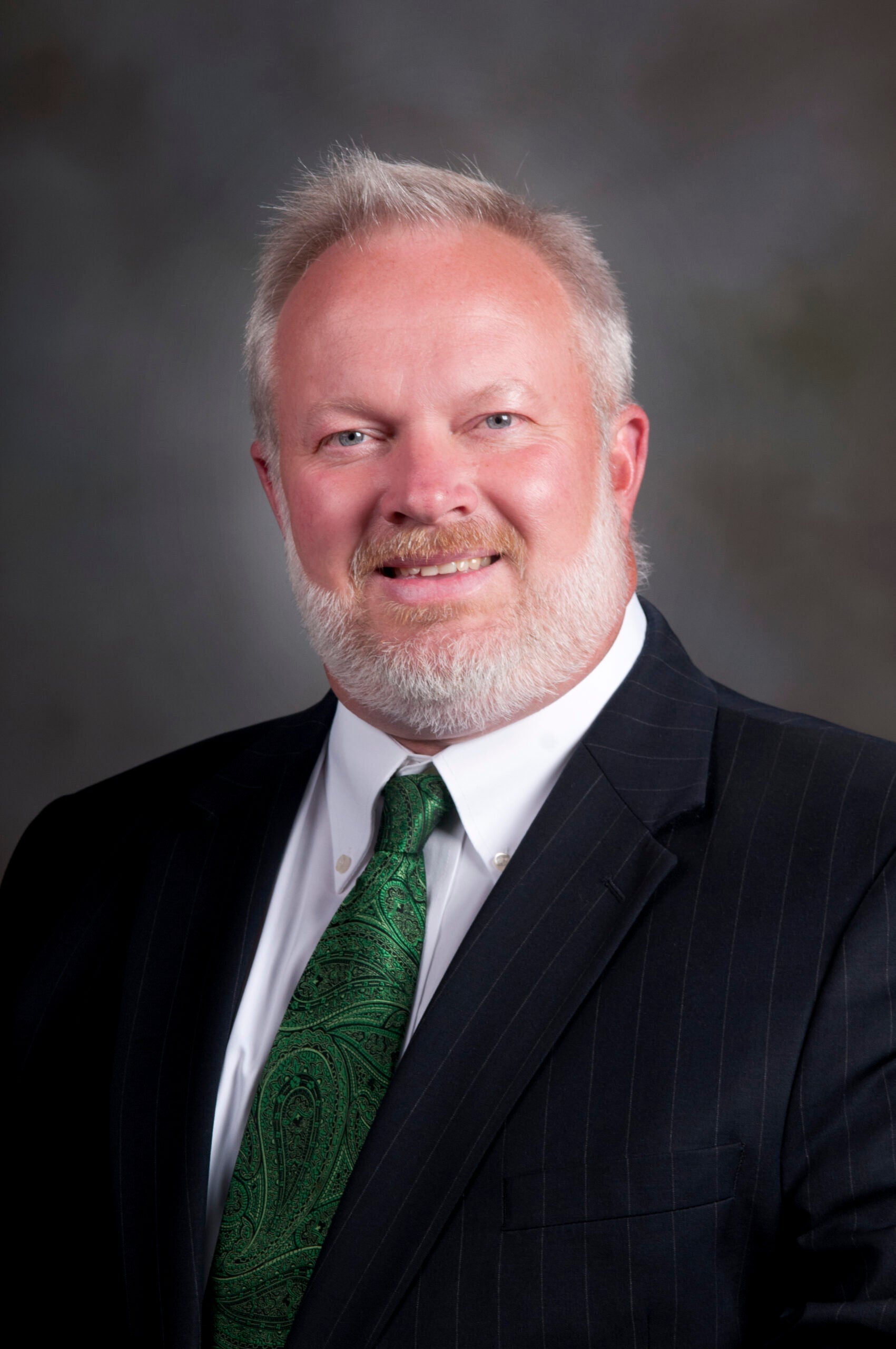
Honorary Mechanical Engineer, 2013
B.S.M.E., Lehigh University, 1982
M.S.M.E., Drexel University, 1984
Ph.D., Drexel University, 1987
Dr. Kenneth S. Ball is Dean, Volgenau School of Engineering (VSE) at George Mason University in Fairfax, Virginia, appointed in August 2012. He oversees a school comprised of eight academic departments, two multi-disciplinary academic programs, six research centers, and numerous laboratories. VSE employs approximately 200 full-time and 175 part-time faculty members, more than 300 staff members, and over 7500 students (approximately 20% of Mason’s total enrollment of 36,000 students). New programs proposed, developed, and approved under Ken’s leadership include Bachelor’s degrees in mechanical engineering and cybersecurity engineering; Master’s degrees in data analytics engineering and biostatistics; and the Ph.D. in bioengineering. Total student enrollment in VSE has grown over 70%.
Ken previously served as the L.S. Randolph Professor and head of the Department of Mechanical Engineering at Virginia Tech from 2004-2012, and was Temple Foundation Endowed Faculty Fellow in Engineering and professor of mechanical engineering at The University of Texas at Austin from 1989-2004. Prior to joining the faculty at UT Austin, Ken was a post-doctoral research associate in applied mathematics at Brown University. Ken is recognized internationally for his research in computational fluid dynamics and heat transfer. He has chaired three international conferences and is a past associate technical editor of the ASME Journal of Heat Transfer. He has published more than 100 technical articles and has obtained funding in excess of $20M for research projects and program development in engineering, with applications in biomedical engineering, semiconductor manufacturing and materials processing, nuclear systems, non-proliferation of weapons-grade plutonium and special nuclear materials, homeland security and counter-terrorism.
Ken is a registered professional engineer in the State of Texas, a Fellow of ASME, an Associate Fellow of AIAA, and an active member of ASEE and numerous other professional organizations. He is also very active in engineering program assessment and accreditation activities, both in the U.S. and internationally, particularly in the Middle East. He is an ABET Program Evaluator and a Commissioner on the Engineering Accreditation Commission, and has participated in numerous conferences and workshops related to engineering education and program accreditation. In 2012, he was awarded the Edwin F. Church Medal by ASME for “eminent service in increasing the value, importance, and attractiveness of mechanical engineering education.”
Ken and his wife Sandy have four sons: Steven, Owen, Aidan, and Colin. They were all born in Austin, and are proud Texans and avid Longhorn fans. They are all also engineers! Steven earned a BS in bioengineering from Lehigh University in 2014 and a MS in bioarcheology from George Mason University in 2017. Owen earned a BSME from the U.S. Naval Academy in 2015 and a MS in bioengineering from the University of Maryland at College Park in 2015. Aidan and Colin will earn their BSME degrees from the U.S. Naval Academy in 2018.
John Howell
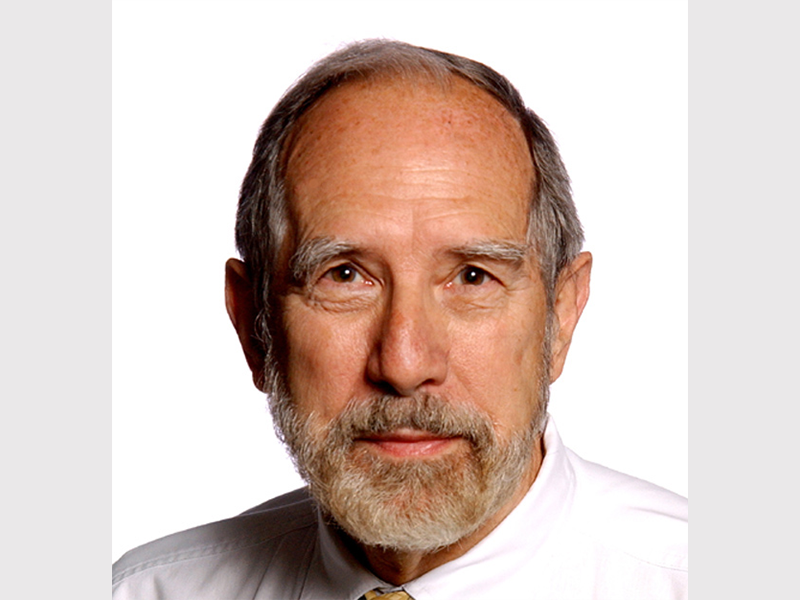
Honorary Mechanical Engineer, 2013
B.S.ChE., Case Institute of Technology, 1958
M.S.ChE., Case Institute of Technology, 1960
Ph.D., Case Institute of Technology, 1962
Jack Howell began his career at the Advanced Research Institute of the NASA Lewis (now Glenn) Research Center in Cleveland, Ohio, where he performed studies on reduced gravity boiling and radiation heat transfer (1961-68). During this period, he also served on detached duty from the US Air Force for three years. While working at NASA, he pioneered the use of the Monte Carlo method for analysis of radiative heat transfer in complex systems that contain absorbing, emitting and scattering media. He received a NASA Special Service Award (1965) for this work. His textbook Thermal Radiation Heat Transfer (coauthored with Robert Siegel), first published in 1972 and based on a series of NASA publications, is the classic work in engineering radiative transfer, and has been translated into German, Russian, and Chinese. It is now in its sixth U.S. edition (2015) and is used as the standard text and reference worldwide.
Deciding on a teaching/research career, he joined the faculty at the University of Houston for 10 years. He moved to the ME Department at UT Austin in 1978. Before retirement from UT Austin in 2010, he served as ME department chair, associate dean for research, and as director for two research centers. He also served as program director of the thermal transport and thermal processing program of the National Science Foundation in 1994-1995.
He is a member of the U.S. National Academy of Engineering, elected, 2005; foreign member, Russian Academy of Sciences, elected 1999; honorary member, American Society of Mechanical Engineers; fellow, American Institute of Aeronautics and Astronautics. He has been given many awards for his work in heat transfer, including the Max Jakob Award, ASME/AIChE, 1997 for ”…contributions in the development and application of theoretical methods for predicting radiative transfer”; the Heat Transfer Memorial Award, ASME, 1991 for “…significant research contributions, notably in the areas of radiation heat transfer, Monte Carlo techniques, and solar energy phenomena, and for his contributions to engineering education”; Thermophysics Award, AIAA, 1990, “for outstanding contributions to thermophysics with specific reference to his application of the Monte Carlo method to radiative transfer”; Ralph Coats Roe Award, ASEE, 1987, for being “an outstanding teacher of mechanical engineering who has made notable contributions to the engineering profession”; Poynting Award, Journal of Quantitative Spectroscopy and Radiative Transfer, 2013, for “life-time contributions and achievements of a scientist who has made a landmark impact on the radiative transfer research and its applications”.