
2009 Academy of Distinguished Alumni Announced
The Walker Department of Mechanical Engineering has announced the 2009 honorees of its Academy of Distinguished Alumni.
As a way of recognizing the accomplishments and careers of our outstanding alumni, the Walker Department of Mechanical Engineering established the Academy of Distinguished Alumni in 2004. The Academy’s purpose is to recognize high-achieving mechanical engineers from among the UT Austin community and from the engineering community at large, to champion the mechanical engineering profession and to build a strong community and facilitate interactions among our students, faculty, alumni and corporate partners.
This year’s honorees include:
Stacey Genovese
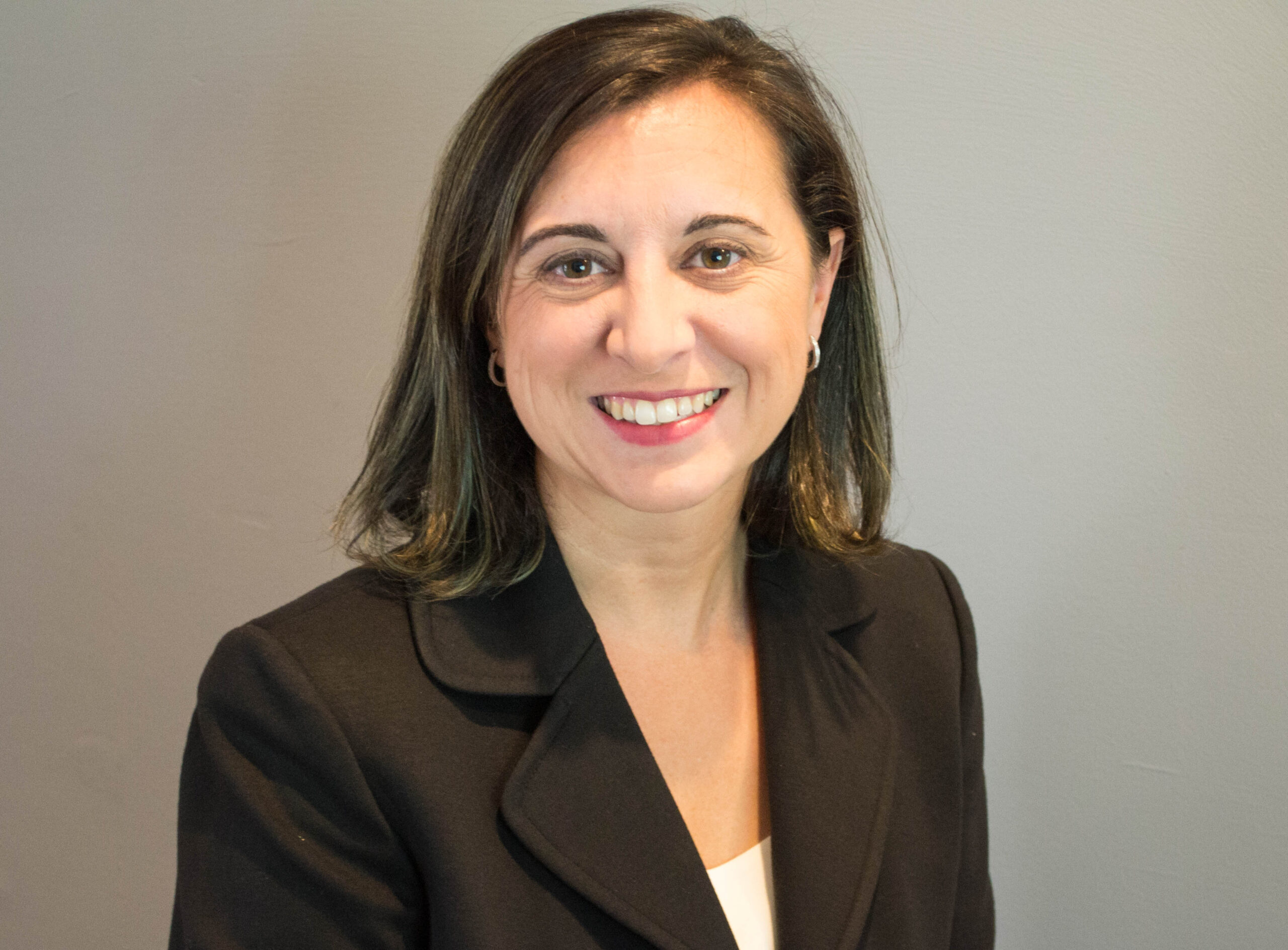
Outstanding Young Mechanical Engineer
BSME, Polytechnic University, 1996
MSME, The University of Texas at Austin, 1998
Stacy Genovese grew up in Howard Beach, New York and attended Polytechnic University in Brooklyn, New York, where she earned her BSME in 1996. She then attended UT, where she earned her MSME in 1998.
Upon graduating from UT Austin, Stacy began her career at General Electric (GE) – Aviation in Lynn, Massachusetts. During her five years with GE, she designed control systems for turbofan and turboshaft jet engines, some of which included the F414, which powers the F/A-18E/F SuperHornet, and the T700, which powers a variety of military helicopters, including the AH-1 SuperCobra. She also worked on control systems for civilian turbojets, including the CF34-8, which has more than 7,500 engines in service powering regional jets. In addition to designing control systems, Stacy also was part of the team that qualified the CF34-8 for FAA approval and conducted real-time engineering testing aboard GE’s Flying Test Bed (FTB) and at GE Aviation’s engine testing site in Peebles, OH.
After leaving GE, Stacy starting working for Northrop Grumman in Bethpage, New York, where she led the integration of a new Rolls Royce engine and control system used on the E-2D Advanced Hawkeye. In this role, she was the primary interface with Rolls Royce, Northrop Grumman, and the customer (NAVAIR).
From an early stage of her career, Stacy always had a desire to work for Good Housekeeping at their lab in mid-town Manhattan. In 2005 the opportunity became available and Stacy took a position as director of engineering for the Good Housekeeping Research Institute (GHRI). GHRI is the country’s foremost consumer product evaluation laboratory. In this position, she oversaw the testing of consumer products that would be considered to earn the Good Housekeeping Seal and for inclusion in Good Housekeeping magazine.
After holding this position for five years, she was promoted to technical director of GHRI, and was the first woman to hold this position in the laboratory’s 100+ year history. As technical director, Stacy oversaw not only the Consumer Electronics and Engineering Department, but also the five other departments ranging from Health and Beauty to Kitchen Appliances. In addition to her technical duties, Stacy could frequently be seen in the magazine and on TV, where one of her most notable appearances was on the Conan O’Brien show.
Stacy and her husband Skip, along with their two sons, Ian and Mark, enjoy life on Long Island.
Lee Leffingwell
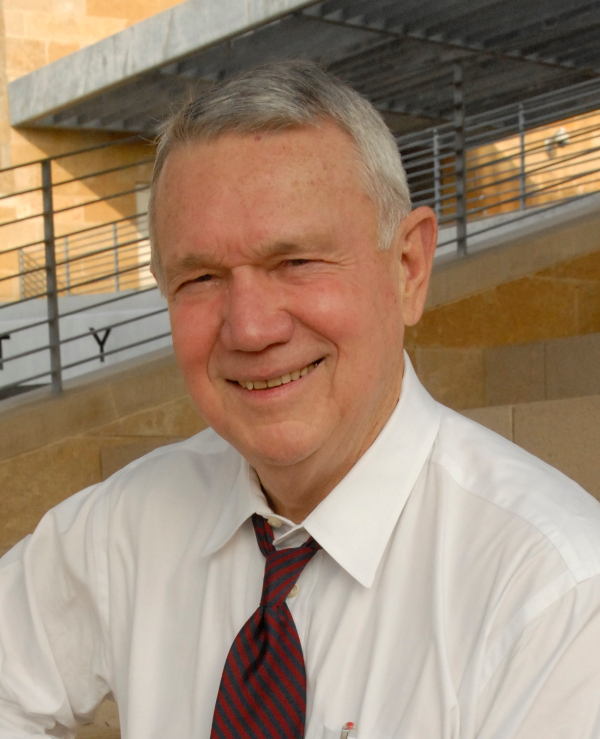
Distinguished Mechanical Engineer
BSME, The University of Texas at Austin, 1961
A native Austinite, Lee Leffingwell graduated from Travis High School. His parents were both native Texans and public servants in Austin. His mother worked for The University of Texas Admissions Department and his father was a Deputy Sheriff for Travis County.
After graduating from The University of Texas at Austin with a degree in mechanical engineering in 1961, Lee served on active duty in the United States Navy as an officer and a pilot in the Vietnam War. After five years of active duty, he continued to serve as a pilot in the U.S. Navy Reserves, retiring at the rank of Commander with 20 years total active and reserve service.
He was employed with Delta Air Lines for almost 32 years as a pilot and flew as captain on domestic and international routes on several aircraft, including the Boeing 767 and MD-11. He also served as a proficiency and line check pilot and as a manager in the Flight Training Department for several years.
After retiring from Delta, Lee was appointed to the City of Austin’s Environmental Board, serving as board chair for several years. He was elected to the Austin City Council in 2005 and re-elected in 2008, and served in Place 1 until 2009.
When Lee was elected Mayor of Austin in 2009 and re-elected in 2012, the nation was facing a major economic recession. He made it his mission to pilot the city through economic and financial turbulence by focusing on the fundamentals. He helped make Austin’s economy one of the strongest in the nation by focusing on targeted business recruitment and job creation.
He championed many regional transportation and infrastructure projects. He was a strong advocate for the City’s veterans’ programs, for which the City of Austin received the Freedom Award from the U.S. Department of Defense. He also established the Commission for Seniors to address issues associated with aging populations.
Lee was the recipient of many awards during and after his public service. For the year 2014, The Austin Chamber of Commerce named him the Austinite of the Year, the Greater Austin Asian Chamber of Commerce named him Outstanding Community Leader, the Real Estate Council of Austin gave him the annual Community Service Award, and he received the State of Texas Veterans Commission Leadership Award.
In 2015, he received the Polly Scallorn Community Trustee Award from Leadership Austin, and in 2017, he received the Lady Bird Johnson Humanitarian Award from the central Texas chapter of the American Red Cross.
Lee is married to Julie, a registered nurse, and has two grown children and five grandchildren.
Arthur Ratzel
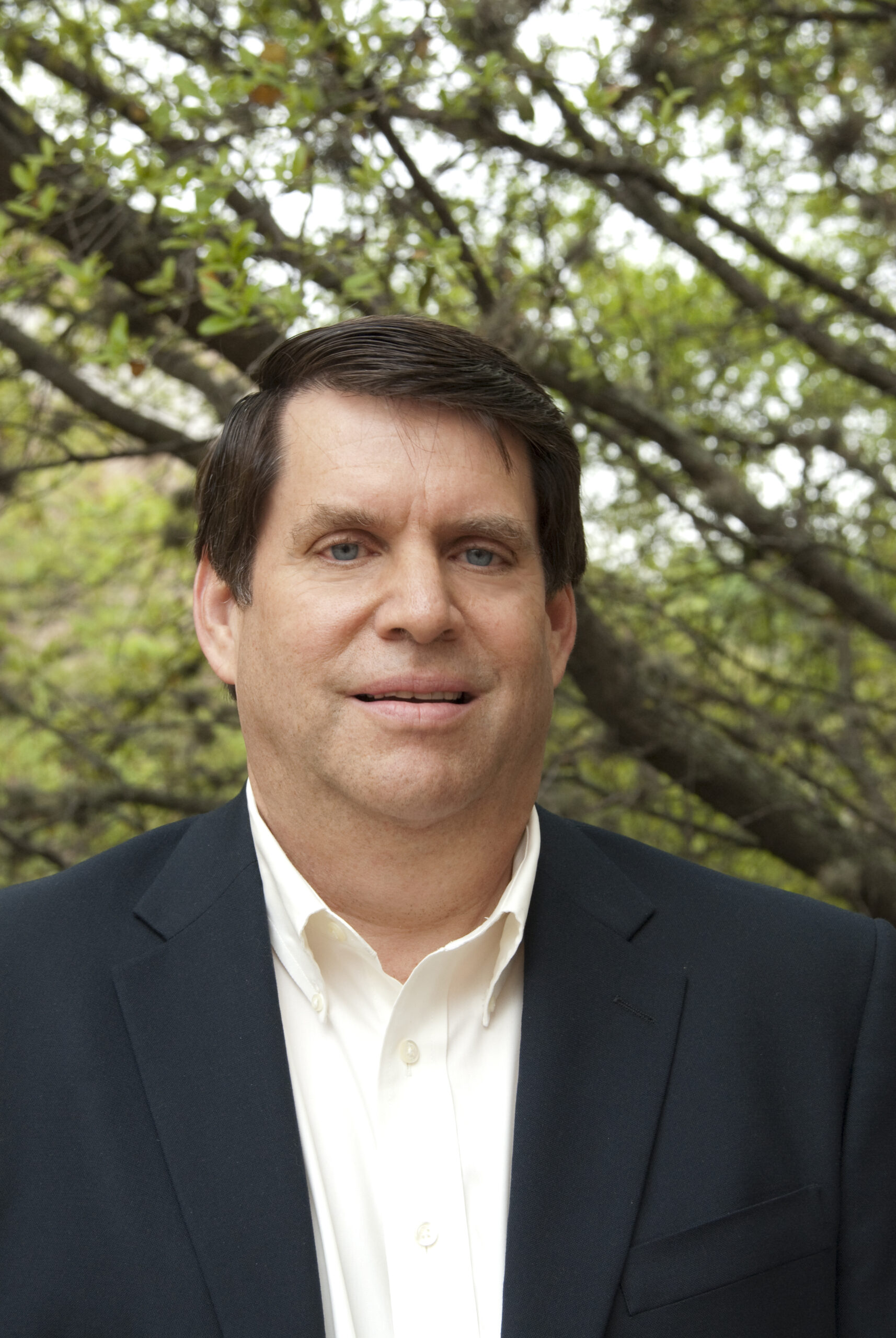
Distinguished Mechanical Engineer
BSME, University of Houston, 1974
MSME, University of Houston, 1976
Ph.D., The University of Texas at Austin, 1981
Dr. Arthur (Art) C. Ratzel III was destined to be an engineer. As a young boy living in New Jersey, he shadowed his dad, the lead engineer/chief estimator at Todd Shipyards, exploring cruise and cargo ship engine rooms. Art’s family moved to La Marque, Texas in 1965; there he met his soulmate, Alde Tholen, whom he married in 1974. While a high school and college student, Art explored engineering career opportunities through summer work as a draftsman and as a technician/engineer at Todd Galveston and at the Texas City Amoco (BP) refinery. He joined a thermal-fluids technology group at Sandia National Laboratories (SNL), in Albuquerque, New Mexico after graduating from the University of Houston in 1976 with his MSME. In 1979, Art was selected to participate in the Sandia Doctoral Study Program; he completed his Ph.D. at The University of Texas at Austin in 1981, supervised by Dr. J. R. Howell. Art returned to SNL after his Ph.D. and retired in 2014 after 38 years of service.
Art’s technical work at SNL spanned research and development (R&D) for multiple national security (NS) programs including: innovative solar collector design, computational tool development for nuclear reactor safety, thermal calorimetry development for underground nuclear weapons (NW) testing, and development of explosive discrimination systems for the Strategic Defense Initiative (SDI). Beyond his NS work, Art also was a key contributor in several nationally significant accident investigations, including: Three Mile Island Nuclear Reactor, Columbia Shuttle, and TWA-800 accidents. Art supported efforts to stop the Macondo well oil flow after the Deepwater Horizon accident, providing leadership for NNSA-DOE Lab efforts teaming with BP, for which he received a DOE Secretary of Energy Achievement Award in 2011.
Art transitioned to technical management in engineering sciences in 1990, overseeing thermal, fluids, and aero-sciences R&D activities. From 2003 to 2005, Art served as chief of staff to the SNL NW Program, working with SNL and NNSA leadership and Congressional staff. Art was promoted to director of engineering sciences in 2005. Art’s leadership of his 300+ staff advanced development/utilization of engineering mechanics computational tools and enhanced SNL’s engineering mechanics experimental capabilities. Art completed his career at SNL as director of the facilities management and operations center, responsible for facilities and physical infrastructure across all of Sandia. In this role, Art led efforts to fund and complete significant NS-critical building renovation/repurposing efforts and to sustain SNL’s aging infrastructure while reducing costs.
Art led SNL’s mechanical engineering (ME) Ph.D. recruiting at UT Austin from 1990-2009. He helped lead Sandia’s UT Campus Executive Program and supported SNL’s strategic partnership with the UT System. Art served on UT’s ME External Advisory Panel for 10 years (1999-2002; 2003-2011) and was a member of the Board of Visitors for UT’s Institute for Computational Engineering and Science (ICES) from 2011-2014.
Art and his wife, Alde, are enjoying their retirement, splitting time between NM and CA. They travel often to see new places both abroad and in the U.S., and to be with their children and grandchildren scattered across the U.S. With family still in Texas, they also enjoy visits to their Texas roots, and especially to the Hill Country.
Philip Schmidt
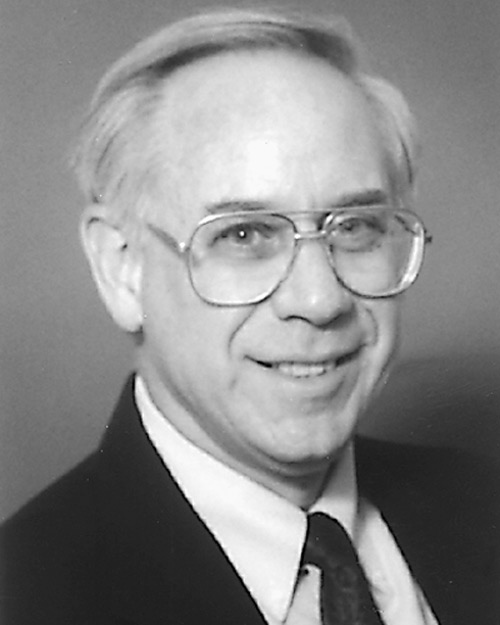
Honorary Mechanical Engineer
BSAA, Massachusetts Institute of Technology, 1962
MSME, Stanford University, 1965
Ph.D., Stanford University, 1968
After earning his BS in Aeronautics and Astronautics at MIT in 1962, Phil Schmidt joined Bell Helicopter Division of Textron as an aerodynamicist. In 1964, wishing to broaden his career horizons, he enrolled in graduate school at Stanford University, earning his Ph.D. in mechanical engineering in 1968. After teaching for two years at Prairie View A&M College as a Woodrow Wilson Teaching Fellow, he joined the UT Austin Department of Mechanical Engineering faculty in 1970.
During his 43 years at UT, Phil taught undergraduate and graduate courses in the area of thermal-fluid systems and carried out research focusing on industrial energy conservation and electro-thermal process engineering, particularly industrial application of microwave and radio-frequency heating and drying. He published over 75 articles in peer-reviewed journals and conference proceedings, authored four books, and was issued two patents. He served in a variety of consulting positions with corporations and federal and state energy advisory commissions, and saw administrative service as associate dean of graduate studies (1978-81) and ME associate chair for undergraduate program development (2000-2010).
After a research leave in 1981-82 with the Electric Power Research Institute, Phil founded the Process Energetics Program in the Center for Energy and Environmental Studies, and directed the program until 2010. In 2000, he initiated a major curriculum reform effort in the ME department entitled PROCEED (Project-Centered Education) and served as director of the program until his retirement in 2013.
Phil’s top priority was teaching, and he received numerous teaching awards throughout his career. These include, most notably, Texas Professor of the Year from the Carnegie Foundation for the Advancement of Teaching (1994), selection as an inaugural member of the Academy of Distinguished Teachers at UT Austin (1995), the Regents’ Teaching Excellence Award (2009), and the Chancellor’s Council Outstanding Teaching Award (2010). In 2010, Phil was honored to receive the Chester F. Carlson Award from the American Society for Engineering Education, the Society’s highest lifetime achievement award for innovation in engineering education. In 2013, PROCEED was cited by the National Academy of Engineering as an exemplary program for incorporating real-world experiences into undergraduate engineering curricula.
Phil has been an active advocate for increased participation of minorities and women in engineering education. Upon joining the UT faculty after completing his two-year post-doctoral commitment at Prairie View A&M, he and Dr. Tom Edgar of the chemical engineering department started the UT Equal Opportunity in Engineering Program and co-directed the program until a full-time director was hired in 1973. Subsequently, he initiated and directed the UT MITE (Minority Introduction to Engineering) summer program for high-school students, sponsored the formation of Pi Sigma Pi, the minority engineering academic society, and participated actively in various mentoring programs for young women. He was recognized by the Women in Engineering Program as a recipient of the Women’s Advocate Award in 2011.
Since his retirement in 2013, Phil has continued promoting young people’s interest in science and engineering through volunteer mentoring activities with schools and museums in Austin and Denver, Colorado, where he and his wife, Donna, spend the summer months.
Phil and Donna celebrated their 50th anniversary in 2016. They enjoy spending time with their children, Allan and wife Shari in Plano, Danny and wife Carrie in Austin, and Lauren and husband David in Denver, and especially doting on their four grandchildren, Mira, Maizy, Maya, and Jacob.
Glenn Staats
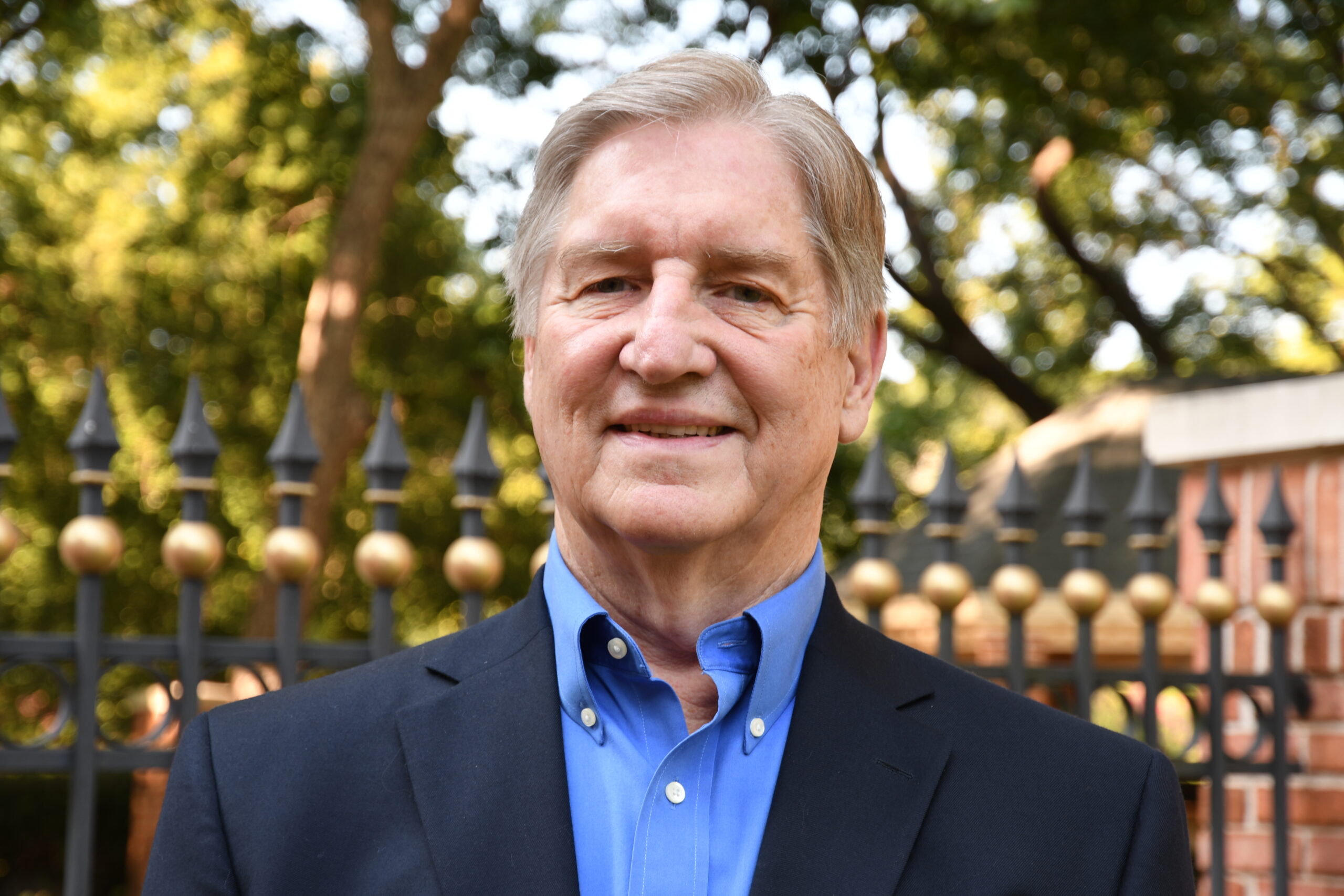
Mechanical Engineering Hall of Fame
BMath, The University of Texas at Austin, 1966
MSME, The University of Texas at Austin, 1968
Ph.D., The University of Texas at Austin, 1970
During his career, Dr. Glenn Staats was the founder, chairman and chief executive officer of several companies, focused on his expertise in computer science, operations research, and the automotive parts distribution industry. This work expanded over time to include the Internet, artificial intelligence, and the acquisition, storage, and analysis of extremely large quantities of data.
Dr. Staats served as a faculty member at the University of Missouri-Columbia from 1970 until 1976. He was a tenured member of the graduate faculty and served as the director of graduate studies in his department from 1973 until he left Missouri to start Cooperative Computing, Inc. The company grew to approximately 1,800 employees and was sold in 2007. His next venture, Internet Auto Parts, was sold in 2011. It brokered sales of approximately $800 million the year it was sold.
Dr. Staats has served on nine corporate boards of directors and has produced over 100 professional publications and presentations. In 1997 he was named Entrepreneur of the Year in Central Texas.
Presently, Dr. Staats is involved in the development, operation, and funding for startup companies. These companies are involved in applying artificial intelligence, computer science, data visualization, and the Internet to enhance businesses in various industries. At present there are four startups in various stages of development. In addition, Dr. Staats and his wife own and operate one of the largest cow-calf ranches in the Texas Hill Country.
His dedication to The University of Texas continues through his service on the Chancellor’s Executive Advisory Committee and ongoing support of Phi Beta Kappa, Tau Beta Pi, the Silver Spurs, and Longhorn Athletics (he has been a Football Suite holder since 1998).
J. Mike Walker
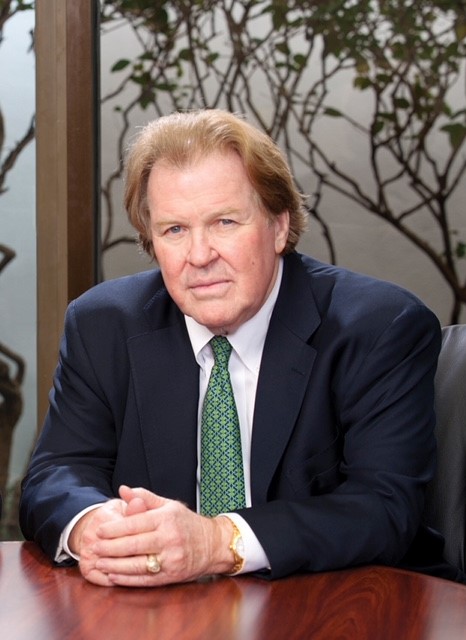
Distinguished Mechanical Engineer
BSME, Texas A&M University, 1966
MSME, The University of Texas at Austin, 1968
Ph.D., Texas A&M University, 1974
J. Mike Walker was born on May 22, 1943 in a two-room log cabin east of Huntington, Texas. He attended school at Huntington, where he graduated in 1961 as the class valedictorian, played on two UIL state championship basketball teams, set a county scoring record, and played in the UIL state all-star game. Upon graduation, he attended Kilgore College on a basketball scholarship, but quit sports after one semester to concentrate on engineering. He then attended Stephen F. Austin State University and later Texas A&M University, where he graduated with a BSME degree, and was ranked number 1 in the ME graduating class. After A&M, he attended UT on a NSF fellowship, graduating with an MSME degree.
Mike then took a job with Exxon Refining, and after four years of work requested a leave to return to A&M and pursue a Ph.D. degree in ME. While attending A&M for three years as a full-time student, Walker also taught engineering mechanics in the ME Department. He earned his Ph.D. in ME, graduating in 1974 with a 4.0 GPA. Walker then returned to Exxon, working at Exxon Production Research Company in the Offshore Department as a subsea engineer. He subsequently worked for McEvoy and Vetco Offshore before partnering with two Vetco vice presidents (Larry E. Reimert and Gary D. Smith) to form a private company, Dril-Quip, in April 1981. The three co-founders and co-CEOs began developing innovative products, grew the company and took it public on the NYSE under the ticker symbol DRQ with an IPO on October 23, 1997.
The IPO was a huge success with the offered stock being 30 times oversubscribed, resulting in Dril-Quip being the largest price percentage (%) gainer on the NYSE that day. With the influx of capital, Dril-Quip increased its growth rate and became a major player in the subsea drilling and production arena. Dril-Quip established a reputation for designing, manufacturing and marketing innovative subsea equipment for offshore deepwater and high-pressure applications. Dril-Quip also developed a Forge & Heat Treat Division, making it the only totally vertically integrated offshore service company.
Work at Dril-Quip was Walker’s dream job until losing both of his partners and very good friends, one to a heart attack and the other to cancer in 2009 and 2010. Walker then decided it was time to retire, go home to his wife, Donna, and three children — work was simply no longer “fun”. At the time, Mike was chairman, president and CEO of Dril-Quip, as well as the largest shareholder of the publicly-traded company, which now had a market cap in excess of 4 billion dollars and some 2200 employees at its various manufacturing, sales and service centers around the world. Along the way, Walker had been inducted into the Distinguished Mechanical Engineering Academies at both The University of Texas at Austin and Texas A&M University, as well as the Huntington Red Devil Basketball Hall of Fame.