
2019 Academy of Distinguished Alumni Announced
The Walker Department of Mechanical Engineering has announced the 2019 honorees of its Academy of Distinguished Alumni.
As a way of recognizing the accomplishments and careers of our outstanding alumni, the Walker Department of Mechanical Engineering established the Academy of Distinguished Alumni in 2004. The Academy’s purpose is to recognize high-achieving mechanical engineers from among the UT Austin community and from the engineering community at large, to champion the mechanical engineering profession and to build a strong community and facilitate interactions among our students, faculty, alumni and corporate partners.
This year’s honorees include:
Jack Browder
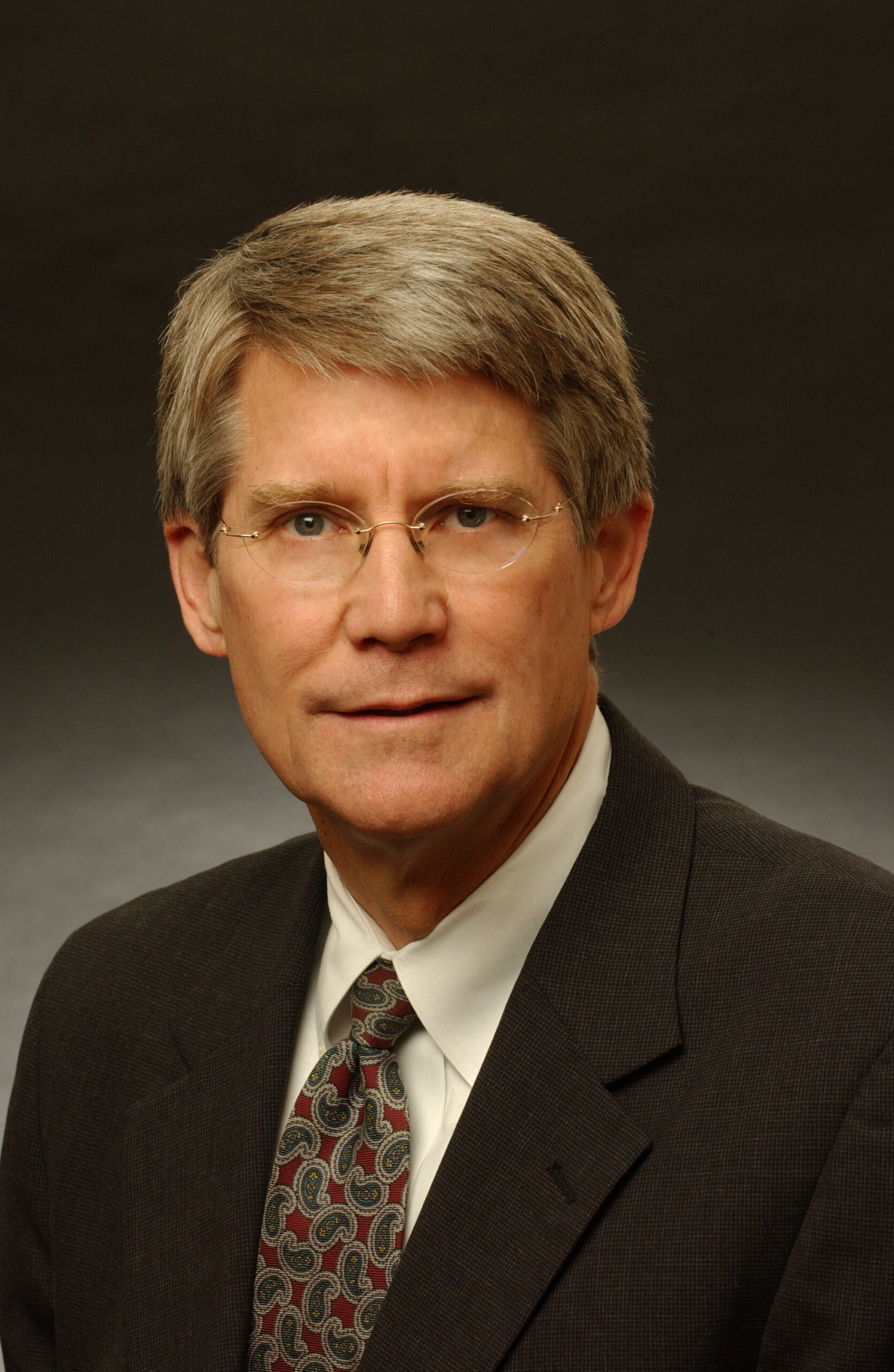
Mechanical Engineering Hall of Fame BSME, The University of Texas at Austin, 1972
MBA, The University of Texas at Austin, 1974
Jack Browder has over 40 years of experience developing, building and operating hydrocarbon plants and power plants.
Since retiring from Northern Star Generation, he has been a principal of Westney Consulting Group, which advises builders of large CAPEX projects to help them achieve greater capital certainty and achieve successful implementation of their projects.
Browder retired from the position of CEO & President of Northern Star Generation at the end of 2015. The company was formed by the Ontario Teachers’ Pension Plan and AIG Highstar in early 2004 to manage and operate a portfolio of 15 contracted power plants in the U.S. acquired from El Paso Corporation. The portfolio included two coal-fired plants, four waste coal-fired plants, and nine gas-fired plants.
Prior to joining Northern Star Generation in 2004, he was Chief Operating Officer of eCORP, a privately held Houston-based company that developed, owned, and operated underground natural gas storage facilities.
Prior to joining eCORP in 2001, he was president of KBR Development Corporation, a joint venture between Kellogg Brown & Root and Mitsubishi, established to develop hydrocarbon related plants on a limited recourse, project financed basis.
Prior to joining Kellogg, he was with Brown & Root, where he started his career in the mid 70s. He served in numerous executive, sales, and project management positions. He was the president of Brown & Root’s Power Business Unit in the early 90s. Prior to that time, he was head of worldwide sales for Brown & Root’s Petroleum & Chemical Business Unit. He spent over ten years managing several multi-hundred million dollar projects.
He has an MBA and a BS in Mechanical Engineering from The University of Texas.
Chase Canfield

Distinguished Mechanical Engineer
BSME, The University of Texas at Austin, 1975
Chase Canfield was born and raised in Houston, Texas with a strong influence in engineering. His father and grandfather were both Electrical Engineers from Purdue University, where his grandfather was a professor for many years. After graduating from Memorial High School, he attended The University of Texas and received a Bachelor’s of Science degree in Mechanical Engineering with Honors.
In 1975, he began his career in Houston with Brown & Root as a project engineer in the oil & gas division, where he was responsible for project delivery of offshore production facilities in the Gulf of Mexico.
In 1978, he left to work for an electrical contractor and engineering firm, Fisk Electric. He spent his first 5 years as a project manager and completed many successful projects, including a Phenol Plant for General Electric in Mount Vernon, Indiana and the iconic 56 story Republic Bank Center in downtown Houston, before being promoted to Regional Vice President in Dallas.
In 1984, he left Fisk to start Hi-Tech Electric Inc, an electrical contracting and engineering firm. Hi-Tech Electric opened its doors in February of 1985 in Dallas, TX. He expanded the business to Houston in 1986 and to New Orleans in 1989.
Under Chase’s leadership, Hi-Tech Electric grew into one of the leading commercial and industrial electrical contracting firms in the country. Hi-Tech Electric has been recognized as one of the top 100 electrical contracting firms in the country by ENR Magazine every year since 1996 and has completed over 5,000 projects totaling over $1.5B along the gulf coast.
Chase has always been grateful for the education he received at The University of Texas and has supported the university in many ways. He established the Chase and Jana Canfield Endowed Presidential Scholarship in Engineering for ME students and served 4 years on the Mechanical Engineering External Advisory Council (EAC).
Chase married his high school sweetheart, Jana, in 1974; they have been married for 45 years and have 4 children, 3 daughter-in-laws, a son-in-law and 13 grandchildren. He retired in January of 2019 and is enjoying time with his family between Houston and the Hill Country.
Binz DeWalch
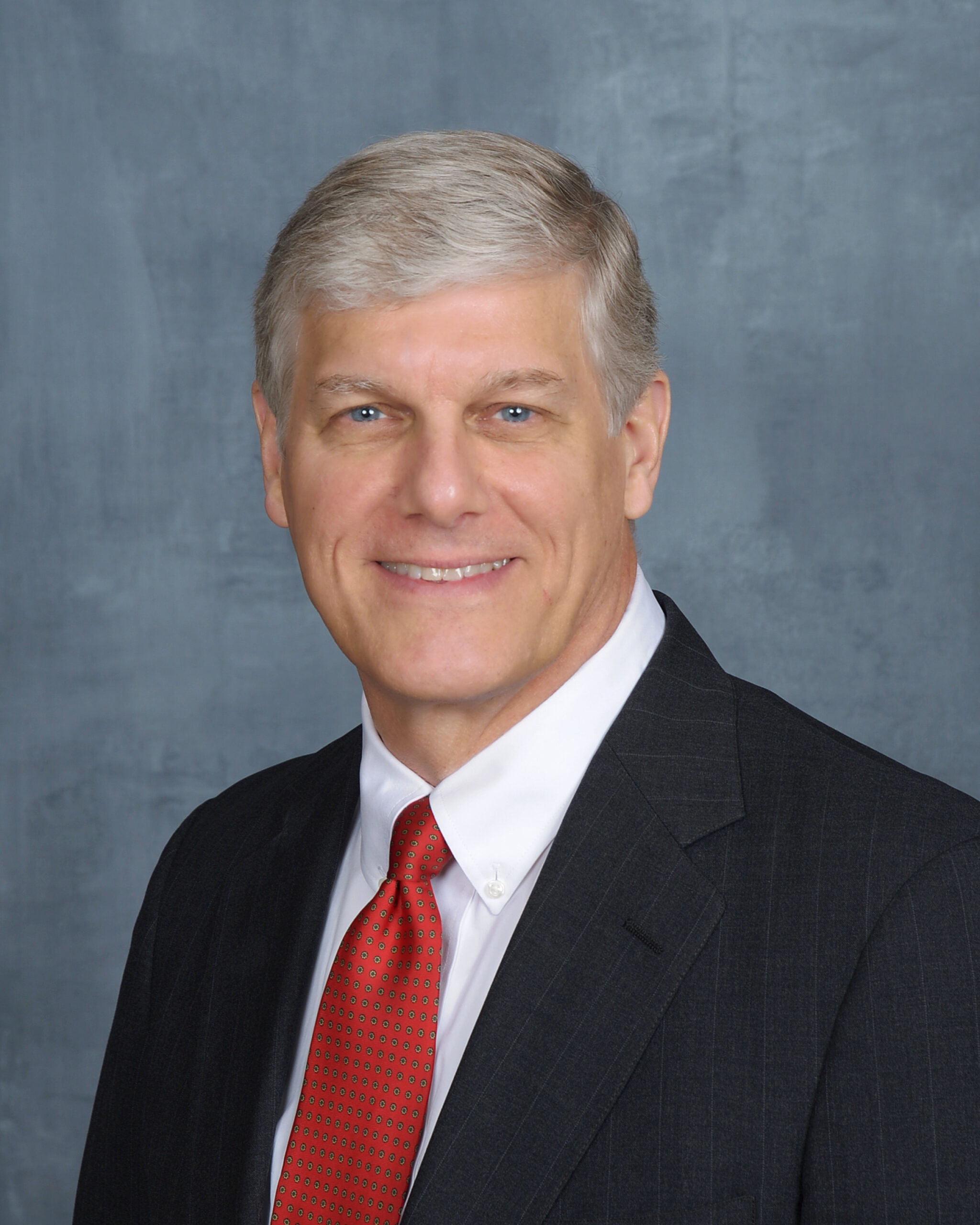
Distinguished Mechanical Engineer
BSME, The University of Texas at Austin, 1981
Norman “Binz” DeWalch is Chairman and CEO of DeWalch Technologies, Inc. in Houston, Texas. Founded in 1982 by Binz and his father, DeWalch Technologies quickly became a leading manufacturer of specialty meter locking hardware for the prevention of theft from electricity and gas utilities. Today the company is engaged in R&D, serves the utilities security market, and provides contract manufacturing services to the oil and gas market and firearms market for both military and civilian applications.
Binz was born in Houston, Texas in 1958 and graduated from St. Johns School in 1977. His love for science, technology and building new things led him to attend The University of Texas College of Engineering, where he earned his Bachelor of Science degree in Mechanical Engineering. Binz’s early interest in research and development was encouraged by the opportunity to work as a freshman at the Center for Electromechanics at the University.
After college, Binz and his father, Don, founded DeWalch Technologies and began development of a high-security locking system for utility metering. Houston Lighting & Power was the company’s first customer, and since that time, the company has developed a full product line that is sold to customers in the U.S., Canada, Mexico, the Caribbean and parts of the Pacific Rim. To properly serve its customers, DeWalch Technologies has also developed extensive engineering and manufacturing capabilities and produces finished product from raw materials in its Houston manufacturing facility. Binz leads the company and works with its engineers on R&D, product design, tooling and automated equipment design to support production.
In 1998, Binz’s interest in engineering and molecular biology led the company to enter into a joint development project with the Genome Sequencing Center at Baylor College of Medicine to develop an automated DNA purification system. The system was used for Baylor’s sequencing work on the Human Genome Project. Baylor contributed 20% of the sequence data for this project.
Currently, Binz has been involved in several R&D projects. These efforts include development of an electronic locking system for utility applications, development of improved automatic firearm technology for military applications, numerous software applications, 3D wax printing technology, and a major, multi-year development effort of a low capitol cost plant to convert natural gas to synthetic, low sulfur diesel. He currently holds over 75 issued and pending U.S. and foreign patents for locking hardware, molecular biology research equipment, and firearm technology.
Binz served two terms on the Mechanical Engineering Visiting Committee in the early 2000’s, and is a 4th generation Longhorn. His wife, great-grandfather, grandfathers, father, mother, brother, in-laws and nephew are all Longhorns, and his oldest son is currently a sophomore ME student at UT. Binz served for several years as an Assistant Scoutmaster for Boy Scout Troop 354 and is involved in numerous organizations in Houston, including the Restoration Committee of Eagle Lake. His love, enthusiasm and appreciation for the wonderful education that he received from The University of Texas runs deep.
Edgar Figueroa
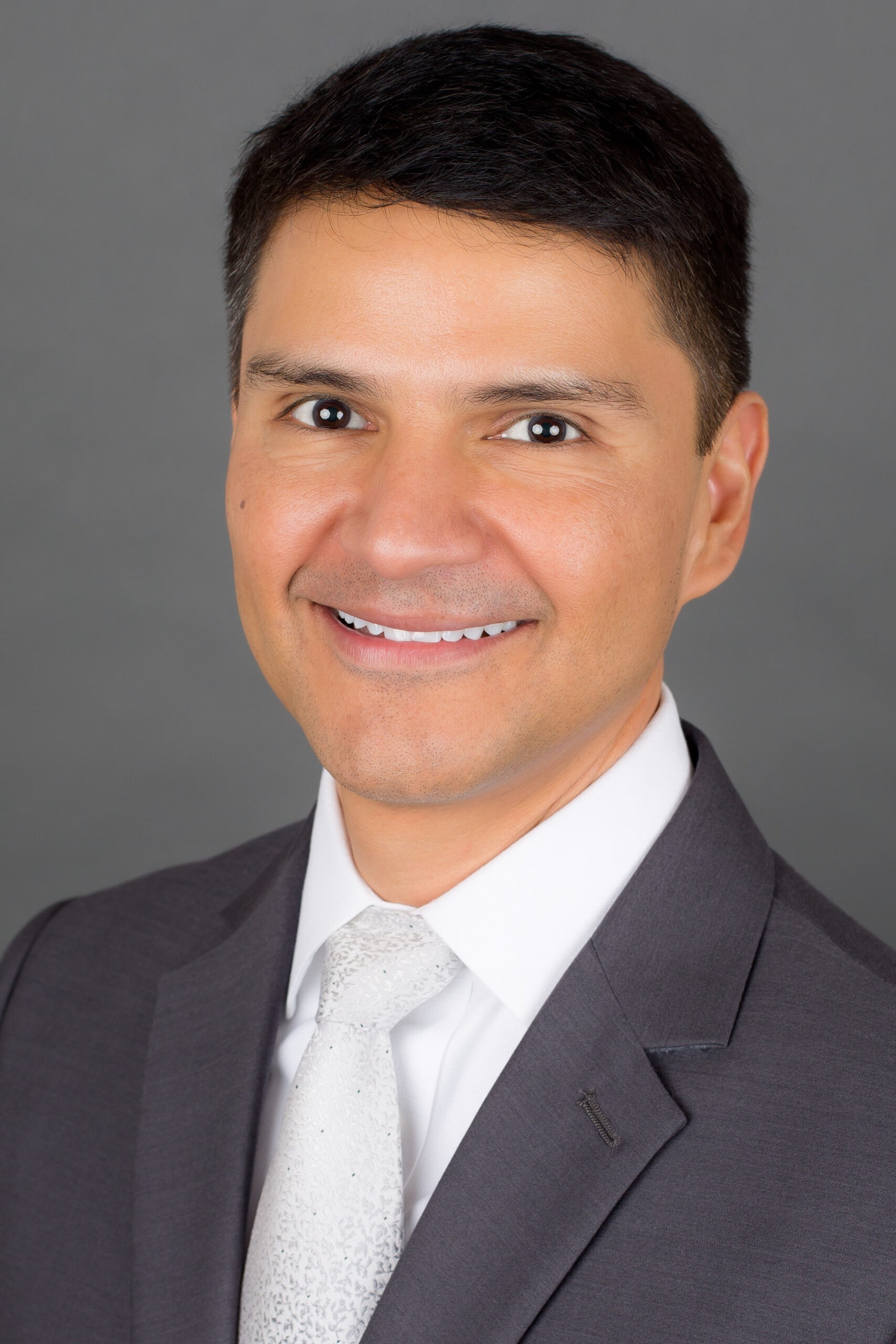
Distinguished Mechanical Engineer
BSME, The University of Texas at Austin, 1994
MSTC, The University of Texas at Austin, 1998
Executive Scholar, Northwestern University, 2017
Edgar was born in Guatemala and was raised there by his single mother. He earned his first diploma as a professional typist at age 12, fearing that he would soon have to provide for his family. At age 14, he immigrated to the United States. In his formative years, Edgar worked as a mechanic—from car engines to large excavators—and learned to speak English. He attended Von Steuben Metropolitan Science Center in Chicago and became the first in his family to graduate from high school. Edgar joined the U.S. Navy as a jet engine specialist, and during four years of active duty received several commendations, including meritorious advancement and sailor of the year awards from his fighter pilot squadron. After the Navy, Edgar pursued a Mechanical Engineering degree at The University of Texas and graduated with Honors in 1994. He credits his UT ME education with teaching him the critical thinking skills that have been the hallmark of his career.
Edgar spent his early career at 3M Company in product design, quality, and manufacturing, before moving to product management. He ultimately managed the electronic projection systems and remote meeting solutions product lines, including a portfolio of voice, video and teleconferencing products jointly developed with Polycom. Edgar then joined entrepreneurs at Ridgeway Systems, a start-up that delivered the world’s first session border controller—a solution to allow incoming ad hoc, live internet calls to traverse secure private networks. The solution became an International Telecommunications Union standard and continues to be used for real-time internet voice and video calls today. Ridgeway is now part of Cisco.
In 2003, Edgar joined Wi-Fi Alliance, the consortium that defines Wi-Fi, as its operations lead. He designed the industry’s original program development framework and globally scaled Wi-Fi product certification. In 2007 Edgar was appointed by the Board of Directors as chief executive. Under Edgar’s leadership, Wi-Fi and Wi-Fi Alliance achieved extraordinary growth. In addition to overseeing steady advances in interoperable Wi-Fi capabilities, Edgar established consensus agreements and strategic alliances across industries, and engaged with government agencies worldwide to ensure continued Wi-Fi proliferation into mass markets such as consumer electronics and mobile. As of 2019, Wi-Fi delivers an estimated $2 trillion per year in economic value globally, more than 800 companies comprise Wi-Fi Alliance, and Wi-Fi technology is essential in society as 13 billion Wi-Fi devices carry the bulk of the world’s data traffic. The Wi-Fi industry has recognized Edgar with Leadership and Hall of Fame awards.
In addition to his BSME, Edgar holds a master’s degree in Technology Commercialization from UT and graduated from Kellogg’s Executive Scholar program at Northwestern University. He is a member of Pi Tau Sigma, Tau Beta Pi, and the Hispanic Scholarship Fund Hall of Fame. Edgar and his wife, Colette, support the Friends of Alec Equal Opportunity in Engineering, HSF, Girls Empowerment Network, La Pedrera School Project, and the Texas Leadership Society. Together they enjoy living in Austin, spending time with family and friends, and travelling.
Casey Fox

Distinguished Mechanical Engineer
BSME, The University of Texas at Austin, 1982
MSBE, The University of Texas at Austin, 1984
Ph.D., The University of Texas at Austin, 1990
Dr. W. Casey Fox is a native with roots dating back to the earliest days of Texas. Having been a professional athlete (motocross and road bicycling) and mechanic, he entered college late but brought to The University of Texas at Austin deep and broad engineering experiences and a history of entrepreneurship.
After earning his Masters in Engineering, he joined Southwest Research Institute (SwRI) as a Biomedical Engineer. There he used UT-taught instrumentation and signal processing skills to build blood pressure monitors, pulse blood oximeters, and a host of other cardiovascular monitoring instruments.
Under the guidance of C. William Hall. M.D., the Father of Biomaterials, he transitioned his interest into materials and orthopaedics. During his tenure and with the support of SwRI, he earned his Doctorate under the direction of Dr. Ken Diller in the Department of Biomedical Engineering while conducting bone wound healing and osteoporosis research, including working with NASA on the effects of microgravity on bone healing.
Soon, Dr. Fox and his wife, Nancy Fox, began to pursue their entrepreneurial interest and formed BioMedical Enterprises Inc. (BME). Through bone healing research, Dr. Fox and BME brought nitinol internal bone fixation into common use in the U.S. They drove clinical adoption for the shape changing implants that compressed bone while healing, resulting in more rapid and consistent fracture healing.
In this pursuit, Dr. Fox holds over 25 patents, has commercialized hundreds of medical devices, and was awarded Ernst & Young’s Entrepreneur of the Year Award in 1998 as well as other awards recognizing his and Nancy’s business successes.
After selling BME to Depuy-Synthes-Johnson & Johnson in 2016, he and Nancy focused on Metric so they could continue to advance internal bone fixation implants.
Together, Casey and Nancy have cut high technology medical device companies out of the Texas Hill Country just West of San Antonio. They simultaneously build their businesses, advanced healthcare, and a family.
Hacking their business out of the wilderness while caring for their two children, Garrett Fox and Heather Fox McFarland, is reminiscent of these two Texans’ long family heritage. They continue this tradition today with their growing family through their love of the Texas Hill Country.
Terry Hendricks
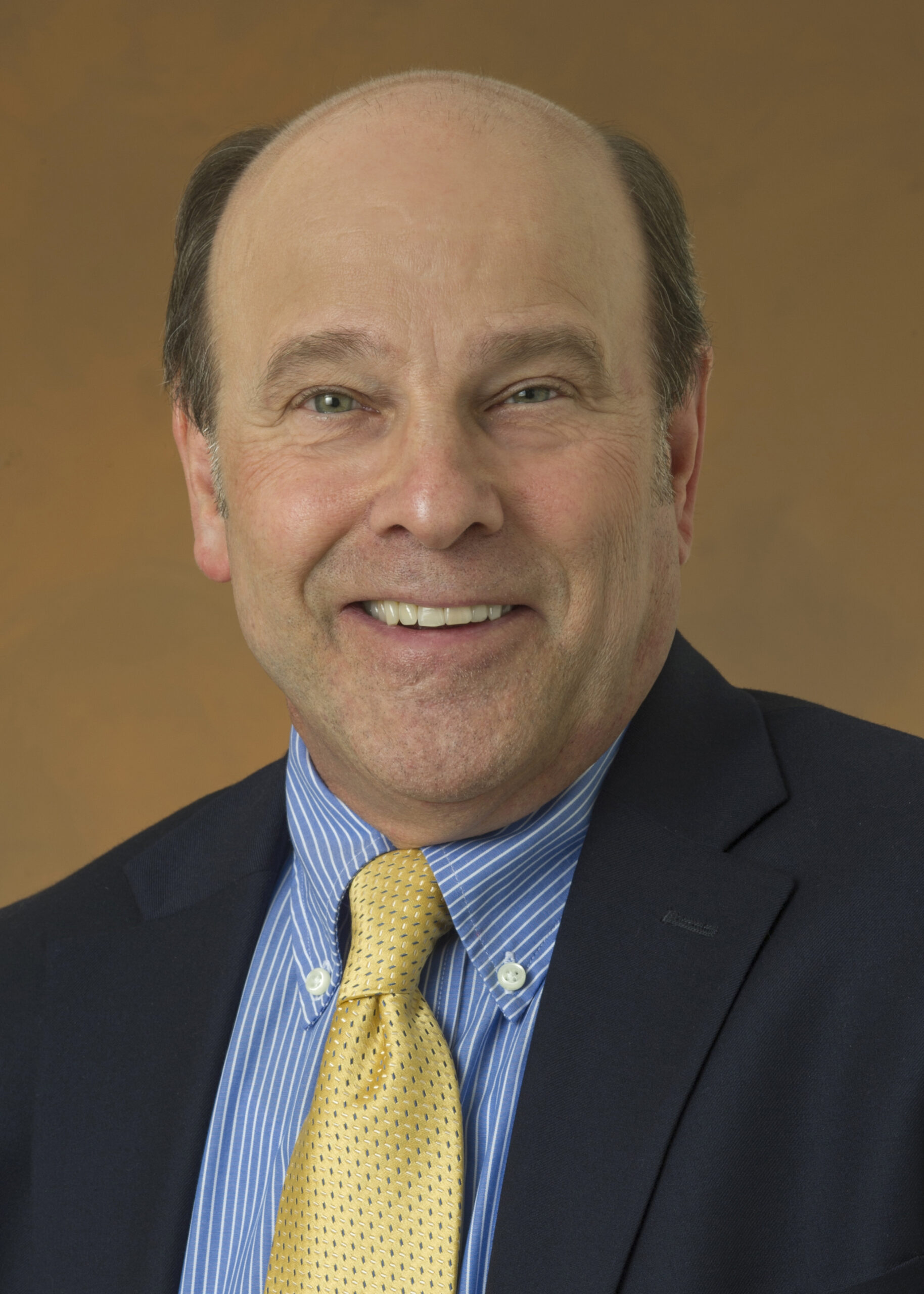
Distinguished Mechanical Engineer
MSME, The University of Texas at Austin, 1979
Ph.D., The University of Texas at Austin, 1993
Dr. Hendricks is currently a Project Manager, an ASME Fellow, and an IEEE Senior Member in the Power and Sensor Systems Section, Autonomous Systems Division at NASA–Jet Propulsion Laboratory (JPL)/California Institute of Technology, Pasadena, CA, where he has served in project and line management roles developing hybrid solar power systems, radioisotope power systems, spacecraft power systems, thermal management and thermal energy storage systems critical to NASA missions. He was a multi-disciplinary Project Manager on a DARPA project to develop advanced high-power-density thermoelectric devices and innovative high-performance graphite heat exchangers to recover engine waste heat in Extended Range/ Multi-Purpose aircraft.
He has recently been Lead System Engineer on the Next-Generation Radioisotope Thermoelectric Generator (RTG) project developing new RTG’s for future NASA missions. He was previously an Energy Recovery Program Director at Battelle Memorial Institute, Columbus, OH, and a Senior Program Manager at the U.S. Department of Energy (DOE) Pacific Northwest National Laboratory (PNNL) in Richland, WA and Corvallis, OR from 2005-2013, where he managed and led U.S. DOE and U.S. Army programs in hybrid power system development, automotive and industrial energy recovery, military energy recovery and power system development, and advanced nano-scale heat transfer. He was also Field Program Manager and the Power & Propulsion Task Leader in the Center for Transportation Technologies and Systems at the U.S. DOE National Renewable Energy Laboratory in the early 2000s. Dr. Hendricks received his Ph.D. and Master of Science in Engineering from The University of Texas at Austin and Bachelor of Science (Summa Cum Laude) in Physics from the University of Massachusetts at Lowell.
He has over 39 years of professional experience and expertise in thermal & fluid systems, energy recovery, energy conversion and energy storage systems, terrestrial and spacecraft power systems, micro electro-mechanical systems, and project management. His extensive expertise is cited in 3 book chapters published by Taylor and Francis and Elsevier and over 85 reports and journal articles in the Journals of Electronic Materials; Materials Research; Heat Transfer; Thermophysics and Heat Transfer; International Heat & Mass Transfer; Thermal Radiation Heat Transfer, 5th Edition, Howell, Siegel, and Menguc, (CRC Press, Taylor and Francis Group), Handbook of Heat Transfer, 3rd Edition, Rohsenow, Hartnett, Cho, (McGraw-Hill), and Principles of Heat Transfer in Porous Media, 2nd Edition, Kaviany, (Springer-Verlag),
He has been awarded the following honors: NASA Group Achievement Awards at JPL in 2015 and 2018; the ASME Columbia Basin Engineer of the Year Award in February 2009 at the Pacific Northwest National Laboratory; Midwest Research Institute / Battelle Memorial Institute Chairman’s Award in October 2003 at the National Renewable Energy Laboratory.
He is a registered Professional Engineer in the states of California and Texas.
Arumugam Manthiram
Honorary Mechanical Engineer
BS, Madurai University, 1974
MS, Madurai University, 1976
Ph.D., Indian Institute of Technology-Bombay, 1980
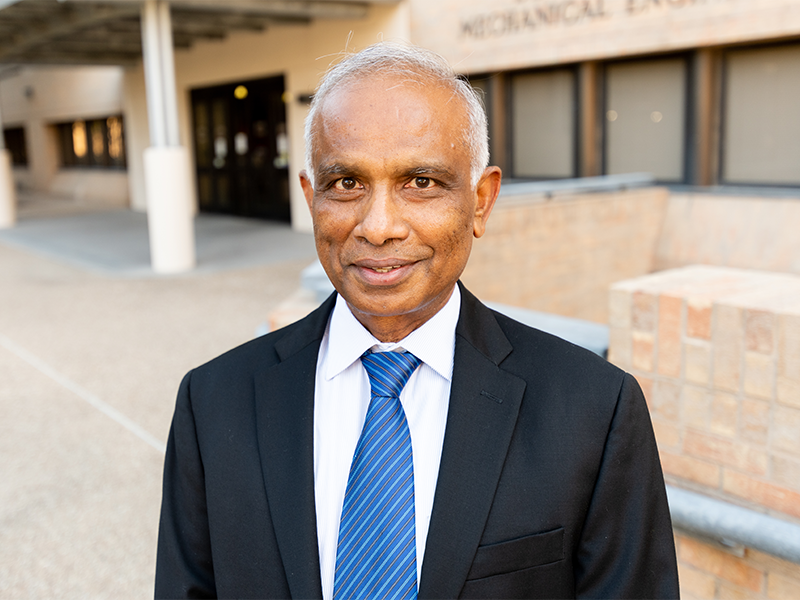
Arumugam Manthiram is currently the Cockrell Family Regents Chair in Engineering and Director of the Texas Materials Institute and the Materials Science and Engineering Program at The University of Texas at Austin (UT-Austin). He received his Ph.D. degree in chemistry from the Indian Institute of Technology Madras in 1981. After working as a postdoctoral researcher at the University of Oxford and at UT-Austin with Professor John Goodenough, he became a faculty member in the Department of Mechanical Engineering at UT-Austin in 1991. Dr. Manthiram’s research is focused on clean energy materials and technologies, including batteries, fuel cells, and supercapacitors. He has authored more than 760 journal articles with 55,000 citations and an h-index of 117. He is a globally-recognized expert in battery technologies, and he has given more than 300 invited/keynote/plenary talks around the world. He has provided research training to more than 200 students and postdoctoral fellows, including the graduation of 58 Ph.D. students and 26 M.S. students. His former students and postdoctoral fellows are well-placed around the world in academia, national labs, and industry, including two vice-presidents at LG Chem, South Korea. Two of his former Ph.D. students led the design and development of the first-generation of lithium-ion battery pack for Chevy Volt. He currently directs a large research group with about 30 graduate students and postdoctoral fellows with a research funding of close to $2 million per year. On a 5-point scale, his average instructor ratings by undergraduate and graduate students are consistently 4.5 +/- 0.1 for the courses he has taught throughout his career from 1991 at UT-Austin.
Dr. Manthiram is the Regional (USA) Editor of Solid State Ionics, Co-Editor of Ceramics in Modern Technologies, and an Associate Editor of Energy and Environmental Materials. He is a Fellow of six professional societies, including Materials Research Society, Electrochemical Society, American Ceramic Society, Royal Society of Chemistry, American Association for the Advancement of Science, and World Academy of Materials and Manufacturing Engineering. He received the university-wide (one per year) Outstanding Graduate Teaching Award in 2012, the Battery Division Research Award from the Electrochemical Society in 2014, the Distinguished Alumnus Award of the Indian Institute of Technology Madras in 2015, the Billy and Claude R. Hocott Distinguished Centennial Engineering Research Award in 2016, and the Da Vinci Award in 2017. He is a Web of Science Highly Cited Researcher in 2017 and 2018, which represents top 1% of the highly cited researchers globally.
Emily Nelson
Distinguished Mechanical Engineer
BSME, The University of Texas at Austin, 1998
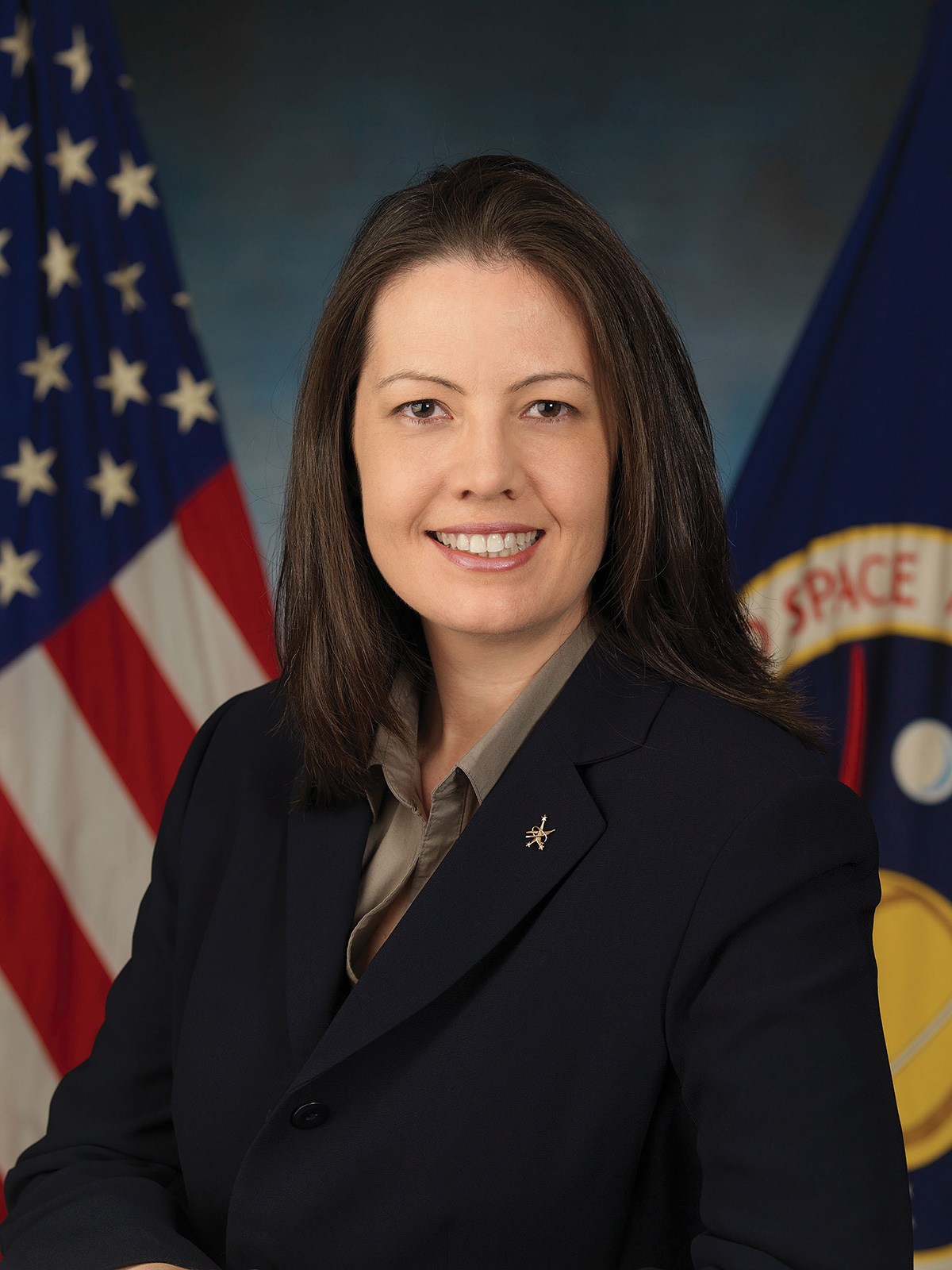
Emily Nelson was born in Okinawa, Japan and raised in Austin, Texas. The oldest of three children, her parents Russell and Brenda Nelson encouraged her love of learning from an early age. After graduating from the Science, Math and Computer Academy at L.B.J. High School, Emily attended The University of Texas at Austin with the plan to major in Math. After a few years of searching, which included a few semesters in the College of Fine Arts as a music major, Emily finally found her home in the Mechanical Engineering Department at UT, and knew she was in the right place when she enjoyed even her thermodynamics homework.
After graduation from UT, Emily moved to Houston to work for United Space Alliance (USA) in September of 1998 as an International Space Station (ISS) Thermal Operations and Resources Flight Controller (ThOR). As a ThOR, Emily had an active role in the assembly of the Space Station, working to build up the orbiting laboratory piece by piece over the course of 8 Space Shuttle missions and supporting day-to-day operations for 15 different astronaut crews that lived on the space station over a 9 year period. Emily’s favorite area of study in Mechanical Engineering had been Thermodynamics, and working to build and operate active and passive thermal control systems on the Space Station was a dream come true.
In May of 2007, Emily was selected as a Flight Director and completed training in December of that year, becoming the 70th Flight Director and 10th Female Flight Director in NASA’s history. Emily had the opportunity to support six Space Shuttle missions to the International Space Station in the Flight Director role. For two of those missions, she served as a liaison to the Japanese Flight Control Team in Tsukuba Japan, building on relationships grown as a ThOR, while developing the Japanese Experiment Module. Emily has led teams in a variety of space missions, from Spacewalks to cargo vehicle rendezvous, from long-duration ISS missions to major Space Station system upgrades.
In her 12 years as a Flight Director, Emily has had the chance to work with teams at each member nation of the international partnership of the ISS, which has fostered a love of travel and exploration of diverse cultures. She blends this wanderlust with her enduring love of music to tour with a variety of choirs in a variety of locations, including a tour of Italy with the Longhorn Alumni Choir in the summer of 2019.
Each NASA Flight Director chooses a symbol/color to represent their team. Emily chose Peridot as the symbol for her flight control team because in addition to being a lovely stone, it’s a gemstone known to be found in meteorites. This ‘space’ stone represents all of the extraordinary things, familiar and unfamiliar, we’re bound to find as we pursue exploration further and further from our beautiful blue planet.
Emily is currently serving as Deputy Chief of the Flight Director Office and continues to support ISS operations in Mission Control Houston. In her 21 years at the Johnson Space Center, she has worked more than 12,000 hours in Mission Control, working with 241 crewmembers on the International Space Station, 71 crewmembers on various Space Shuttle missions, countless Flight Controllers, Flight Directors and members of Mission Control support teams. Because of those amazing experiences, Emily is more convinced than ever that truly great achievements are not accomplished by individuals, but by teams of passionate people pulling together toward a common goal. She looks forward to continuing the journey of space exploration with more incredible teams going forward.
William Schneider
Distinguished Mechanical Engineer
BSME, The University of Texas at Austin, 1993
MSME, Georgia Institute of Technology, 1995
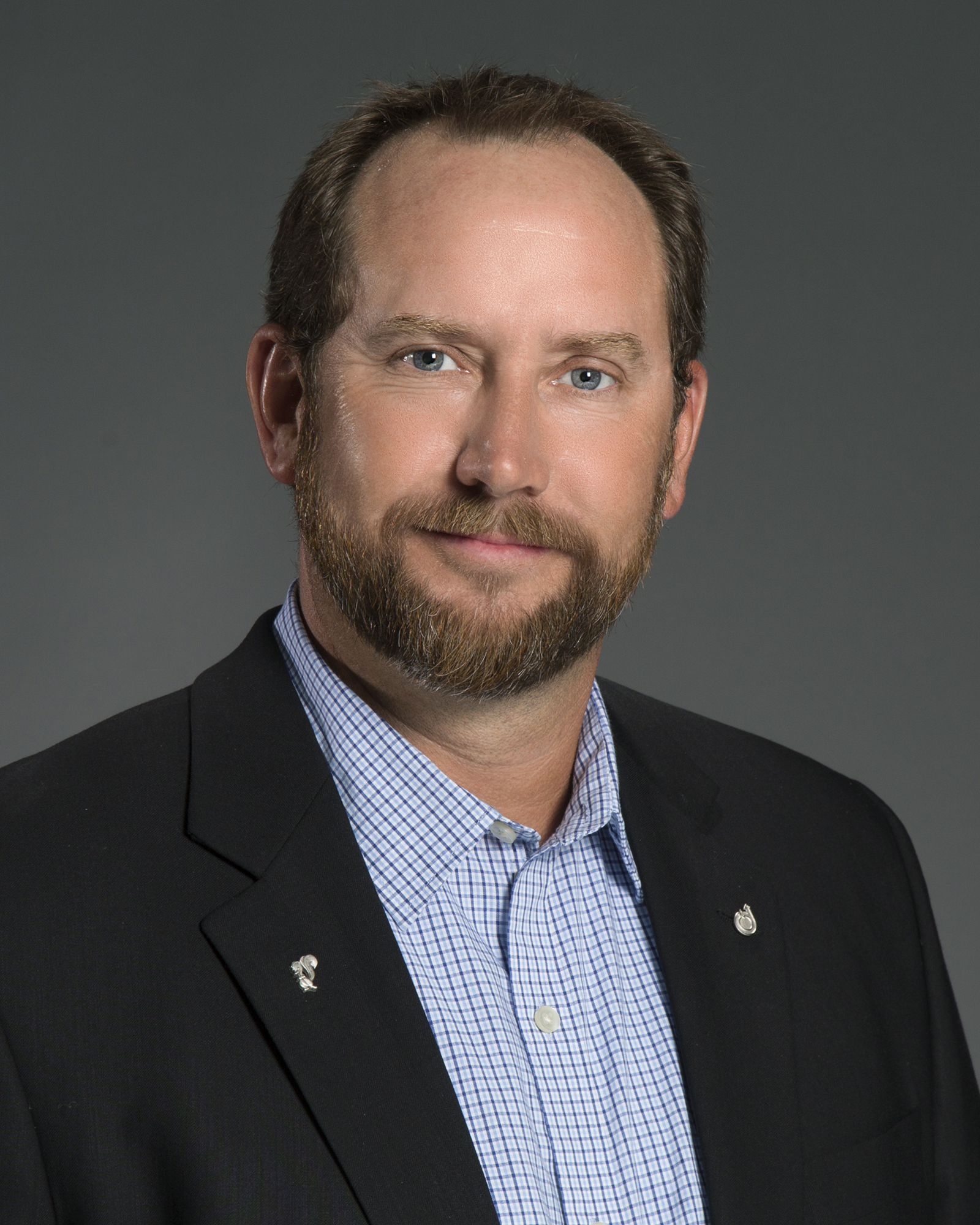
On April 12, 1981, a young and impressionable Bill Schneider experienced the thunderous transmission of acoustic energy across miles of Florida swamp land as it created a memorably strong resonant response in his chest while witnessing the launch of the first Space Shuttle (STS-1). Wiping an unexpected tear from his face, he realized Structural Dynamics was calling him. Bill grew up in Houston, TX in the shadow of NASA’s Johnson Space Center and was regularly surrounded by engineers and astronauts. Bill’s Dad, a retired NASA engineer and professor, was his inspiration and always fueled his curiosity through hands-on home experiments. Bill is thankful that his Mom, an early childhood education specialist, enthusiastically encouraged and facilitated his experiments/antics.
While studying at The University of Texas at Austin from 1989-1993, Bill is particularly thankful that Professor Billy Wood took him under his wing and provided friendly guidance regarding school and life. The UT Mechanical Engineering curriculum stimulated Bill’s growing love for engineering and motivated him to pursue graduate school. In 1995, Bill earned an MSME in Structural Dynamics at the Georgia Institute of Technology with research focused on Eigenvalue Veering and Mode Localization phenomenon. Bill is a member of Tau Beta Pi and was President of Pi Tau Sigma, the Mechanical Engineering Honor Society, during his Senior year at UT. What started here is changing the world.
In 1995, Bill was recruited by Lockheed Martin to work for The Skunk Works in Palmdale, CA. For over two decades, Bill has contributed to the successful development and sustainment of multiple hardware programs, such as F-117, U-2, F-22, X-35, Linear Aerospike SR-71 Experiment (LASRE), JASSM, Polecat, as well as multiple classified efforts. Bill’s expertise includes landing gear transient dynamic loads analysis and test programs, rapid motion deployment mechanism dynamics, nonlinear dynamic system simulation and development of vibroacoustic and shock environments. Bill was responsible for the successful development and testing of the highly transient Wing and Tail Deployment System for the AGM-158 Joint Air to Surface Standoff Missile (JASSM) and developed an innovative ground test method for application of simulated air loads using “ply-tear webbing” straps. Bill was the primary researcher/inventor of a pioneering patent for a Multi-Modal Dynamic Resonance Method for Anti-Icing and De-Icing of Aircraft Inlet Grids. This unique method of applying low power tuned vibrational excitation to an air intake grid could provide a discriminating capability for aircraft operations during in-flight icing conditions.
Bill is currently a Structural Dynamics Tech Fellow at Lockheed Martin Aeronautics Company, an Associate Fellow of the American Institute of Aeronautics and Astronautics (AIAA) and an active member of the AIAA Structural Dynamics Technical Committee. Bill annually organizes hands-on STEM outreach efforts during Engineer’s Week. He developed and teaches the Lockheed Martin Aeronautics Structural Dynamics class and leverages interactive demonstrations to illustrate key principles. He loves spending time with his energetic and supportive wife, Dawn, and inspiring playful curiosity in their kids: Myra, Max and Vivian. In his spare time, Bill can be found backpacking, coaching baseball or exploring the structural dynamic response of his guitar.
Azita Sharif
Distinguished Mechanical Engineer
MSME, BSME, The University of Texas at Austin
MBA, Harvard Business School
JD, Law and Diplomacy, Fletcher School of Diplomacy
MD, Exec., Harvard Medical School
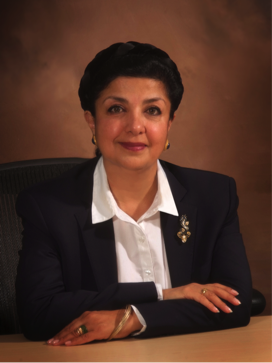
Azita Sharif is a Biotechnology entrepreneur with strong cross-functional expertise: engineering and medicine, for profit and non-profit, start up and public company experience. She summarizes her goal as: To positively impact human and public health using engineering with focus on analytical preventive medicine. Her specialties are Biobanking; Clinical Data Capture Software Platform (BTM); Entrepreneurship; Systems Biology; Product Development, Medicine/ Engineering/ Business interface; and Development of inter-institutional and inter-regional collaborations.
She is the Founder and CEO of DSI, the Precision Medicine technology firm, and BINDS, a technology platform for discovery science, both headquartered in Cambridge, MA. She is also the Founder of Count Me In!, a non-profit organization which democratizes clinical trials access.
Azita started her career as a Research & Development Engineer, and later as a Product Manager within Fortune 100. From Engineering, she made the transition to high technology and life science investment and was selected as a Kauffman Fellow, the flagship fellowship of venture capital and private equity industry. She served her fellowship at Advent International Global Private Equity in Boston. Since then, she has been involved with many startups and investment management programs in both the U.S. and Argentina. She has advised several seed-stage start-ups on writing business plans and seeking venture funds. As a result of her efforts, a number of these companies were able to close funding and grew to a successful exit. Azita also supported a start-up of a new venture fund, Triton Venture Management, in Austin, TX.
For ten annual rounds, she served as a judge in the Annual International Moot Corp Business Plan competition held at The University of Texas at Austin, MIT and Harvard Business School Business Plan Competitions. She has also served as a Director of the Executive Board of the Women’s Leadership Initiative at the JFK School of Government at Harvard, and as a Director of External Advisory Board of the Biotechnology Department at The University of Texas. She is an elected member of Springboard Enterprises, an organization dedicated to building high-growth technology-oriented companies led by women. She served on the PMD (People Make a Difference) non-profit board, and has been a panelist and contributor in conferences often; some examples are: CanceRX (an MIT-led cancer cure focused consortium and conference), the entrepreneurial panel in Morocco (on behalf of the U.S. State Department), Boston University entrepreneurial panel, Harvard Business School speed-mentoring program, Science and Bio- Tech Innovation at Harvard iLab. She is currently a mentor for the German Accelerator Life Sciences and a board member of DeltaQuest, a Healthcare Foundation. Azita has published many papers and abstracts, won international and national rankings for poster and speaking presentations, and been a guest speaker and presenter at industry conferences. Azita is a graduate of The University of Texas at Austin Graduate School of Engineering, Fletcher School of Law and Diplomacy, and Harvard Business School. She recently completed the clinical immersion and healthcare ecosystem program at Harvard Medical School. Azita Sharif is also a Congressional European Parliamentary Initiative Fellow with the Bertelsmann Foundation and a life-time Venture Capital Kauffman Fellow.
Sumit Singh
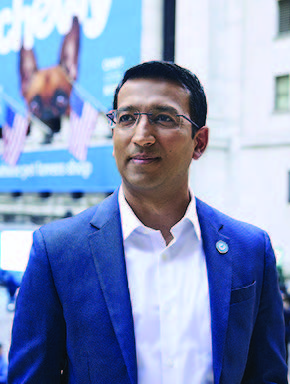
Outstanding Young Mechanical Engineer
MSMSE, The University of Texas at Austin, 2003
Sumit Singh is the CEO of Chewy, Inc. and has served in the position since March 2018. He has also served on the board of directors since April 2019.
In his role as CEO, Sumit leads more than 10,000 “Chewtopians” (as they like to call themselves) towards their mission of becoming the most trusted and convenient online destination for pet parents everywhere. He joined the company in 2017 as Chief Operating Officer.
With a customer-first approach to business, Sumit is passionate about driving Chewy’s long-term growth, rooted in product innovation and high-touch, personalized service.
He brings more than 17 years of global leadership experience that spans e-commerce, technology, retail and logistics, and loves to focus on building world-class teams and operations at Chewy so we can scale and deliver the most high-bar experiences in the pet industry.
Prior to joining Chewy, Sumit served as Director and General Manager of Amazon’s North American Merchant Fulfillment and third-party businesses, and then as the Worldwide Director of Amazon’s Consumables business, Amazon Fresh and Pantry. Sumit has also held various management positions at Dell, including serving as the North American General Manager/Category Leader.
Sumit holds a master’s degree in Engineering from The University of Texas at Austin and an MBA from The University of Chicago’s Booth School of Business.
When not at Chewy, Sumit enjoys spending time with his family and Shih Tzu named D.
Robert Viktorin
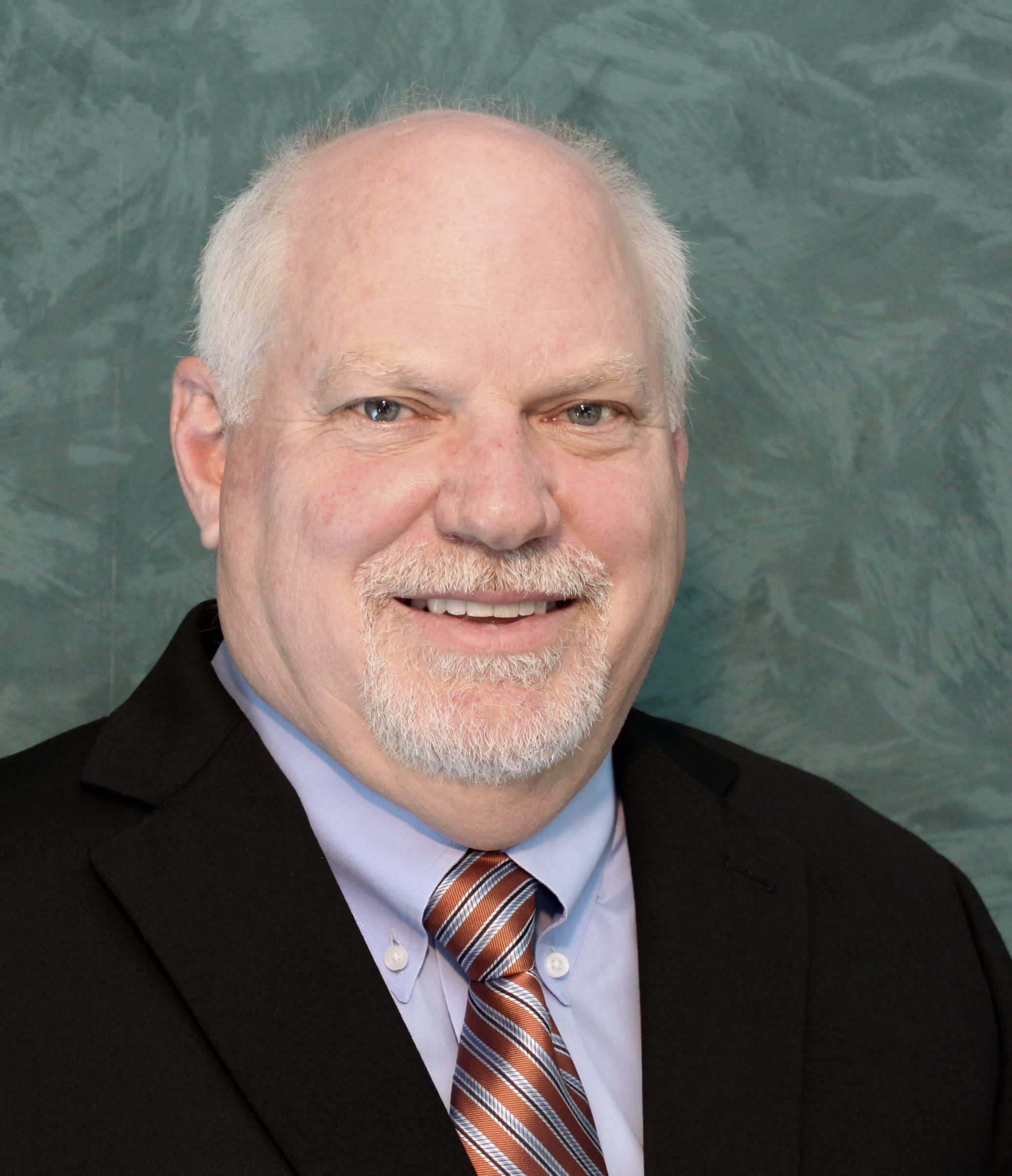
Mechanical Engineering Hall of Fame
BSME, The University of Texas at Austin, 1981
Robert (Bobby) Viktorin’s parents were native Central Texans but he was born in Morgan City, Louisiana on May 28, 1959. His father worked in the oilfields at that time and they moved back to Austin in 1966. Bobby attended elementary school at St. Ignatius and high school at Del Valle. During his high school years, he worked in his dad’s business moving houses and at his grandfather Callahan’s General Store. He pondered attending A&M or Rice, but the ME Department at UT offered a scholarship and that sealed the deal, making him a longhorn for life. It also left a life-long impression that scholarship money is key to recruiting students.
After graduation in 1981, Bobby joined Exxon Company USA as a drilling engineer. There he drilled one of the first Exxon horizontal wells, capped a blowout well and drilled a blowout relief well. He developed Exxon’s first Wellbore Risk Management program for managing well casing pressures implementing it both in the US and Malaysia when he transferred there in 1988.
In 1991 he returned to Houston as a drilling engineering supervisor and drilled wells in Texas and Oklahoma. In 1996 he transferred to Exxon’s Upstream Research Center and led the well mechanics team in performing R&D activities and providing corporate wide support for drilling. At the time of the 1999 Exxon and Mobil merger, he was responsible for combining the Well Design research programs of the two companies and capturing synergies for future research.
Bobby returned to the ExxonMobil drilling organization in 2001 and developed best practices for drilling technology with a focus on extended reach drilling (ERD). He joined the Russian Drill team and executed the first ERD well on Sakhalin Island, which set industry records for length and reach and is the predecessor to the current world record Sakhalin well of 15000 meters (9.3 miles). Bobby has co-authored several industry papers on ERD drilling and presented at International ERD Forums.
In 2010, Bobby moved to Kazakhstan as the in-country Drilling Manager. Over the next 6 years he held Drilling Manager positions in Russia, Germany and Abu Dhabi. He returned to Houston in 2016 and managed ExxonMobil’s joint interest drilling department. His final assignment was in the mergers and acquisitions group before retiring in March 2019.
Bobby was on the ExxonMobil recruiting team at UT for over 10 years and hired over 20 UT engineering students. Bobby was on the ME External Advisory Committee (EAC) for 6 years at UT. While serving on the EAC he took particular interest in increasing the number of women in ME. Bobby and his wife Carol continue to support women in Mechanical Engineering via an endowed scholarship.
Bobby and Carol have retired on Lake Conroe, Texas. They enjoy spending time with family and traveling and snow skiing.