2022 Academy of Distinguished Alumni Announced
The Walker Department of Mechanical Engineering has announced the 2022 honorees of its Academy of Distinguished Alumni
As a way of recognizing the accomplishments and careers of our outstanding alumni, the Walker Department of Mechanical Engineering established the Academy of Distinguished Alumni in 2004. The Academy’s purpose is to recognize high-achieving mechanical engineers from among the UT Austin community and from the engineering community at large, to champion the mechanical engineering profession and to build a strong community and facilitate interactions among our students, faculty, alumni and corporate partners.
This year’s honorees include:
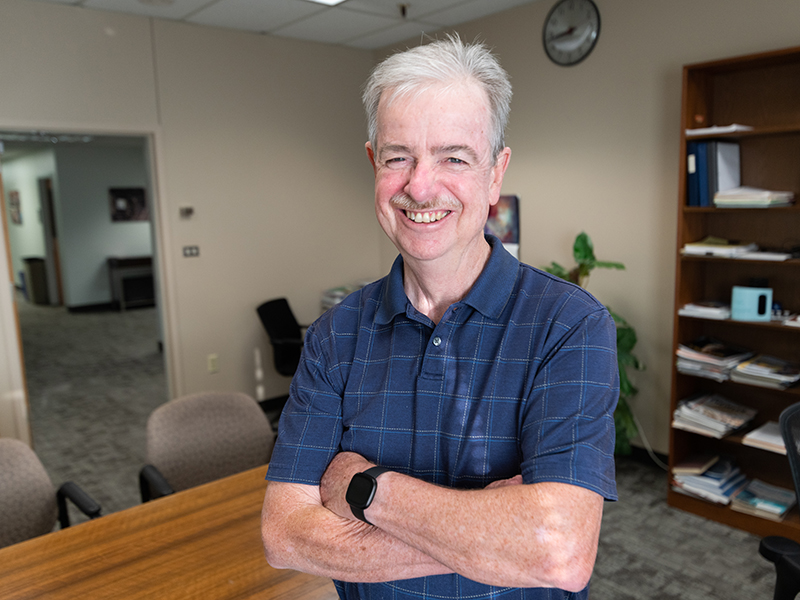
David Bogard
Honorary Mechanical Engineer, 2022
B.S., Mechanical Engineering with Aerospace option, Oklahoma State University, 1974
M.S., Mechanical Engineering, Oklahoma State University, 1976
Ph.D., Mechanical Engineering, Purdue University, 1982
Professor David Bogard has served with the faculty in the Walker Department of Mechanical Engineering at the University of Texas at Austin since 1982. Holder of the Baker Hughes Incorporated Centennial Professorship in Mechanical Engineering, he served as the Associate Chair for Administration and Research for the department from 2007 to 2022. Prior to that, he was the Graduate Advisor for the department from 1997 to 2005. With his service in these two positions, Professor Bogard provided administrative leadership for the department for 24 years. Professor Bogard has conducted research in turbulence and gas turbine cooling for more than 40 years, and has more than 220 refereed research publications. His research studies have focused on cooling of gas turbine components using sophisticated experimental models and computational simulations. He is particularly noted for the development of many designs for improving turbine film cooling, and the development of many new techniques for evaluating and quantifying film cooling performance.
Professor Bogard is a Fellow of the American Society of Mechanical Engineers, and has served the Society as conference session organizer/chair and vanguard chair for multiple conferences. He has also served the Society as an Associate Editor, and is currently Editor-in-Chief for the ASME Journal of Turbomachinery. In recognition of his service to the ASME, he was recently awarded the ASME Dedicated Service Award. He received his Bachelor’s and Master’s degrees in mechanical engineering from Oklahoma State University and his Ph.D. from Purdue University.
Emily Boyd

Outstanding Young Mechanical Engineer, 2022
B.S., Mechanical Engineering, The University of Missouri, Columbia, 2006,
M.S., Mechanical Engineering, The University of Missouri, Columbia, 2008
Ph.D., Mechanical Engineering, The University of Texas at Austin, 2014
Emily Boyd is a Teaching Professor and the Director of Undergraduate Studies for the Department of Mechanical Engineering and Materials Science at Washington University in St. Louis (WashU). Since joining WashU in 2015, Dr. Boyd has dedicated herself to supporting students underrepresented in engineering and improving the work environment for non-tenure track faculty.
She is the Director of the WashU Summer Engineering Fellowship, an undergraduate research program for underrepresented minorities. In 2016, she co-founded WashU’s Women & Engineering Center and, in 2017, founded the Women & Engineering Leadership Society for undergraduate students and alumnae. Dr. Boyd established a university-wide mentorship and networking platform, WashU CNX (community, network, exchange), which is used to facilitate year-long mentorship programs between engineering students and alumni. Dr. Boyd serves as faculty advisor to WashU’s ASME and SWE student chapters. She is the recipient of the 2021 Dean’s Award for Extraordinary Service.
Dr. Boyd’s technical area of expertise is in thermal fluid sciences. She enjoys teaching fluid mechanics to undergraduate and graduate students using team-based learning as well as managing and teaching a fluid dynamics and heat transfer laboratory course. She is a recipient of the 2018 Emerson Award for Excellence in Teaching and the 2021 Department Chair’s Award for Outstanding Teaching. She is the PI for the National Science Foundation Research Experience for Undergraduates Site: Thermal Energy Management on Multiple Scales.
Dr. Boyd has served as co-president of WashU’s Association for Teaching, Research and Practice faculty since 2018, which has given her the opportunity to make many positive policy and cultural changes for these faculty at WashU. In 2019, she delivered ASEE’s opening keynote address on the topic.
Dr. Boyd is a member of ASEE and has been an active ASME volunteer for over a decade. She is currently chairing ASME’s Committee on Organization and Rules. In 2021, she founded the Volunteer Leadership Pathway which provides ASME volunteers a framework and resources for professional and volunteerism skills development. She is a current member of the ASME Volunteer Orientation and Leadership Training (VOLT) Academy, and has served ASME in several other capacities.
Dr. Boyd received her PhD in mechanical engineering from the University of Texas at Austin in 2014 where she researched film cooling technology to improve the efficiency of gas turbine engines under the guidance of Dr. David Bogard. She received her bachelor’s and master’s in mechanical engineering from the University of Missouri-Columbia in 2006 and 2008, respectively.
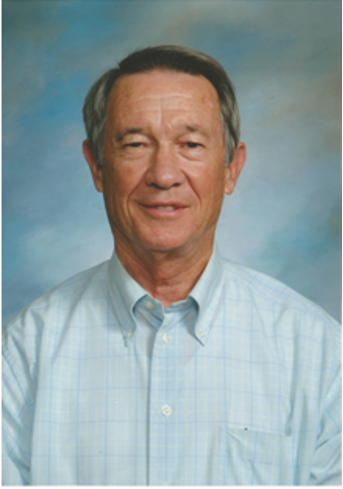
Atlee Cunninghma, Jr.
Mechanical Engineering Hall of Fame, 2022
B.S., Mechanical Engineering, The University of Texas at Austin, 1961
M.S., Mechanical Engineering, The University of Texas at Austin, 1963
Ph.D., Mechanical Engineering, The University of Texas at Austin, 1966
Atlee has worked since October 1965, at the Fort Worth facility of the Lockheed Martin Aeronautics Company (formerly General Dynamics, Fort Worth Division until 1993), where he gained many years of experience. His areas of expertise include development of steady and unsteady aerodynamic methods, aeroelasticity and buffet prediction methods, wind and water tunnel testing for unsteady flows, and flight testing. Atlee has two aerodynamics related patents; and has taught as a Visiting Industrial Professor in the SMU, UT Austin and UT Arlington graduate schools. Also, he has been a member of several NATO/STO technical teams concerned with Aeroelasticity, unsteady separated flows and computational uncertainty. He has published more than 50 technical papers and reports in these subject areas.
Some examples of his experiences are: 1) Conducted the Static Aeroelastic Analysis with the code he developed, for Lightweight Fighter Proposal which led to the F-16 development. 2) Developed an unsteady Aerodynamic code for Subsonic and Supersonic flows for NASA Langley Contract. This code was used for all F-16 flutter analysis for over 20 years. 3) Developed a Nonlinear Aeroelastic code for AFRL. 4) Conducted buffet studies and developed Buffet Prediction Code for NASA AMES. 5) Conducted extensive unsteady wind tunnel testing with the Netherlands Aerospace Laboratory (NLR), Amsterdam, for high angle flows and transonic vibration conditions. 6) Conducted re-design and flight test verification for an improved F-16 Ventral Fin (now the standard spare for all F-16’s). 7) Numerous accident/incident investigations including buffet and free-play induced fatigue at well as wake vortex encounters. 8) Conducted wind tunnel investigation for F-35 wing fuel dumping simulation. 9) Developed methods for uncertainty analysis of F-22 and F35 vertical-tail buffet. 10) Lead for flight test investigation of the F-16 CFT cabin air vent cracking problem. Atlee was also technical lead for wind tunnel investigation of the F-16 canopy rain pooling problem. Besides being provided an F-16 aircraft fuselage for the model by F-16 Program Office, he also provided support and guidance to NASA for developing a new technique for testing with rain (from a fire hose) in the 40×80 wind tunnel at NASA Ames.
Before joining General Dynamics in October 1965 while in school, Atlee worked part time for two and a half years in the UT mechanical engineering machine shops as a machinist building test equipment for several graduate students’ research projects. Later he designed and built test equipment for both his Masters’ and PhD projects. For the UT Petroleum Engineering Dept in summer of 1959, he also designed and built a “deep bore hole stress simulator” to hold rock samples and subject them to pressures up to 40,000 psi. It was used for demonstrating rock fracture characteristics associated with drilling, and the last he heard, it was still being used by the department in the 1990’s. Atlee was also a member of the US Naval Reserve from 1956 to 1965, and from October 1962 to August 1964, after finishing his MSME, he served on board the USS Saratoga (CV 60) aircraft carrier as a Damage Controlman, 2nd Class. He returned to UT and finished his PhD course work in October 1965 before starting work at General Dynamics.
As a select Senior Fellow at Lockheed Martin (LM) Aeronautics, Atlee is counted on to apply his expert knowledge and experience to LM’s most difficult technical challenges. He provides technical consultation, problem resolution and guidance for the entire program lifecycle and has produced a legacy of achievements (most notably on the F-16 design and development). With more than 55 years of experience with Lockheed Martin (and its heritage companies) Atlee is a wealth of knowledge. Further, he is very approachable and always willing to share his knowledge and help mentor, in addition to developing and teaching courses to LM engineers. He is a very effective communicator and excels at explaining complex subjects in a straightforward manner. Atlee has a gentle demeanor and gracious personality that makes working with him a pleasure.
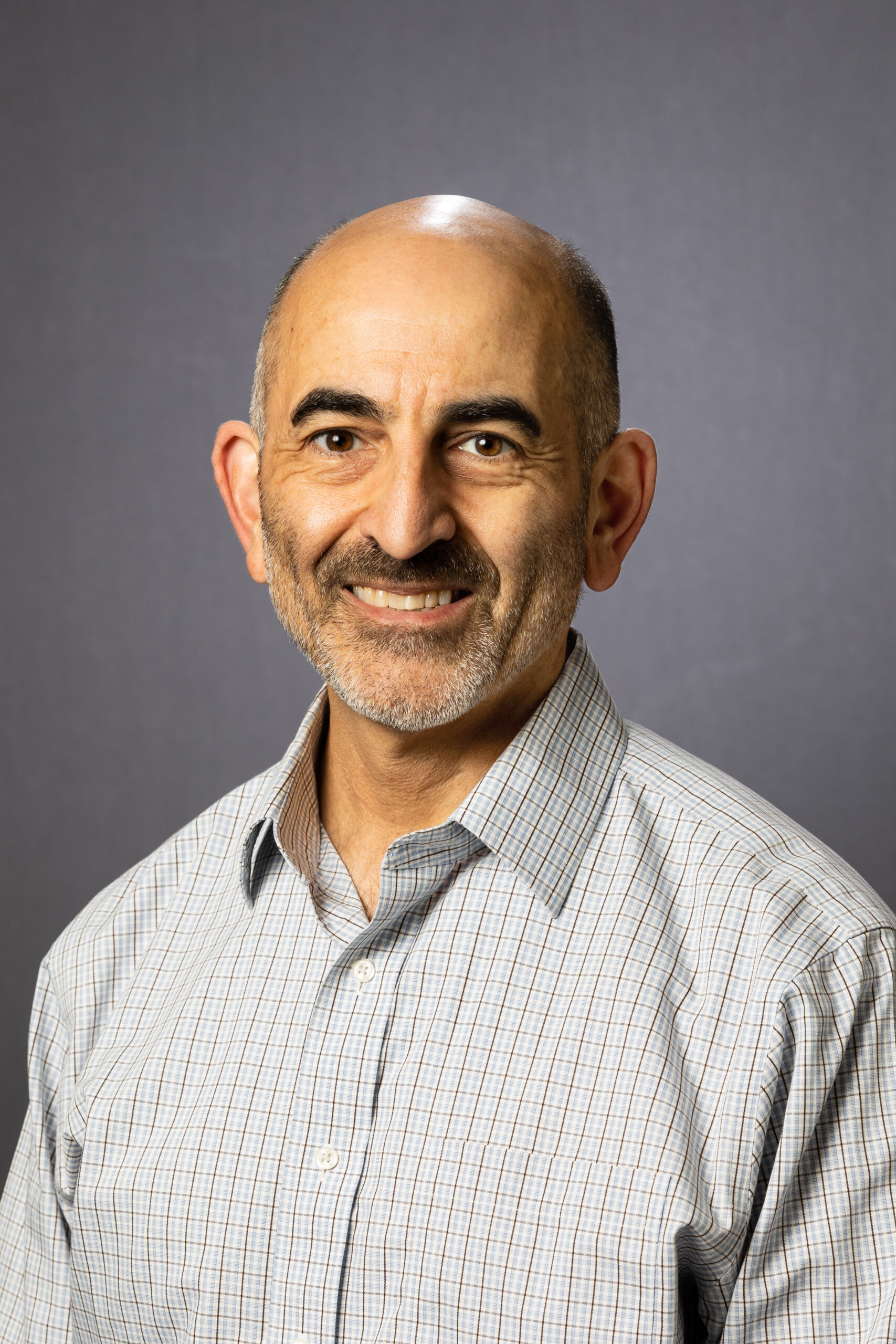
Jean Claude “JC” Jammal
Distinguished Mechanical Engineer, 2022
B.S., Mechanical Engineering, The University of Texas at Austin, 1988
JC earned a B.S. with honors in Mechanical Engineering from the University of Texas at Austin, specializing in Automotive Engineering, in 1988. During his tenure at UT, JC served first as Secretary, and then as President, of the Society of Automotive Engineers and spent countless hours neglecting his studies so he and a very dedicated team to hands-on engineers could hand build UT’s entries into the annual national competition. (Professor Ron Mathews’ support of this program must be acknowledged and honored here.) JC also spent engineering internships at GM in Flint Michigan, and IBM in Austin while pursuing his degree.
After school, the automotive industry was not doing well, so JC landed his first job with IBM as a printer engineer in Charlotte, NC. In less than a year, his career took a fast turn toward software, starting as a development consultant focused on Rapid Custom Software Delivery with IBM Consulting. After this brave step forward, JC had a progression of interesting software development roles in his 34-year career, providing him the opportunity to lead teams in bringing innovative capabilities to life for brands like Whole Foods, Amazon, Neiman Marcus, JC Penney, and Home Depot.
Most recently, JC joined The Home Depot as Vice President of Technology for the Online, Marketing, and Customer businesses. The technology capabilities that support these areas include the HomeDepot.com website (the fifth largest eCommerce site in the US) and mobile apps, proprietary Search, Recommendations, and Personalization platforms, Customer Data and Loyalty, Ad Tech and Monetization, Content Management and Publishing Tools, E-mail systems, and related aspects of Customer Care and Delivery and Pickup services.
Prior to The Home Depot, JC was Vice President of Online at Amazon and Whole Foods in Austin for six years, where he was responsible for Web and Mobile, Marketing, Delivery and Pickup, and Loyalty (Amazon Prime at Whole Foods) technologies. JC was also recently appointed as Head of Home Depot Technology’s Diversity, Equity, and Inclusion efforts, and is an avid advocate and ally for diversity and innovation in all aspects of life.
JC met his wife, Dee, at UT, and they have been happily married for 33 years. Their son, Julian, is an aspiring chef at Suerte in East Austin, and at 26 years of age, has the whole world in front of him.
Atul Kohli
Distinguished Mechanical Engineer, 2022
B.S., Mechanical Engineering, Indian Institute of Technology, 1989
M.S., Mechanical Engineering, The University of Texas at Austin, 1992
Ph.D., Mechanical Engineering, The University of Texas at Austin, 1996
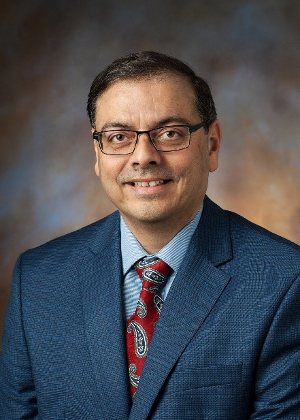
Dr. Atul Kohli is currently Senior Technical Fellow of Heat Transfer, Analytical Methods in the Aero-Thermal Fluids discipline at Pratt & Whitney (P&W). In his 25 years at Pratt & Whitney, Atul has held positions of increasing responsibility within Turbine Aerodynamics, Multi-Disciplinary Optimization, Turbine Durability and Aero-Thermal Systems disciplines. Atul impacts a broad range of life-limited engine components through improved modeling of cooling and heat transfer. He develops the proficiency of practitioners and standard work by advancing analytical methods and productivity through process improvements.
Atul has more than 30 refereed publications and 15 issued patents with over 30 pending. Atul serves as a Champion at P&W for the Asian American Leadership Forum. His outstanding technical accomplishments were recognized in 2009 with his election as a Fellow of the American Society of Mechanical Engineers (ASME). Dr. Kohli is well recognized for his professional service and leadership in the mechanical engineering community through ASME and associations with universities. He has served in numerous positions with the ASME, most notably as the Conference Chair of the ASME 2019 Turbo Expo Conference, which is the most widely attended conference in the gas turbine area with over 1,000 papers and more 2,000 attendees each year. He also currently serves as the Chair of the ASME K-14 Heat Transfer Committee. For this service and his service in many other ASME programs, Dr. Kohli received the prestigious ASME Distinguished Service Award in 2020.
Atul has a Bachelor’s degree in Mechanical Engineering from the Indian Institute of Technology and a Master’s and Ph.D. in Mechanical Engineering from the University of Texas at Austin.
Ronald Matthews
Mechanical Engineering Hall of Fame, 2022
B.S., Mechanical Engineering, The University of Texas at Austin, 1971
M.S., Mechanical Engineering, The University of California, Berkeley, 1972
Ph.D., Mechanical Engineering, The University of California, Berkeley, 1977
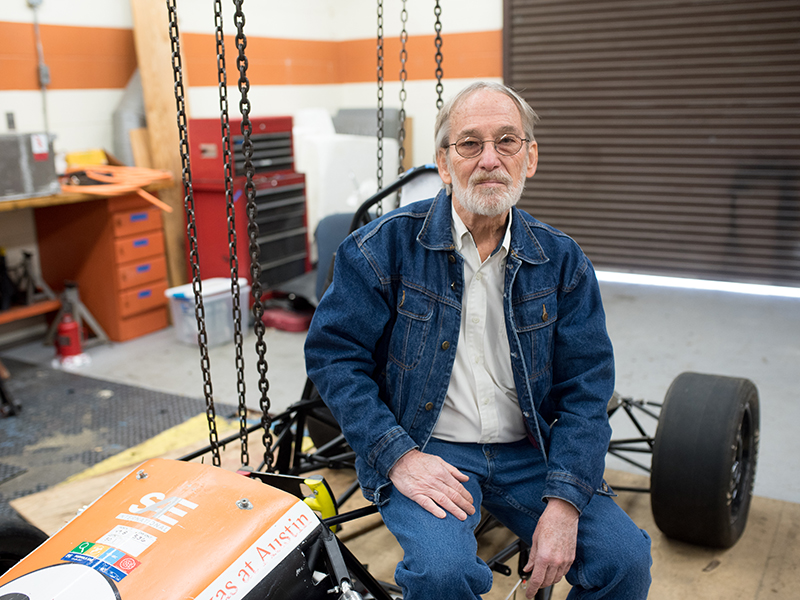
Ron Matthews got his BSME from The University of Texas at Austin followed by three graduate degrees from the University of California, Berkeley. He joined the mechanical engineering faculty at UT Austin in January 1980 and immediately founded the UT Austin student branch of the Society of Automotive Engineers (SAE).
The following academic year, he founded, named, and hosted what became the largest intercollegiate student engineering design competition in the world. “Formula SAE” now has more than 650 teams from 50 countries and competitions are held in Japan, Australia, Brazil, Italy, Austria, Germany, England, and two in the U.S. each year. Most notable among his research accomplishments was leading the team that discovered the reason that direct injection spark ignition engines could not meet U.S. emissions standards. These are the most fuel-efficient gasoline engines and are now installed in more than 55% of all light-duty vehicles produced in the U.S.
He has been very active in service to SAE-International, serving on numerous committees and boards, including serving on the Board of Directors from 2009-2011. He is a Fellow of the SAE and has won multiple awards from the SAE including the Arch T. Colwell Merit Award for his work on the first use of fractal geometry to model the combustion process within a spark ignition engine. UT Austin’s body of work on fractal engine modeling was selected for inclusion in the Smithsonian’s National Museum of American History Permanent Research Collection on Information, Technology, and Society. He also won the ASME Internal Combustion Engines Award. He has been a consultant to the National Academy of Sciences, Lockheed Missiles and Space Company, the National Institute of Standards and Technology, General Motors Corporation, Argonne National Laboratory, and many other government agencies and private companies, primarily in the engines area. He has served as an expert witness for the Office of the Attorney General of the State of Texas and for the U.S. Department of Justice. Most notably, he served as an expert witness for the U.S. Department of Justice (on behalf of the Environmental Protection Agency) versus Volkswagen (2015) and again versus Fiat Chrysler America (2019), in similar Diesel emissions treating scandals.
James Mikulak
Distinguished Mechanical Engineer, 2022
B.S., Mechanical Engineering, The University of Texas at Austin, 1988
M.S., Mechanical Engineering, The University of Texas at Austin, 2007
Ph.D., Material Science & Engineering, The University of Texas at Austin, 2011
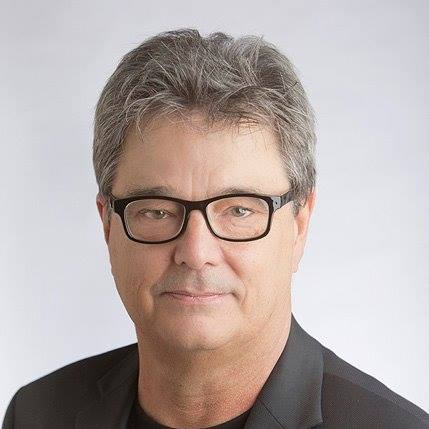
Dr. James Mikulak has lived in Austin for over 40 years, and has been involved in multiple startup companies. He is currently a Technical Director at Evonik Corp, a US subsidiary of Evonik Industries AG, a stock-listed German specialty chemicals company headquartered in Essen, North Rhine-Westphalia, Germany.
In 2012 he founded Structured Polymers Inc., an Austin Texas based company that developed a new patented manufacturing method to produce polymer powders for Powder Bed Fusion 3D Printers. The company was acquired by Evonik Corp in 2019, with Dr. Mikulak responsible for the integration of the company, the team, and the technical know-how into Evonik Corp while also overseeing the build-out and equipping a new 3D printing research and development facility in Southeast Austin, Texas.
From 2016-2019 James also held an adjunct position at The University of Texas at Austin where he developed and taught an online asynchronous Material Science course in the Option III Executive Master’s program in Mechanical Engineering Graduate Program.
Dr. Mikulak currently has ten issued US patents primarily in powder based and filament deposition 3D printing materials and methods. Prior to founding Structured Polymers, he worked, along with his partner Dr. Carl Deckard, the inventor of Selective Laser Sintering, as consultants directly with Scott Crump, the CEO of Stratasys Corp and inventor of Fused Deposition Modeling on the successful development of co-extruded semi-crystalline polymer filaments for extrusion based additive manufacturing methods
.
He received his PhD, in 2011 in Material Science and Engineering more than 20 years after his undergraduate degree, studying under the wise, professional and steady guidance of Dr. Desiderio Kovar. While studying he was a Graduate Teaching Assistant in the Mechanical Engineering Materials Labs teaching materials testing and processing to Mechanical Engineering students. During that time, he received several awards and fellowships; the University of Texas Advanced Manufacturing Center Academic Competitive Scholarship for 2005-06, the George J. Heuer, Jr. Ph.D. Endowed Graduate Fellowship 2007, the H. Grady Rylander Longhorn Mechanical Engineering Club Excellence in Teaching Endowed Fellowship 2009 and the Harris L. Marcus Endowed Graduate Fellowship in Materials Science and Engineering 2010.
James’s long involvement with Additive Manufacturing started when he was hired in 1990 first as a Mechanical Engineer, then as the Beta Design Team Coordinator at DTM Corporation, and was part of the team that designed and supported the first commercial Selective Laser Sintering Systems (SLS), the first of the Powder Bed Fusion 3D Printing technologies.
James started, and co-owned ESA Enterprise Inc, an engineering company specializing in computer-controlled testing and manufacturing equipment which expanded into a design/build engineering house with in house manual and CNC machining capability. He also co-founded a technology development company that developed hardware and software for real-time data collection and transaction processing for casino table game operations.
Additionally, he was part of the team that founded Metal Optics, to manufacture energy efficient lighting systems for commercial office and retail buildings, setting up a high-volume multi-shift CNC manufacturing operation to produce lighting fixtures and components. Metal Optics was acquired by Holophane of Newark, Ohio.
Columbia Mishra
Outstanding Young Mechanical Engineer, 2022
B.S., Mechanical Engineering, Jadavpur University, 2006
M.S., Mechanical Engineering, Texas Tech University, 2008
Ph.D., Mechanical Engineering, The University of Texas at Austin, 2016
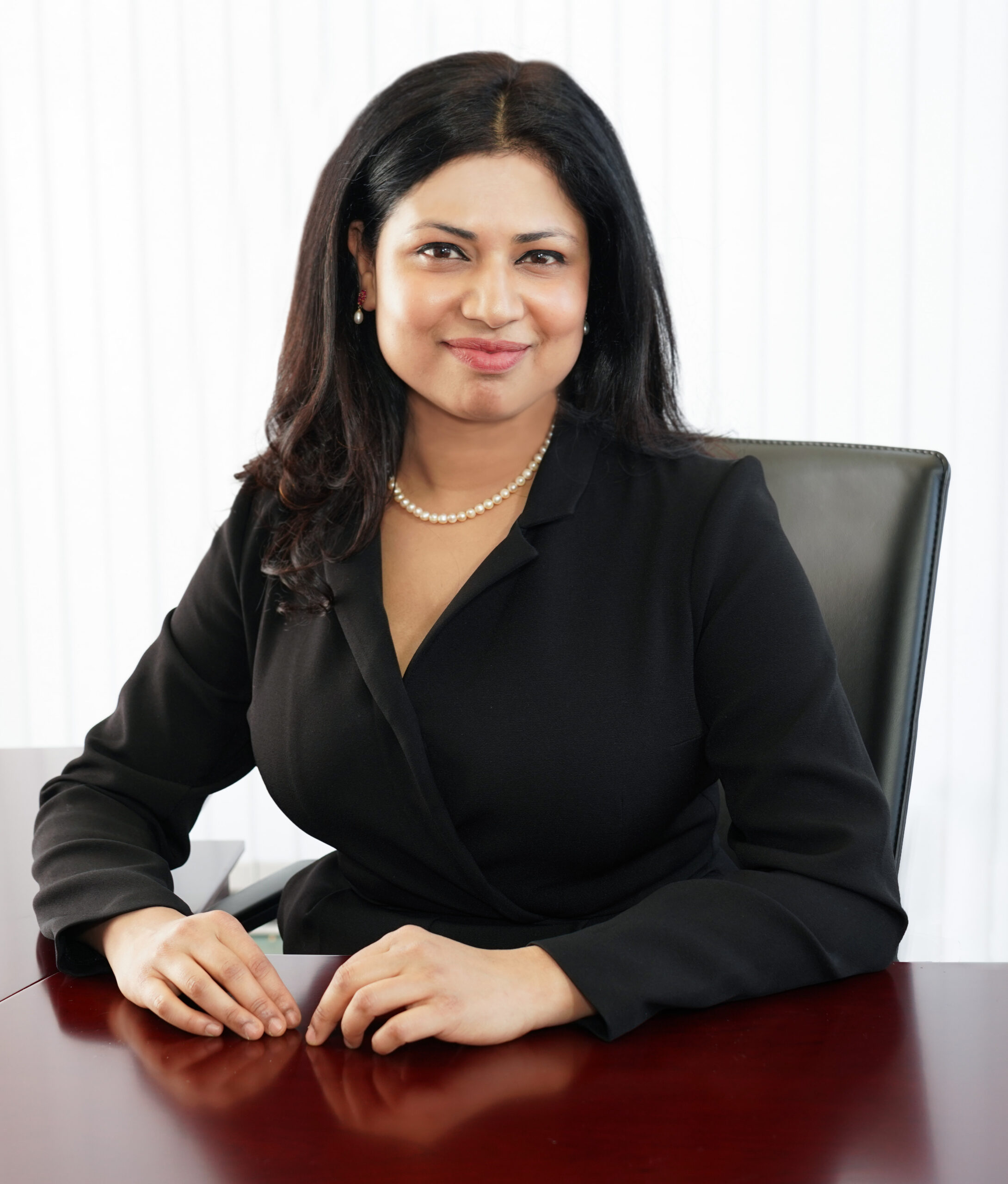
Dr. Columbia Mishra is a Lead Systems Engineer at Maxar Technologies developing the next generation of spacecrafts for a range of missions including proliferated Low Earth Orbit satellites. Columbia was born and raised in Malda – a small town in eastern India. She is the second of three children born to Minati and Jai Prakash Mishra. Her parents, avid space enthusiasts, named Columbia and her siblings Apollo and Challenger after US Space Programs. For them, these missions represented strides in humanity’s quest to understand and explore the unknown. Columbia grew up increasingly enthralled by space and was deeply inspired by her role model, late astronaut Kalpana Chawla. The heroic pursuits of Kalpana, the first Indian woman in space, fueled Columbia’s passion to pursue a career as an astronaut. Columbia knew she needed to grow wings to fly and take on adventures beyond her hometown. Her educational pursuits took young Columbia on a journey across the globe – learning not just theorems and principles, but finding stories, cultures, and most importantly, building lifelong relationships.
After finishing secondary education from The St. Xavier’s School of Malda and Salt Lake School in Kolkata, Columbia attended Jadavpur University (JU), Kolkata, India, studying Mechanical Engineering. During her time at JU, she gained engineering experience at Tata Motors and researched fluid mechanics at Jawaharlal Nehru Center for Advanced Scientific Research. A new decade in life and strengthened conviction to experience newer spaces brought Columbia to the United States of America. Columbia received her Master’s in Mechanical Engineering from Texas Tech University, Lubbock publishing her thesis on microfluidics. Columbia traveled to Juarez, Mexico with her team from Engineers Without Borders to implement a renewable energy source to improve the quality of life for elderly residents. After her Master’s, Columbia worked at Makino Asia, Singapore in research and development. While away, she missed her adopted home in the USA, and chose to move back to Texas to work for Stress Engineering Services in Houston. During this period, a chance meeting with the then Director of Johnson Space Center reignited her passion to follow her dreams to pursue research and become an astronaut. Columbia joined the doctoral program in Mechanical Engineering at The University of Texas at Austin to specialize in Thermal Fluid Systems. She was supervised by Dr. Jayathi Murthy, an inspiring role model and mentor. Columbia researched on graphene and nanoscale thermal transport and her dissertation was on volume average phonon Boltzmann Equation for simulation of heat transport in composites. Her research won her the prestigious Qualcomm Innovation Fellowship. In addition to research and teaching, Columbia had the opportunity to develop the first Signature Entrepreneurship course with Prof. Michael Webber and work in consumer electronics at Apple, California. During her Ph.D., Columbia was very involved with the UT Austin community and served as the President of the Graduate Engineering Council for two terms and was the first international student to be elected as the President of the Graduate Student Assembly. Columbia received the Cockrell School of Engineering Student Leadership Award for her contributions in advocating for over 13,000 students to the university administration, UT System Board of Regents, City of Austin, and Texas Legislature.
With her newly earned doctorate, Columbia joined Intel’s much coveted Technology Manufacturing Group in Hillsboro, Oregon. She worked on computational photolithography developing Intel’s next generation process nodes and then on thermal mechanical systems engineering with the Client Computing Group. At Intel Columbia led several working groups and task forces bringing innovation to client products for the Intel roadmap. As the Chair of the Technology Development Working Group, Columbia led the innovation process for an interdisciplinary team of 60 talented engineers with a project portfolio focused on market readiness. While at Intel, Columbia authored 12 Invention Disclosures and 5 patents in thermal architecture and innovation in electronic systems. When the entire world came to a halt in 2020, Columbia re-evaluated her life goals and decided to switch industries to follow her dreams in the space industry. What was not possible as an immigrant on student and work visas, was finally an option for her as a permanent resident in the United States. Columbia joined Maxar Technologies – a renowned space technology company, as a Thermal Lead working on the Power Propulsion Element spacecraft as a part of the Lunar Gateway for NASA’s Artemis Mission to the Moon. The Artemis mission aims to land the first woman and next man on the Moon and establish a permanent human presence in Lunar orbit. Columbia is now leading development of the next generation of spacecrafts for a range of missions. Her current work impacts the future of space exploration and is a career that was only a dream of a much younger Columbia.
Columbia cherishes the impact role models have had in shaping her career and strives to inspire the next generation at every opportunity. Hoping to spark a passion for the sciences, and for exploration, Columbia has mentored global members of the K-12 community including several cohorts of first-generation students, and early career engineers, especially women. Columbia is a distinguished speaker and has spoken globally at multiple forums communicating the science and technology of spacecraft engineering and sharing her own story and career choices. She serves as the Industry Advisor to the Carnegie Mellon University Rocket Club and supports the Maxar community as a member of the Maxar Space Women’s Network Leadership Team. Columbia is highly involved with the technical community and served on the CTO Technology Advisory Council of the Society for the Advancement of Material and Process Engineering (SAMPE). Columbia remains an active member of the American Society of Mechanical Engineers (ASME) where she advises on the Technical and Engineering Communities Board overseeing 36 technical divisions, having previously served as Technical Program Chair for the 2020 Summer Heat Transfer Conference (SHTC). She advocates for technologies policies to the U.S. Congress and was one of ten engineers from across the globe to be selected for ASME’s prestigious Early Career Leadership Program to Serve Engineering (ECLIPSE). Columbia was awarded the inaugural ASME 2020 Lakshmi Singh Early Career Leadership Award for her leadership and service.
Her parents had christened her with a name fit to take on any adventure on earth and in space. Columbia lives up to her name with zest for life and a passion to explore the unknown. Columbia enjoys training as a private pilot to fly small planes and while on ground takes on the fashion runway as a woman in science. She holds the sought-after titles of Miss India Oregon 2019 and Miss Asia California Global 2020. She uses her platform in the pageant industry to raise awareness about social issues including diversity and representation of women in STEM. Columbia with her partner, Dr. Philip Gach, has built a cozy nest in the heart of Silicon Valley, but seizes every opportunity to spread her wings and fly around the globe.
William Oberkampf
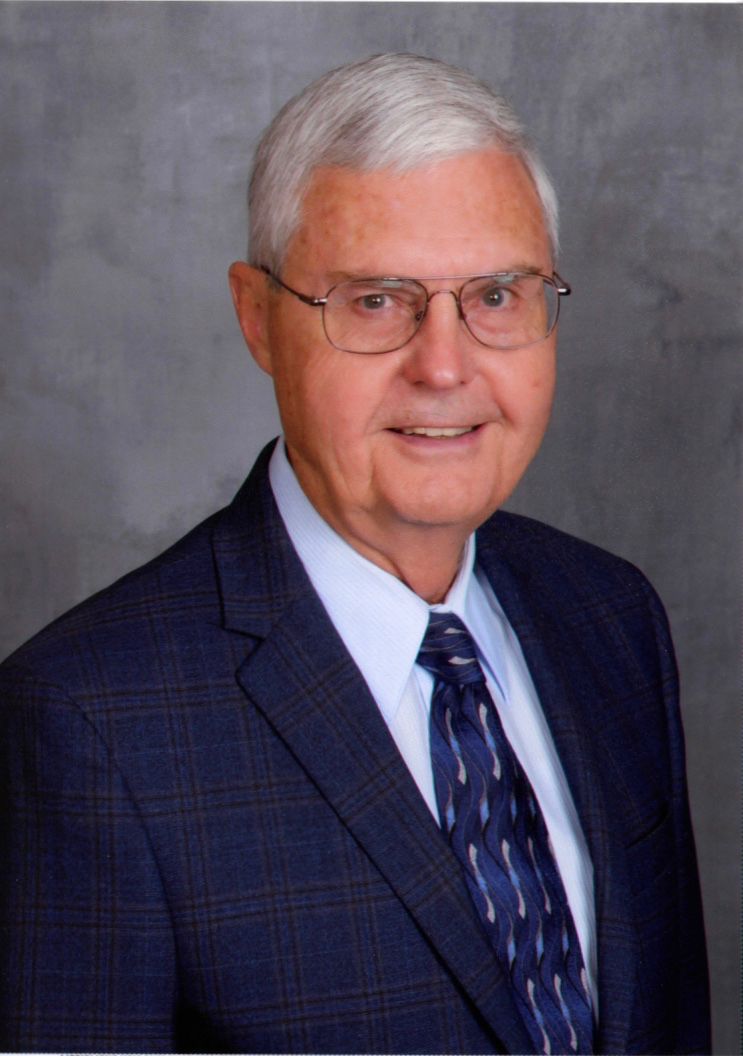
Mechanical Engineering Hall of Fame, 2022
B.S., Aerospace Engineering, The University of Notre Dame, 1966
M.S., Mechanical Engineering, The University of Texas at Austin, 1968
Ph.D., Aerospace Engineering, The University of Notre Dame, 1970
Dr. William Oberkampf, Engineering Consultant, has 52 years of experience in research and development in fluid dynamics, heat transfer, flight dynamics, solid mechanics, and modeling and simulation. He spent his entire career in both computational and experimental research and development. During the last 25 years, Dr. Oberkampf emphasized research and establishment of procedures in model verification, validation, and uncertainty quantification in computational simulation. He has written over 185 journal articles, book chapters, conference papers, and technical reports, as well as given 13 invited conference plenary lectures. He has taught 62 short courses in the field of model verification, validation, and uncertainty quantification in computational simulation.
Dr. Oberkampf received his B.S. in Aerospace Engineering from the University of Notre Dame, his M.S. in Mechanical Engineering from the University of Texas at Austin, and his Ph.D. in Aerospace Engineering from the University of Notre Dame. Dr. Oberkampf served on the faculty of the Mechanical Engineering Department at the University of Texas at Austin from 1970 to 1979. From 1979 until 2007 he held various positions at Sandia National Laboratories in both staff and management positions. After leaving Sandia, he and Prof. Chris Roy completed their book “Verification and Validation in Scientific Computing” published by Cambridge University Press in 2010. Also during this time he has been a consultant to the National Aeronautics and Space Administration, the U.S. Air Force, various Department of Energy laboratories, and corporations in the U.S. and Europe.
He has been a member of American Institute of Aeronautics and Astronautics since 1963 and a member of the American Society of Mechanical Engineers since 1973. He has served on the AIAA Publications Committee, Atmospheric Flight Dynamics Technical Committee, Fluid Dynamics Technical Committee, Computational Fluid Dynamics Committee on Standards, and three conference organizing committees. He is co-founder and has served on the ASME Codes and Standards Committee for Verification, Validation, and Uncertainty Quantification in Computational Solid Mechanics. He is a Fellow of the AIAA and a Fellow of the International Association for Engineering Modeling, Analysis and Simulation (NAFEMS).
Nannette Wright
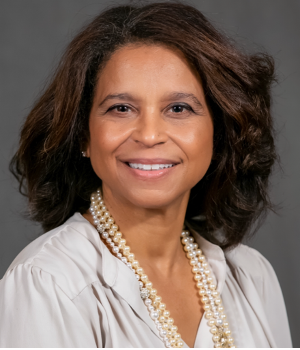
Distinguished Mechanical Engineer, 2022
B.S., Environmental Health, Purdue University, 1988
M.S., Health Physics, Purdue University, 1990
Ph.D., Mechanical Engineering (Nuclear), The University of Texas at Austin, 2000
Dr. Nannette Wright is Senior Director, Program Management for Electro Optical Sensors L3Harris Technologies. Dr. Wright joined the company in May of 2022 to manage the Passive Sensor Portfolio which includes SPEIR, Canadian Surface Combatant (CSC), and a cross sector Electro Optical IRAD project focused on advancing EO technology. Nannette is accountable for all aspects of the portfolio, including development, financial, technical, production, and contractual compliance. Nannette reports to the President, Electro Optical Sector, Integrated Mission Systems.
Before joining L3Harris, Dr. Wright was Director of Strategic Initiatives Program Management Excellence at Raytheon Technologies. In this role, she drove integrated risk and opportunity management during program start-up. Nannette was also a change agent for strengthening risk and opportunity management practices throughout the program life-cycle and she accomplished this through a strong partnership with functional organizations. Dr. Wright supported the Advanced Technology mission area by incorporating best program management practices and tailoring them as appropriate to ensure rapid innovation and growth.
Prior to joining Raytheon Technologies, Nannette spent 17 years with Lockheed Martin in a variety of roles of increasing responsibility, including conducting in -depth technical audits of programs to identify risks, opportunities and help develop return to green plans, or share best practices across the corporation. Prior to this role, Dr. Wright was the Technical Director responsible for the development, testing, and deployment of Aegis Missile Defense models, stimulators, and simulators. Nannette was a Program Manager for Coast Guard and Homeland Security Programs and she started her career at Lockheed Martin as a project manager on AEGIS C4ISR IRAD projects.
Nannette’s early career was spent working for a Department of Energy contractor as a program scientist at Pantex, the final assembly and disassembly point for all nuclear weapons in the US Stockpile.
Nannette served as the Chair for the State of New Jersey Educational Opportunity Fund from 2014-2018, served on the Board of Directors for Urban Promise and New Jersey Million Women Mentors, and DEI Advisory Committee for the Acton Boxborough Regional High School. Dr. Wright is also a proud member of Women in Defense.
Dr. Wright has a PhD in Mechanical Engineering (Nuclear) from the University of Texas and Master of Science and Bachelor of Science in Health Physics from Purdue University.
L3Harris Technologies is an agile global aerospace and defense technology innovator, delivering end-to-end solutions that meet customers’ mission-critical needs. The company provides advanced defense and commercial technologies across space, air, land, sea and cyber domains. L3Harris has more than $17 billion in annual revenue and 47,000 employees, with customers in more than 100 countries. L3Harris.com.